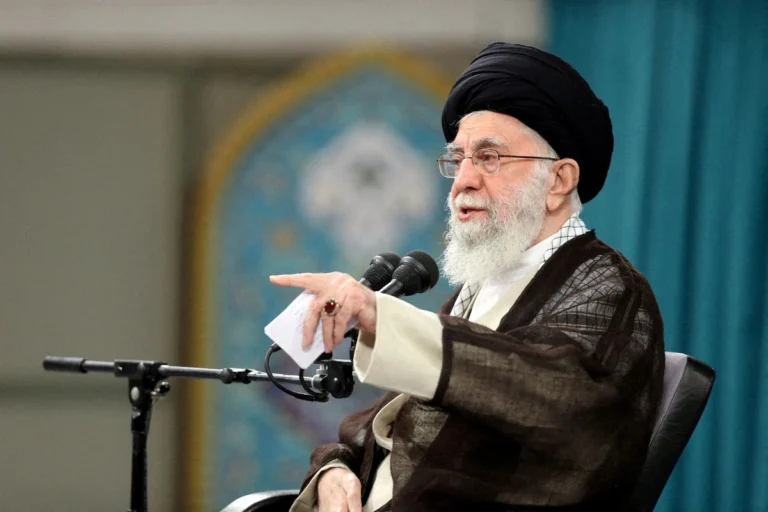
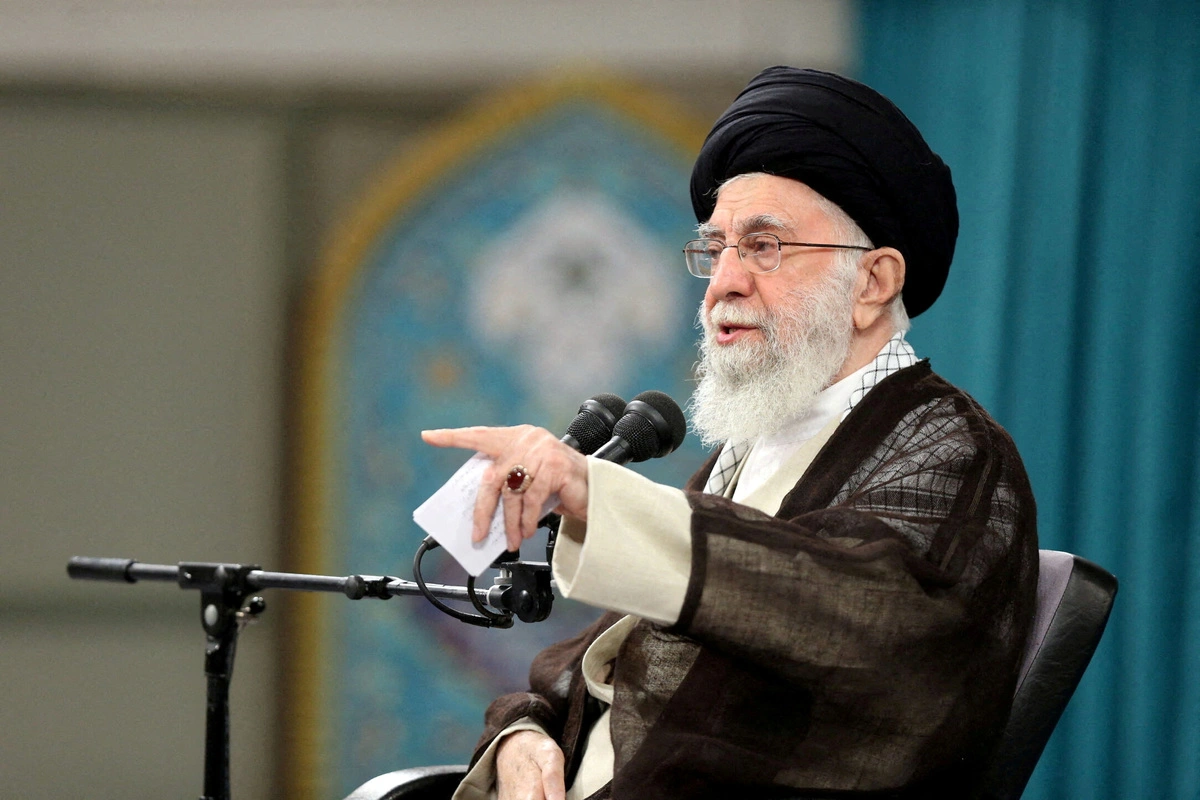
March 1st, 2026: Ayatollah Ali Khamenei is dead. Iranian state media confirms and mourning for 40 days declared. The news was made by the Iranian state television that Supreme Leader Ali Khamenei had passed away, and announced an official mourning 40 days countrywide. This is one of the most significant events in the history of the Islamic Republic of Iran.
The news comes after days of high tension in the region and duplicating news concerning the situation of the most influential political and religious establishment in Iran. The death of Ayatollah Ali Khamenei and the 40-day national mourning now officially proclaimed, Iran is not only going through a phase of grieving people together but also a significant political transformation.
Official Declaration Of The Ayatollah Ali Khamenei Death And 40-Day National Mourning
The state televangelist in Iran said on Sunday that Ayatollah Ali Khamenei died at the age of 86. The network named the development as a great loss to the nation and declared:
- 40 days of national mourning
- Government offices closed down for a few days.
- Memorial meetings across the country.
The Ayatollah Ali Khamenei death and the 40-day national mourning has provoked the state-organized rallies in the major cities such as Tehran, Mashhad, Qom and Isfahan. Black flags were hoisted on top of buildings and religious establishments started praying in his honour. The statement of mourning 40 days is not new as Islamic tradition has always been worshiping the 40th day after death.
Timeline Of Events
February 28, 2026 and Increasing Escalation in the Region.
Large-scale military strikes in and around Tehran were reported as the tension escalated in the region. The U.S and Israeli officials mentioned by the international media implied that these attacks targeted high-ranking Iranian officials. There were soon speculations that the Supreme Leader Ali Khamenei might be the victim.
Late February 28 -Mixed Reports Spread.
Although the foreign officials stated that Khamenei was killed, Iranian officials at first did not confirm the news. The unconfirmed statements were made through social media and foreign media outlets, yet Tehran did not respond. This time of speculation increased international criticism.
March 1, 2026 – State Television Confirms the demise.
Sunday morning, Ayatollah Ali Khamenei’s death and 40-day national mourning were officially confirmed on Iranian state TV. The television program featured Quranic prayers and historical recordings of Khamenei and leadership events and statements over the decades. The confirmation put the Iranians into official mourning and the hours of speculation were over.
Who Was Ali Khamenei?
Ruhollah Khomeini passed away in 1989 and Ayatollah Ali Khamenei assumed the position of the Supreme Leader of Iran. Khamenei as Supreme Leader had the final power over:
- The armed forces
- The judiciary
- State broadcasting
- Key political appointments
Over the course of more than thirty years, Khamenei influenced the domestic policy of Iran, its international stance and course in the region. During his tenure, Iran was able to expand its influence in the region with the help of sanctions, diplomatic talks, and internal politics.
Iranian Response Nationally
After Ayatollah Ali Khamenei death and 40 days of national mourning:
- Clergy urged people to be united.
- Even memorials in the great squares started to appear.
- The flags in state institutions were brought down to half-staff.
- Cases were put on high alert.
In Tehran, people crowded in front of major mosques and tributes were aired by the state media saying that Khamenei was a firm supporter of the sovereignty of Iran.
Regional And Global Ramifications
There is an immediate geopolitical impact of Ayatollah Ali Khamenei death and 40 days of national mourning. Analysts suggest that:
- Regional alliances can be re-defined.
- The current tension between the United States and Israel may escalate.
- During the process of mourning, diplomatic channels can be put on hold.
The Assembly of Experts, which is a constitutional institution mandated to choose the Supreme Leader, will now be in the center stage of deciding who will be the next Iranian Leader. The process of transition may have a drastic effect on the domestic stability of the country and its foreign policy.
The Iranian constitution consists of a systematic system of succession. The 40 days of mourning of the country is supposed to see the top clerics and political leaders meeting to discuss the new leader.
The Ayatollah Ali Khamenei funeral and 40 days of national mourning is not merely a religious and symbolic occasion; it is a paradigm shift that can possibly change the course of political history in Iran during the next several decades. As Iran declares its 40 days of remembrance, the world awaits with great interest how the region would manage to manoeuvre through this historic shift as one of the most influential countries in the Middle East.
Also read: US–Israel–GCC–UAE Conflict LIVE Updates | Times of Dubai