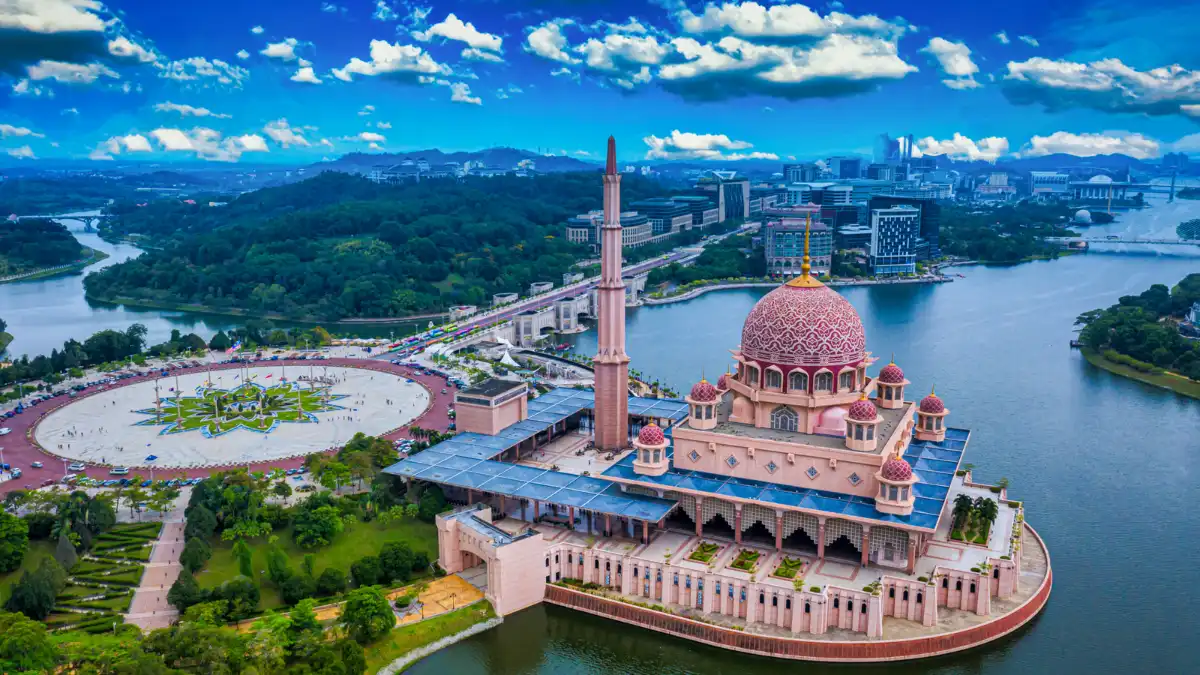
Malaysia is the country with the highest rank in the list of the most Muslim-friendly destinations for 11 years in a row. That consistency is actually more surprising than the ranking. Amongst all the countries, Malaysia scored highest at 83. It has remained the top scorer for eleven consecutive years since GMTI 2026. The competition is a lot more tighter behind it.
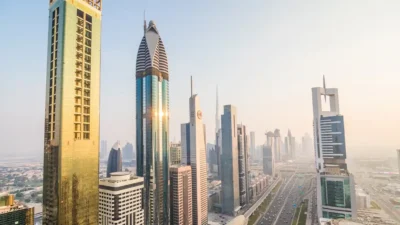
The United Arab Emirates came in sixth place with a score of 75. This reflects the strength of the country in terms of halal tourism and services and destination marketing that are conducive to Muslims. The ranking is based on the 11th edition of the Global Muslim Travel Index. GMTI is a report by Mastercard and CrescentRating released on July 6, 2026. It evaluated 150 destinations accounting for over 98 per cent of all Muslims travelling to the world.
Related Stories
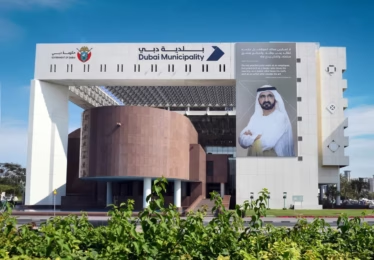
Who Ranked Above UAE in Muslim-Friendly Destinations?
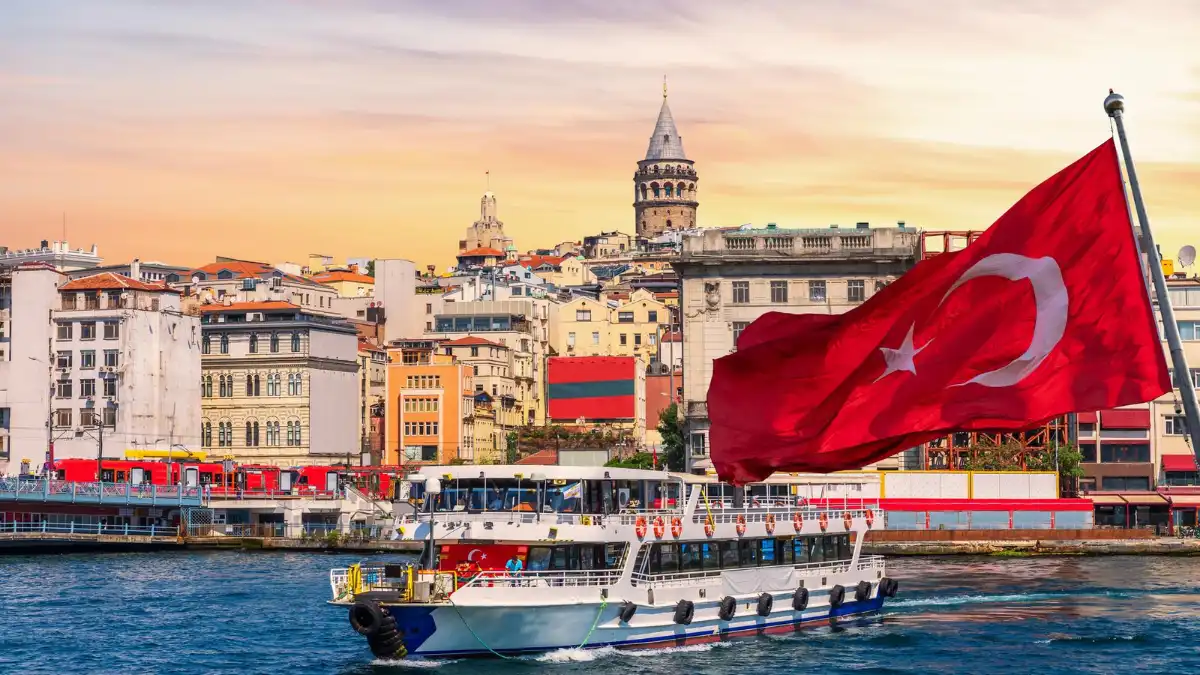
Malaysia leads the list of top five countries above the UAE in GMTI 2026 with a score of 69. It’s followed by Indonesia in second place with a score of 66 and Saudi Arabia second with 79. Moreover, Türkiye is fourth and Qatar is fifth with a score of 65 and 76 respectively. The UAE scored 75 and placed sixth, while Bahrain ranked seventh with a score of 74.
The UAE’s immediate neighbours in the ranking are all either Gulf nations or well-established large Muslim-majority tourism behemoths with decades of experience. However, it’s a significant achievement to be in 6th place in that company.
What the UAE Scored Perfectly On
The GMTI evaluates destinations across the Access, Communications, Environment and Services framework, known as ACES. The UAE scored a perfect 100 in the availability of halal dining and prayer places. That is the single most concrete data point in the ranking.
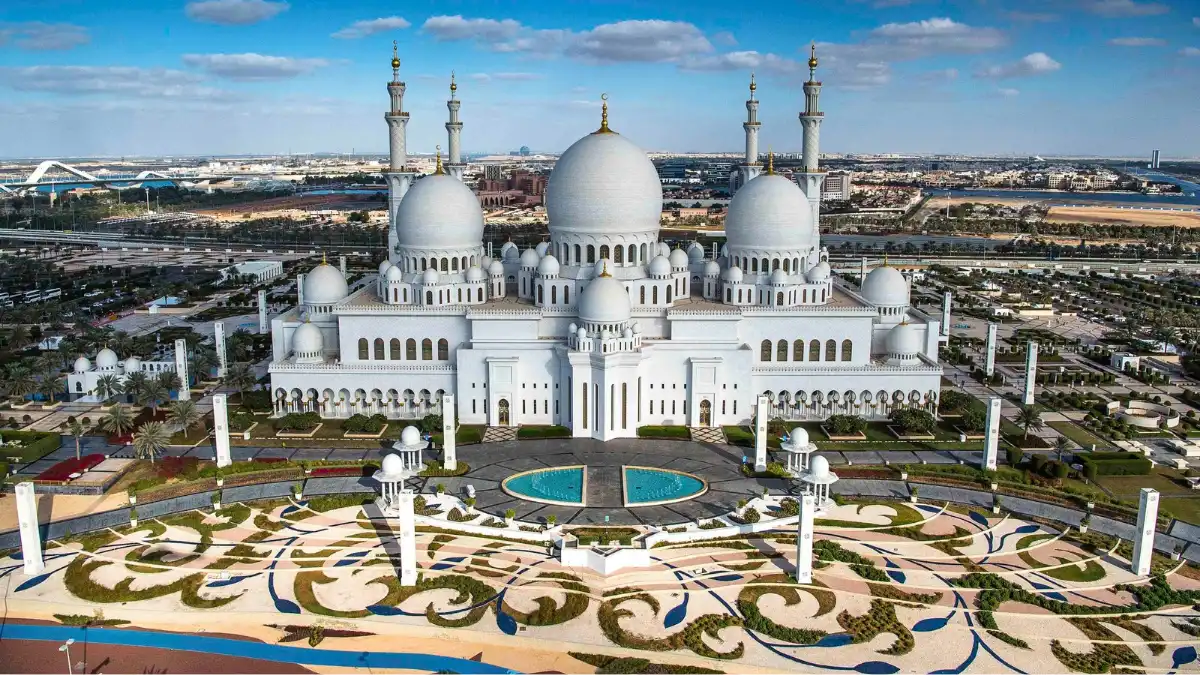
Being able to eat halal food and pray is the two most essential things a Muslim traveller needs on any trip. The UAE is performing extremely well at both ends of the scale. Many of the results are attributable to the high density of mosques throughout all seven emirates. Virtually everyone can find halal food in every restaurant category. Prayer rooms in airports, malls, office buildings and public places are also accessible. This is not something that most countries with non-Muslim majority can match.
It comes as no surprise that the UAE is one of the most accessible countries. Because, the quality of connectivity both by land and air, top-notch airports and hassle-free visa policies make travelling easy.
Furthermore, UAE has emerged as one of the world’s leading tourist service providers in terms of multilingualism of the frontline staff, comprehensive travel guides, a user-friendly signage in the transport system. It also has a dedicated tourist service websites to make it accessible for the visitors and more culturally safe travel experience.
Why the Timing Matters
The Muslim-friendly destinations ranking comes on an unprecedented timeline. The travel demand of the Muslim population has proven to be strong despite the current uncertainty in the world. Yet there are some travel preferences that are changing. Higher fuel prices, geopolitical uncertainty, and airspace closures and security concerns are driving an increase in people avoiding flights to more stable and nearby locations.
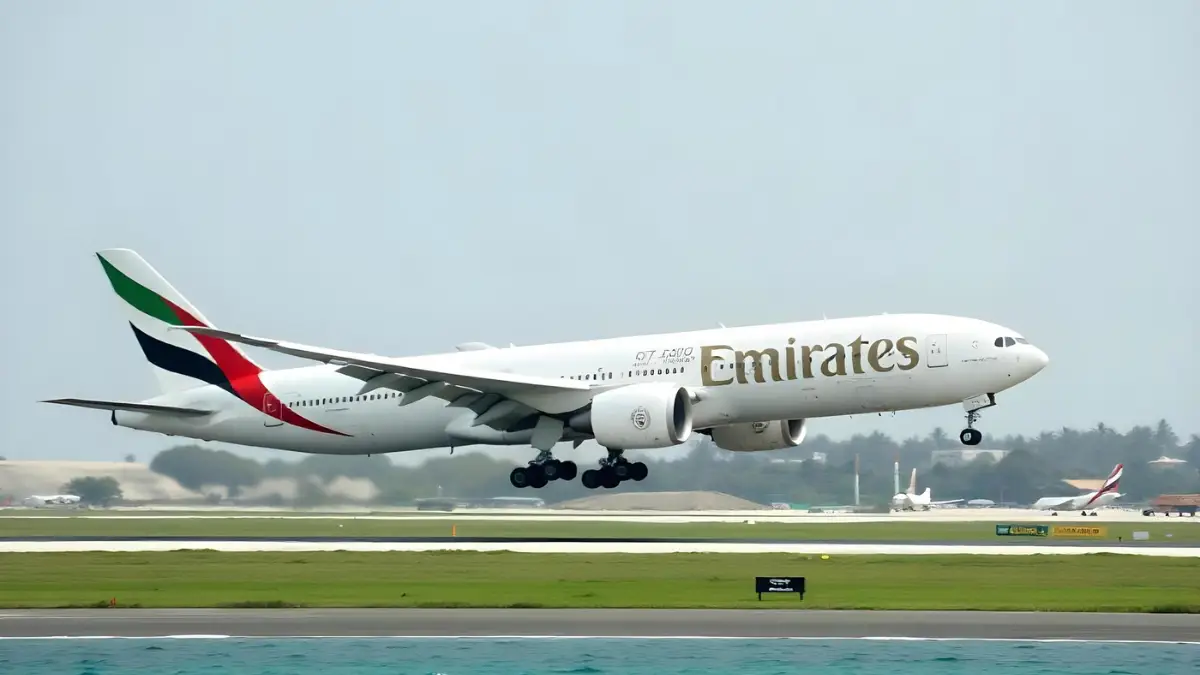
GMTI 2026 sees this as a transition towards home to continent travel, in which travellers tweak rather than cancel their journeys entirely. This change positively impacts the UAE. It is located at the heart of the Muslim world. Moreover, with a 4-6 hours flying time from most of the world’s Muslim population and given its connectivity infrastructure, it has much fewer transits than longer journeys would require.
The AI Angle No One Expected
One of the more striking findings in GMTI 2026 is not about prayer rooms or halal certification. It is about algorithms.
The data from GMTI 2026 shows that 80 percent of travellers in the world now utilize AI tools for travel. This marks a big change in their travel discovery, assessment and planning processes. Now, AI-driven platforms are also able to navigate travellers to food that is halal, prayer area, transport options and to provide personalised recommendations.
But, the report has an immediate warning: Muslim-friendly destinations that do not digitise their offerings will be left out of AI-powered recommendation systems, even if their physical infrastructure is good.
The UAE has invested heavily in building smart city infrastructure, digital tourists sites and e-visa systems, and AI-powered transport networks, making it ideal for this transition. But the UAE cannot simply bank its current number of mosques and the number of halal restaurants if it wants to remain in sixth place in a sector actively undergoing digitalization. So it requires those services to be machine readable, online discoverable and verifiable.

The Market Behind the Muslim-Friendly Destinations Ranking
In 2026, there will be an estimated USD 310 billion spent by international Muslim visitors. This will total to 208 million visitors, more than 196 million in 2025. The number is estimated to rise to 262 million by 2030. It is a market for which the UAE is bidding and an achievement to be recognised, as well as a benchmark for the future.
Read More: Alserkal Avenue: Dubai’s Creative Heart Inside the Warehouse