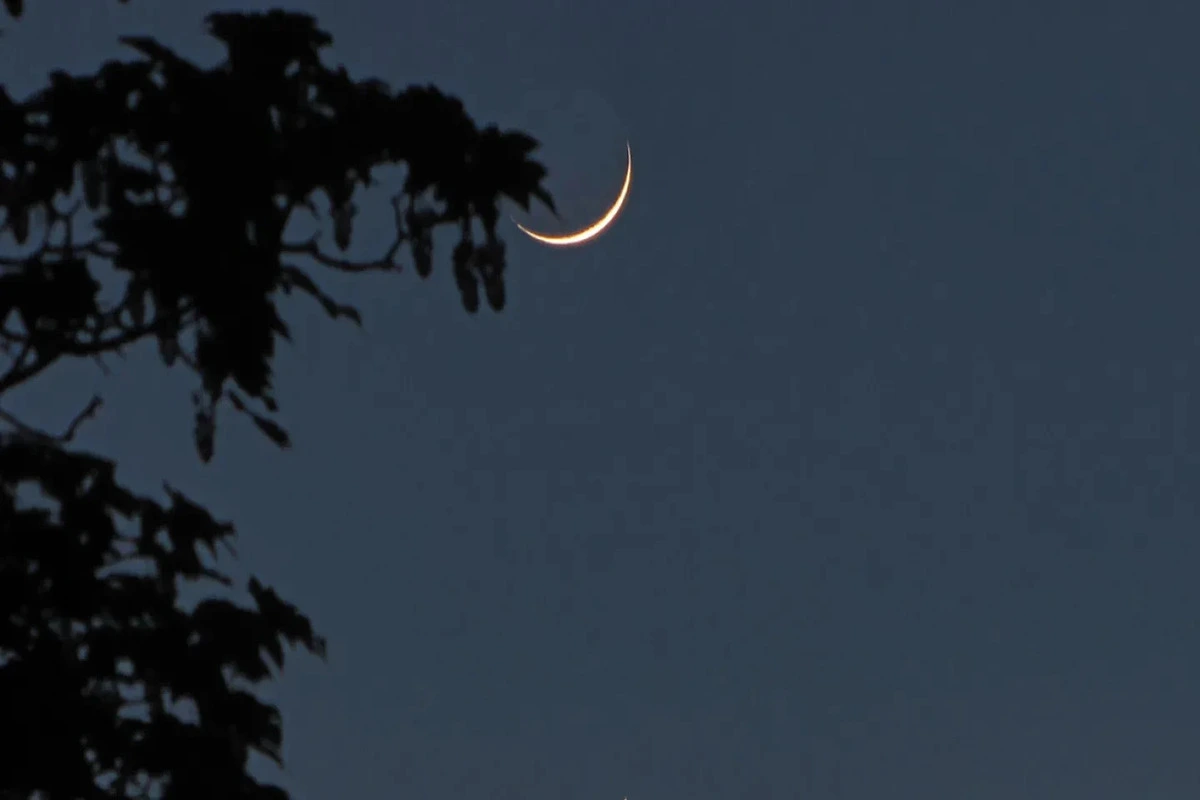
UAE February 16th, 2026: The astronomers in the United Arab Emirates have already been able to verify the crescent sighting that signifies the end of the Islamic month of Shaaban and predetermines the next holy month of Ramadan. The sight of the Shaaban crescent in the skies on February 17th, 2026 especially in Abu Dhabi has given the scholars and officials the astronomical foundation to formally close Shaaban and gear up the moon-sighting mission to Ramadan.
The Shaaban crescent was photographed with both a mixture of advanced astronomic imaging and the old ways of seeing, which strengthens the need of the crescent in relation to the development of the lunar calendar in the area.
The Islamic Months Calculation With Crescent Sighting
The onset and the conclusion of Hijri calendar months, including Ramadan, are customarily fixed by the hilal in the UAE, and in most Muslim-majority countries. The 29th day of every month the official moon-sighting committees meet to seek the new crescent of the moon. Whenever a crescent is observed, the new month starts the next day; otherwise the last month is finished within 30 days.
This heavenly sight is not merely astronomical but it has a rich religious meaning where millions of Muslims will use it to determine important celebration, fasting, and prayer dates.
Expected Time Of The Crescent Sighting
After observation of the Shaaban crescent which indicated the end of Shaaban, the official moon-sighting committees of the UAE are looking forward to the night of crescent sighting of Ramadan. The committee will be seated on a Tuesday evening, February 17, to determine whether or not it has obeyed Ramadan. However, scientific calculations indicate the crescent will be invisible that night due to the proximity of the moon to the sun and the estimated start of Ramadan will be Thursday, February 19, 2026 assuming that the moon will not be seen on the 17 th day.
The commencement of the Ramadan depends on this crescent sighting procedure and once the Ramadan crescent is announced, the UAE will celebrate the first day of the fast and the religious festival.

The Value Of Crescent Sighting In The UAE
The phenomenon of crescent sighting is not just a ritual, it unites communities to centuries of tradition in the observance of Ramadan to be both accurate and cultural in origin. The sighting does not only define the commencement of fasting, it also influences the planning of the population, such as the working hours, school schedules and communal gatherings.
With the upcoming months of Ramadan, the UAE is set to enjoy a holy time of reflection, family-time, charity and prayer set in motion by the religious following of the celestial crescent which leads to the manifestation of the lunar calendar.
The Science And The Tradition Of Crescent Sighting
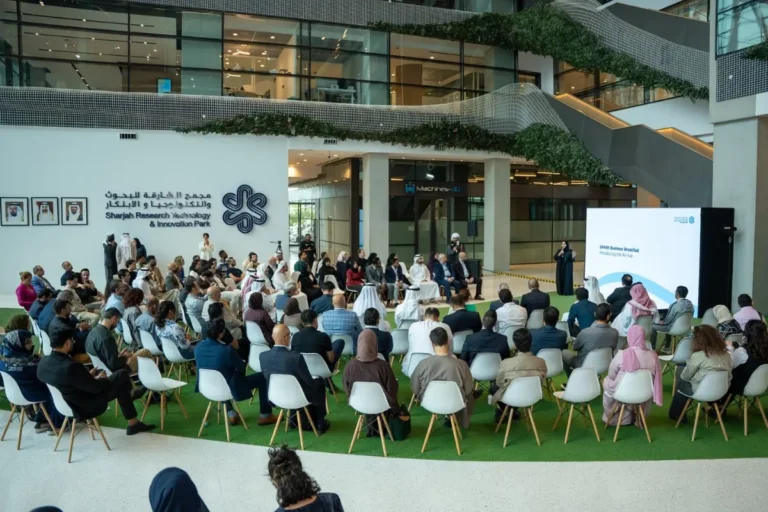
The UAE combines scientific accuracy with Islamic centuries old tradition as regard to crescent sighting. Observatories are observatories that have high-resolution imaging systems that are used by astronomers to monitor lunar movement. Meanwhile, religious scholars use verified eyewitnesses in the country. This two-fold strategy imparts accuracy as well as the Islamic jurisprudence. The sighting of the crescent has been historically a gathering event with families being brought together as families come together to hear announcements and get ready to celebrate the holy month.
In other emirates such as Abu Dhabi, skywatching has been important with the organizing of the observations to show the significance of tracking the moon. The process supports the dedication of the UAE to the heritage and the adoption of new technology.
Preparations Being Made Nationwide
As the crescent sighting is an indication of the end of Shaaban, preparations are fast gaining pace around the nation. Supermarkets are stocked with Ramadan necessities, charitable groups are organizing food delivery rallies, and mosques are organizing Taraweeh prayers. The government officials should also be known to declare new working hours of both the public and the private sector employees when the crescent sighting indicates the beginning of Ramadan. Educational institutions, offices and companies alter their timetable to fit in fasting and prayer practices.
Hotels and restaurants are working on iftar and suhoor programmes and the community organisations are planning charitable events. The impact of the sighting of the crescent does not stop at the religious realm only, this phenomenon determines the tempo of everyday life in the UAE.