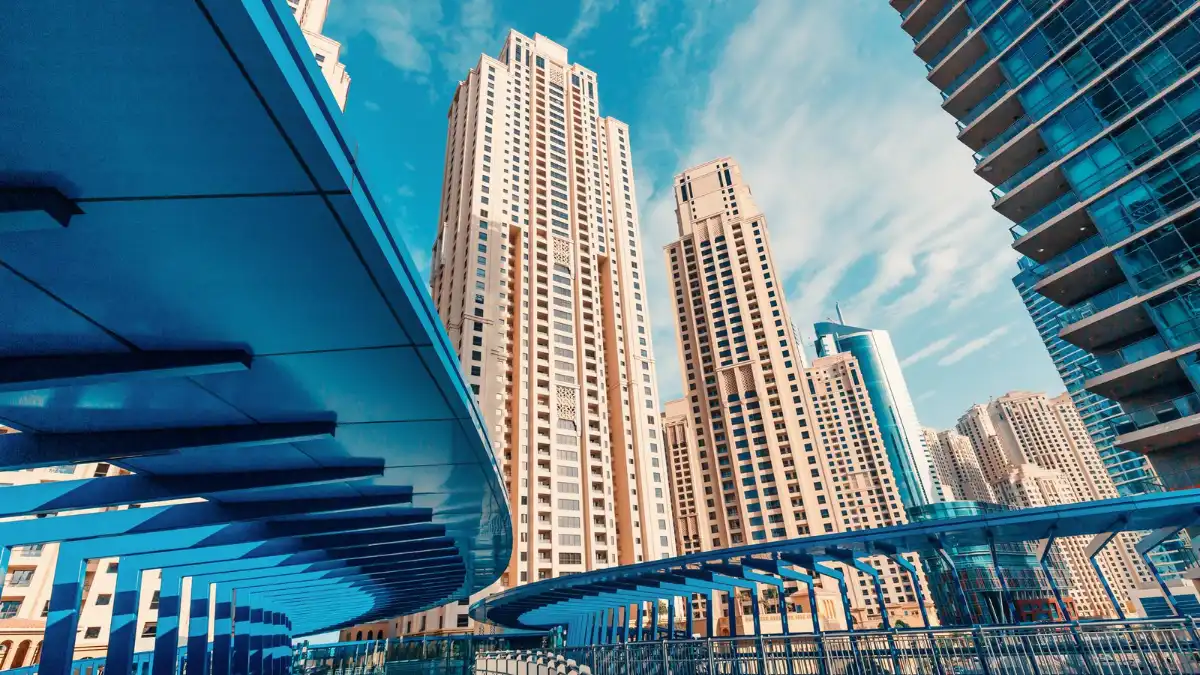
Dubai’s skyline changes every year. New towers appear. New communities take shape. Developers announce new masterplans. However, if you look closely at the real estate development projects coming out of Dubai in 2026, a clearer story emerges. This is not just a city building more. It is a city building strategically, for specific groups of people. It’s with specific picture of what Dubai should look like a decade from now.
The numbers are significant. The value of new and announced projects in Dubai since the beginning of 2026 has exceeded AED 275 billion. It marks the largest half-year cycle of new project launches in the city’s history. In 2025, 648 projects were launched by 258 developers, covering over 167,000 residential units worth AED 463 billion. The pace in 2026 is exceeding that.

What Has Actually Been Built and Announced
Emaar’s AED 200 billion megaproject was announced in June 2026 and is the headline project. It covers an area of more than 4.5 million square metres. Also, it will accommodate 150,000 people in five areas from a business centre to a walled village of villas. Moreover, by end of May alone, an additional 250 projects were initiated and registered with Dubai Land Department. Also, they hold a value of almost AED 75 billion.
It’s active in the picture as well, when it’s under construction. Emaar, Nakheel and DAMAC dominate the projects in the pipeline, from waterfront apartments to large scale villa communities. In the first five months of 2026, the developers built around 59,400 residential units and 10,800 villas. This keeps the momentum of Dubai’s real estate growth going with a continued emphasis on residential growth.
Apartments remain the most common housing type as new supply continues to be available, and although the number of new supply is still the dominant type, the value of this type in relation to its volume share is rising faster than other housing types due to demand for low density, community-style living.
Related Stories
Global High-Net-Worth Investors and Luxury Home Buyers
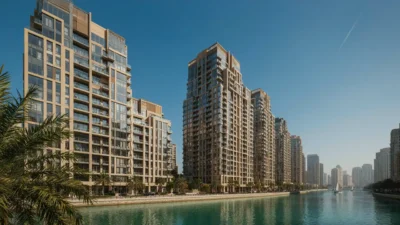
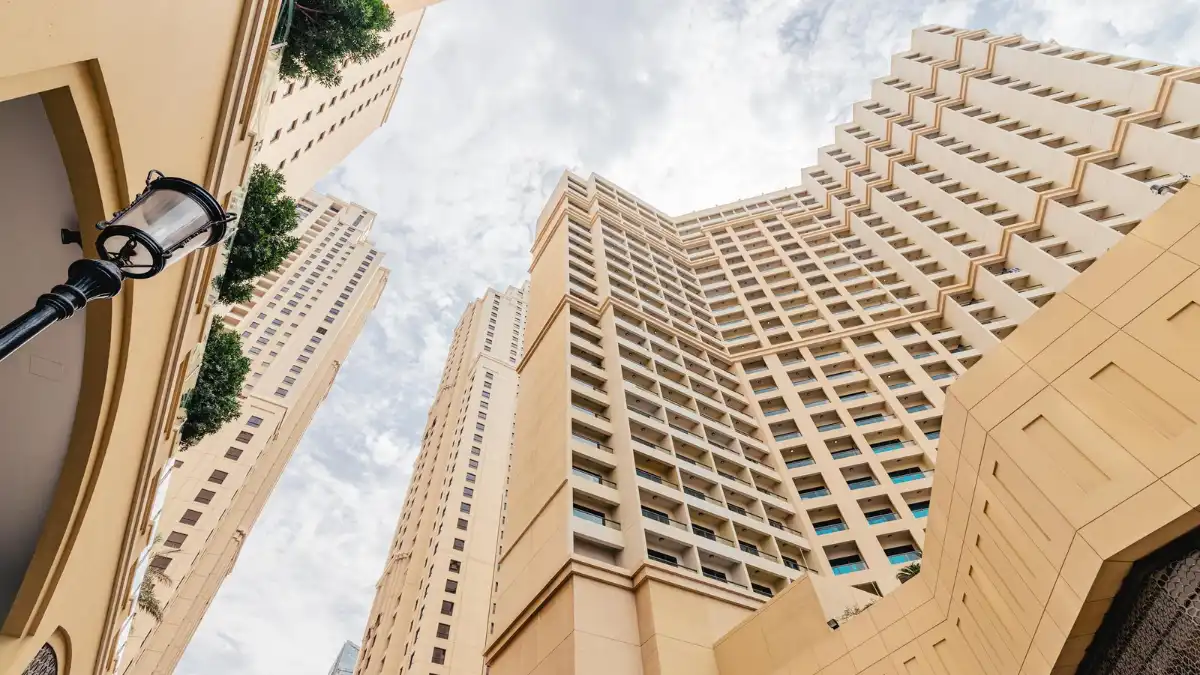
One significant category of real estate development projects targets buyers for whom price is not the primary filter. Projects like OMNIYAT’s AVA at Palm Jumeirah, Binghatti’s Bugatti Residences in Business Bay, and Emaar’s waterfront developments serve buyers whose primary consideration is scarcity, prestige, and lifestyle.
These buyers are not local only. They arrive from Russia, the UK, China, India, and Europe, drawn by Dubai’s safe-haven status, its globally integrated lifestyle, and its consistent appreciation record in prime zones. Furthermore, a new luxury developer, ALA Developments, recently announced an AED 1 billion pipeline targeting design-conscious buyers who want architectural quality over brand prestige alone.
According to ALA’s chairman Hassan Raza, today’s buyers in this segment are globally exposed. Moreover, buyers are focused on how a home performs over time, not just how it looks in a rendering.
Affluent Local and Expat Families: The Complete Community Play
A different, and arguably larger, group of real estate development projects targets the family buyer. These are typically mid-to-upper-income households looking for space, schools, healthcare, and community infrastructure in one planned environment.
Projects like The Valley by Emaar, Damac Lagoons, and Aldar’s Al Ghadeer Gardens all target this buyer. They emphasise green space, low density, family amenities, and proximity to schools. According to Dubai Mega Projects Guide, the Dubai 2040 Urban Master Plan underpins many of these launches. It targets a population of 5.8 million by 2040 and ensuring every resident lives within 20 minutes of essential services.
These are not just product decisions by developers. They are contributions to a planned urban future that the city has formally committed to.
Mass-Affordable and First-Time Buyer Segment
Dubai doesn’t only cater to high-net-worth individuals when it comes to real estate development. First-time home buyers as well as those with smaller budgets can be served by developers such as Danube, Samana and Azizi. They have a wide range of first-time buyers and mid-income investors.
The developers are mainly based in JVC, Dubai South, Arjan, and provide offers of 1 Bedroom and Studio units on payment plans of 1% monthly starting from AED 450,000. Additionally, the abolition of the minimum investment requirement of AED 750,000 for the two-year property investor visa has made this tier even more appealing for international investors who wish to enjoy the advantage of securing residency while investing.
With the high launch volume, the competition among developers is intense which ultimately translates to improved terms and conditions for the buyer and greater project options.
Business, Office, and Live-Work Users
Real estate development projects in Dubai are not only residential. DIFC continues to expand its Grade A office capacity. Dubai South is creating a complete aerotropolis around the Al Maktoum Airport’s expansion. New tech and media companies are moving to Dubai Internet City and Dubai Media City due to the proximity of workspace and employee housing.
JLL’s Q1 UAE Office Market report revealed that Dubai’s Grade B office rents increased by 23.4 percent year-on-year (y-o-y) in Q1 2026, while prime office occupancy reached only 0.7 percent. As a result, developers are building more mixed-use communities that blend residential, retail, and commercial spaces. That format appeals to businesses that want their employees living and working within the same ecosystem.
What the Geography Tells You
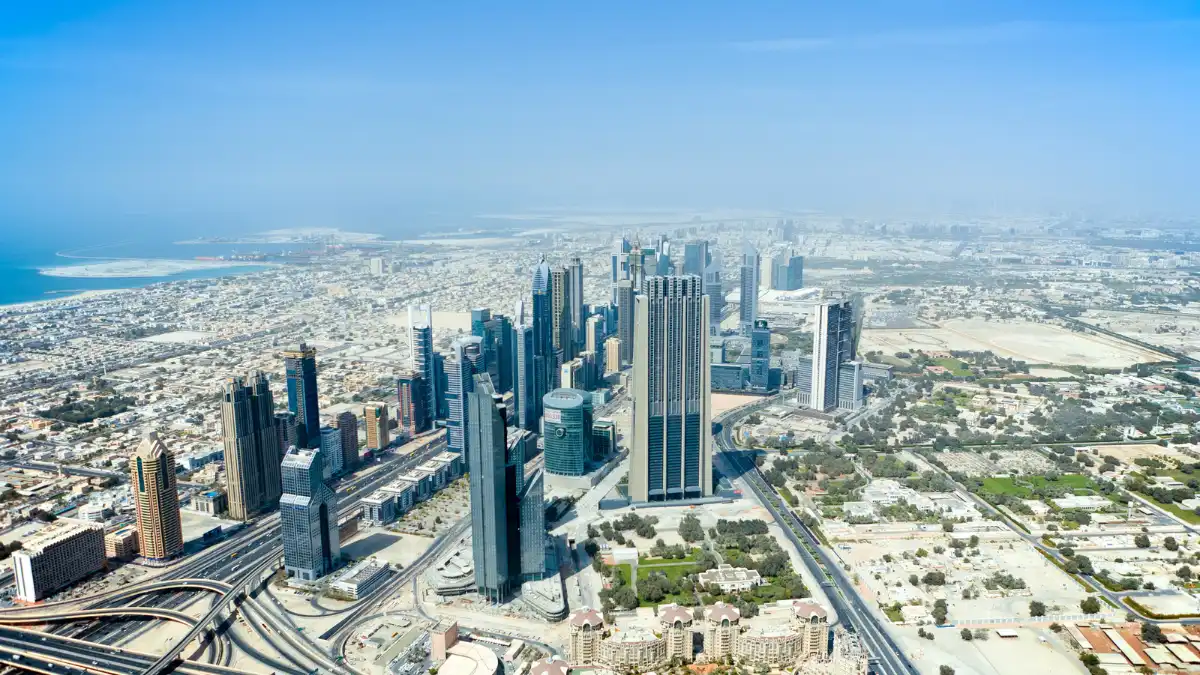
The locations of these real estate development projects are just as informative as their contents. The luxury end is dominated by Waterfront and Coastal areas, while Palm Jumeirah, Dubai Creek Harbour and Dubai Harbour are the focus of the global buyer who appreciates scarcity and views.
For the family buyer that appreciates space and schools, masterplanned inland communities such as Mohammed bin Rashid City, Damac Hills and Dubai Hills Estate come to mind. Dubai South and Al Furjan are emerging districts which have captured the imagination of the budget-minded buyer who demands value and growth as well.
That geographic spread is not accidental. Dubai is building different versions of itself for different groups, and the real estate development projects in the pipeline reflect each of those groups’ specific needs.
Beyond the Renderings
Dubai’s 2025 to 2026 project pipeline is not a single story about height or glamour. It is a layered strategy to serve distinct groups: global investors, affluent families, young professionals, and businesses. Reading real estate development projects through the lens of who they serve gives a clearer picture of where the city is heading than any price-per-square-foot chart can.
As cranes reshape the skyline, the real test will be whether these communities deliver not only returns and views, but livable, connected cities for the people who actually keep Dubai running.
Read More: Palm Jumeirah: A Complete Guide to What to See and Do