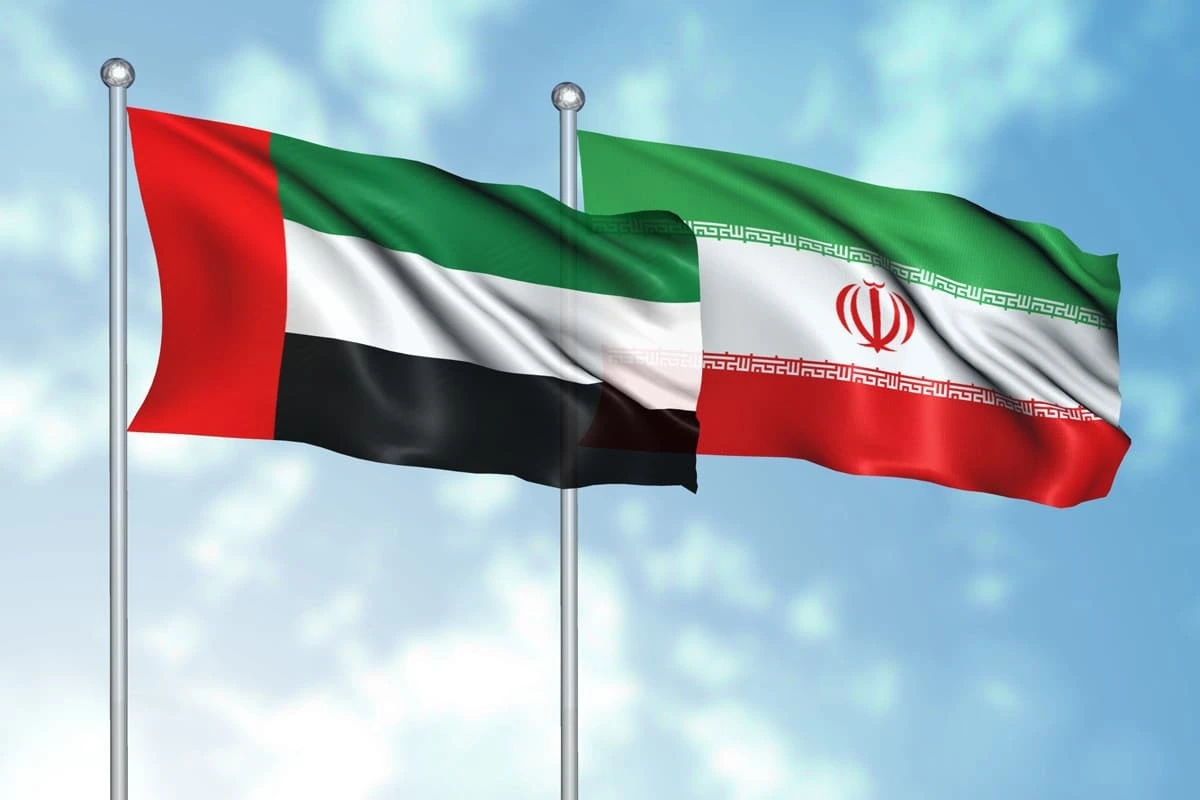
Abu Dhabi, UAE, January 30, 2026: In a major telephone conversation to protect regional security, His Highness Sheikh Mohamed bin Zayed Al Nahyan, President of the United Arab Emirates (UAE) had a prime opportunity to talk to the President of the Islamic Republic of Iran, Dr. Masoud Pezeshkian, and underscore the UAE desire to ensure stability in the region against the backdrop of rising tension in the Middle East. The call is an indication of continued diplomatic struggles of the Gulf states to maneuver in a complicated geopolitical environment.
Developing Bilateral Discourses
During a direct phone conversation, President Sheikh Mohamed and President Pezeshkian raised issues of common interest to the bilateral relations and security of the region. The leaders stressed the need to build on communication lines and improve the structures of cooperation to facilitate peaceful interaction along common interests.
The Ministry of Foreign Affairs of the UAE emphasized that the dialogue and cooperation cemented the position of the UAE in favor of the regional security and stability of the region. They both concluded that further diplomatic involvement is the key to dealing with the regional security issues especially with the tension between external forces and strategic competition. Once again, the UAE reinstituted its conviction that diplomatic conflicts are the most effective means of solving the disputes and minimizing the prospects of armed conflict.
President Pezeshoian thanked the constructive nature of the conversation and it showed that the region is willing to engage in dialogue with other states about matters of mutual interest.
The Geopolitical Backdrop
The UAE-Iran call was held at the time when efforts to establish more relationships between Iran and the United States were intensified on the global diplomatic front. There are reports of increased tensions because the U.S has sent military forces to the Middle East, which is an indication that it is ready to face the possibility of confrontation as it calls on Tehran to talks on restrictions of its nuclear and missile programs.
Interactions among regional forces such as Turkey, Saudi Arabia, and the UAE have been involved in diplomatic efforts in an attempt to prevent bigger war and promote negotiation and regional security instead of fighting.
The case has attracted the attention of the key international stakeholders:
- Russia has encouraged diplomatic talks to prevent the instability in the region where it has liaised with the UAE leadership on common issues regarding Iranian tensions.
- Turkey has been keen in playing mediation functions by suggesting direct communication contacts between Iran and the world powers to lower the level of misunderstanding.
These simultaneous diplomatic campaigns illuminate the growing multilateral agenda to deal with Middle East regional security issues.
Regional Security And Stability Implication
The UAE-Iran call gives the international community a sign that the Gulf states are strongly leveraging the diplomatic channels to be acting as a tool of enhancing stability and regional security. Such discussions are needed in a tense time as one wrong step will result in another level of tension. This interaction also contributes to the fact that the regional actors are not just observers but they are also in the process of creating diplomatic spaces that prevent war and promote peace.
The telephone call of President of the UAE and Iranian President is not only a formal diplomatic visit, but a structured action towards the regional security, and this makes the UAE a leader in the discussion. The global and regional pressures are growing, and through Gulf-Tehran diplomatic routes, the minimization of the threat of further conflict and development of sustainable peace are critical. Even more contact, two-way cooperation, and moderate diplomacy remain the key aspects to the Middle East stability in 2026 and the future.
Also read: Sharjah Police Intercept Eight Vehicles Following Rain-Stunt Driving