

What Happens After You Reach the Final Third
A lot of analysis stops once a team gets into the final third. That’s usually where the focus is — how the chance was created, how the defence was broken. But watch closely and you’ll notice something else. Most attacks don’t end cleanly. The ball gets blocked, half-cleared, or just drops somewhere awkward.
What happens next is often more important than the original move. Some teams lose control immediately. Others… don’t. That’s where this idea of rest attack starts to make sense.
Related Stories

It’s Not About the First Action
It’s easy to think attacking is just about creating that one opening. But at the top level, it rarely works like that. Teams plan for the second phase as well. They expect the ball to come back out.
So while the attack is happening, there are already players positioned to deal with what comes next — picking up loose balls, stopping counters before they start, or simply keeping possession alive. That’s why the best teams don’t attack once and reset. They stay there. They keep coming.
Why It Doesn’t Always Stand Out
Sometimes it just looks like safe passing. The ball goes wide, comes back inside, maybe recycled again. Nothing dramatic. But there’s a reason the ball keeps coming back to the same team. It’s not luck.
Related Stories

The spacing behind the attack is right. Players aren’t scattered. There’s always someone in position to react first when the ball breaks loose.You don’t really notice it until you see a team that doesn’t do it well. Then it becomes obvious.
Manchester City: Pressure That Keeps Building
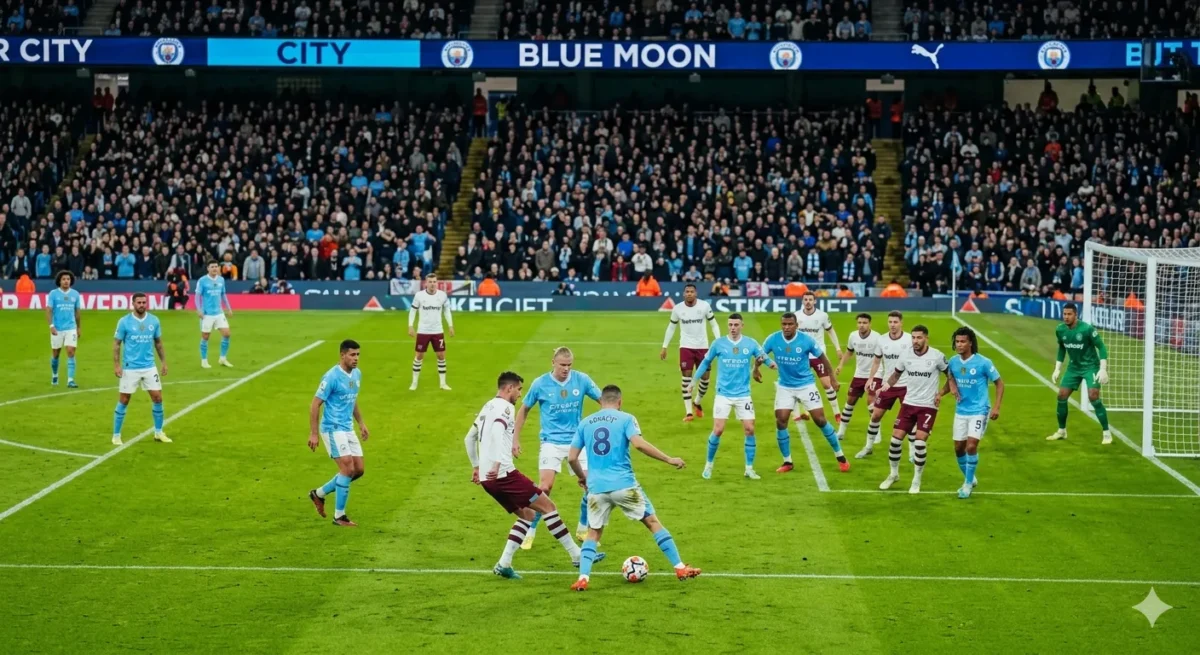
With Manchester City, this is almost constant.They commit numbers forward, but never in a way that feels reckless. There’s always a structure behind the ball — midfielders holding their zones, defenders stepping up but not losing their shape, distances staying compact.

So when a cross gets cleared or a shot is blocked, the ball rarely travels far before it’s recovered again. That’s why their attacks don’t feel like single moments. They feel like sequences that just keep going.
Arsenal: Control Without Losing Balance
Arsenal have been doing something similar, especially in games where they dominate territory.They push players high, but not all at once. There’s usually someone sitting behind the play, ready to deal with anything that comes out.
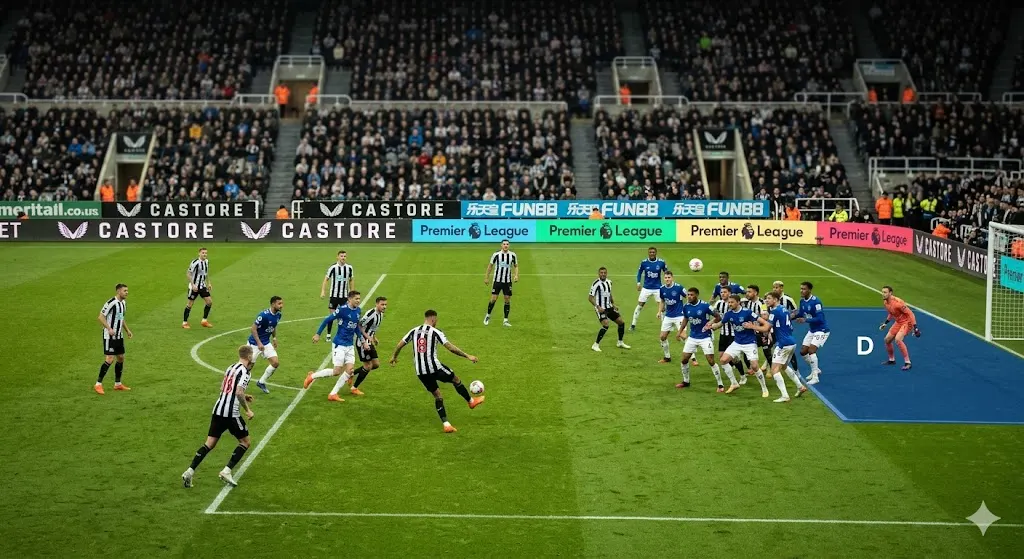
Full-backs adjust their positions depending on the phase, and midfielders stay connected to the attack. It doesn’t always lead to immediate chances. But it keeps the opponent pinned back.
Related Stories

A Fresh Example: City vs Arsenal
You could see all of this in the recent game between Manchester City and Arsenal. It wasn’t an open game. There weren’t constant clear chances. But City, especially, kept finding ways to stay around Arsenal’s box. The first action didn’t always work. Crosses were cleared, passes were cut out. But the ball kept coming back.
Second balls were picked up quickly. The shape behind the attack was already set, so there was no real reset. Just another phase, and then another. By the time the goal came — finished by Erling Haaland — it felt like the result of pressure building over time rather than one isolated moment.
What Happens When It’s Missing
When this structure isn’t there, things fall apart quickly. A team pushes forward, loses the ball, and suddenly there’s space everywhere. Midfielders are too high, defenders are stretched, and the opponent has room to run into. That’s when games turn messy. And usually, not in your favour.
It’s a Balance More Than Anything
Sending players forward isn’t the problem.It’s about how the team is arranged when possession is lost. Too cautious, and you lose attacking presence.
Too aggressive, and you open yourself up.The best teams sit somewhere in between — enough players to keep the pressure on, but enough structure to deal with what comes next.
Final Thought
Rest attack isn’t something you notice immediately. It’s not a pass you replay or a run that gets highlighted. It’s more subtle than that.But it explains why some teams stay in control even when their attacks don’t work — while others lose everything the moment the ball is cleared. And once you start watching for it, it’s hard to miss.
Read More: Liverpool-vs-everton-tactical-analysis-late-winner