The Roads and Transport Authority (RTA) in Dubai recently added 20 major neighborhoods to its comprehensive public transportation system. The authority’s vision is to connect three high-density areas—Al Satwa, Al Quoz and Mirdif—providing solutions to the needs of thousands of commuters who travel between and within the areas daily.
This significant expansion comes on the heels of the RTA’s historic passenger increase, which saw 527,000 riders during the first half of 2026. This is a 25.1 percent increase from the year before, and has indicated robust demand from the public for flexible, app-based micro-transit services.
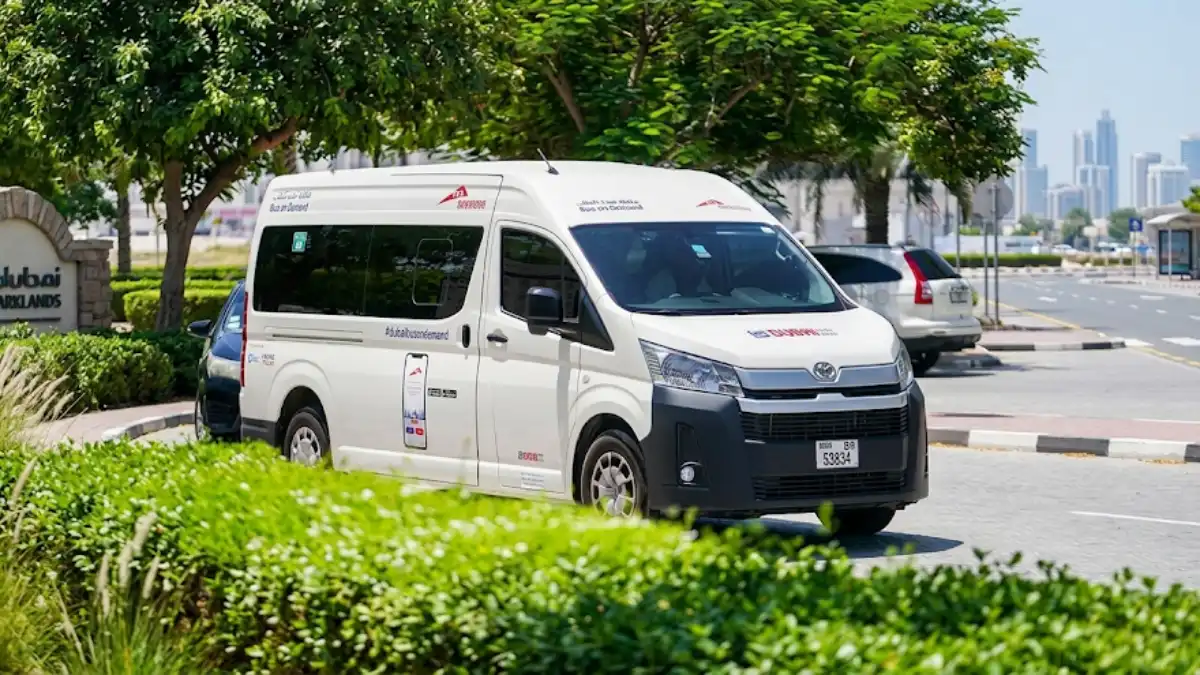
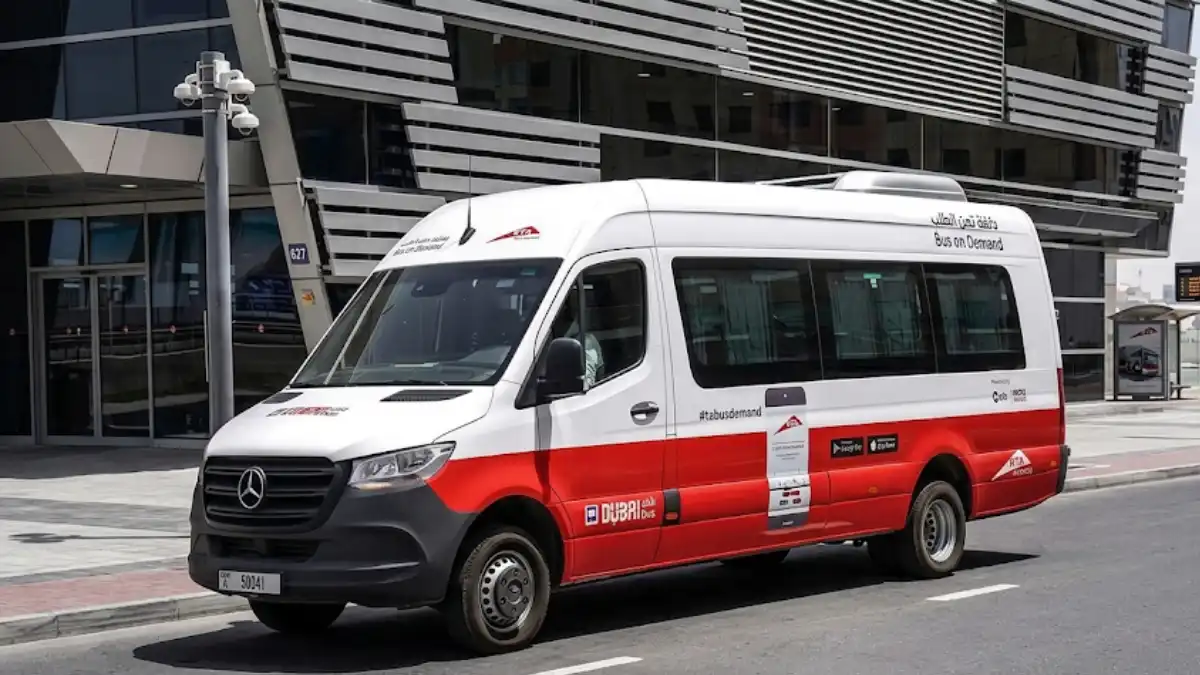
In order to meet this rising demand, the municipal transit company doubled its active fleet of smart minibus vehicles to 55, thus upgrading direct connections between the neighborhoods and the main metros.
Flexible Public Micro Transit
The Bus-On-Demand service is a digital ride-pooling system for local short-distance trips and transfers to and from metro stations. Smart algorithms use intelligent routing technology to match passengers in the same direction of travel to a single vehicle.
These minibuses are not fixed-route public buses as they do not follow a fixed schedule or fixed stops. The dynamic system generates virtual pickup points at street corners near the pickup location. This minimises detours and total travelling time. The premium minibus seats up to 14 passengers and provides a comfortable and eco-friendly alternative to single passenger private cars.
Additionally, the service alleviates congestion of roads in the area and provides shorter emission footprints in suburban corridors.
Active Service Communities
With the recent network expansion, RTA bus on demand expanded coverage across 20 distinct urban and suburban zones. The map is comprehensive and covers areas of high density like Al Barsha, Al Nahda, Dubai Silicon Oasis and Dubai Academic City.
It also acts as a lively commercial district in such areas as Oud Metha, Port Saeed, Business Bay, Downtown Dubai and DIFC. Other residential areas include Al Rigga, Al Karama, Barsha Heights, Al Mankhool, Al Warqaa. Dubai Investment Park and Jumeirah Village Circle are also included. Additionally, the bridges of Al Satwa, Al Quoz and Mirdif ensure access and seamless road connectivity for key communities.
Simple Booking Process
Booking a ride requires downloading the official Dubai Bus on Demand application from Google Play or the Apple App Store. Users register an active profile, enter their current location, and select their desired destination within the covered zone. The app calculates the optimal route, displays the total fare, and assigns a specific minibus along with its vehicle license plate number.
Standard intrazone fares start at AED 5 per seat, while interzone trips between adjacent designated communities cost AED 7. Passengers can conveniently settle payments using credit cards, debit cards, or personalized Nol cards through the digital portal. Passengers then walk a short distance to the designated street corner where the driver completes the pick-up.
Read More: RTA Mobility Partnership Dubai Forum Draws 71 Entities