
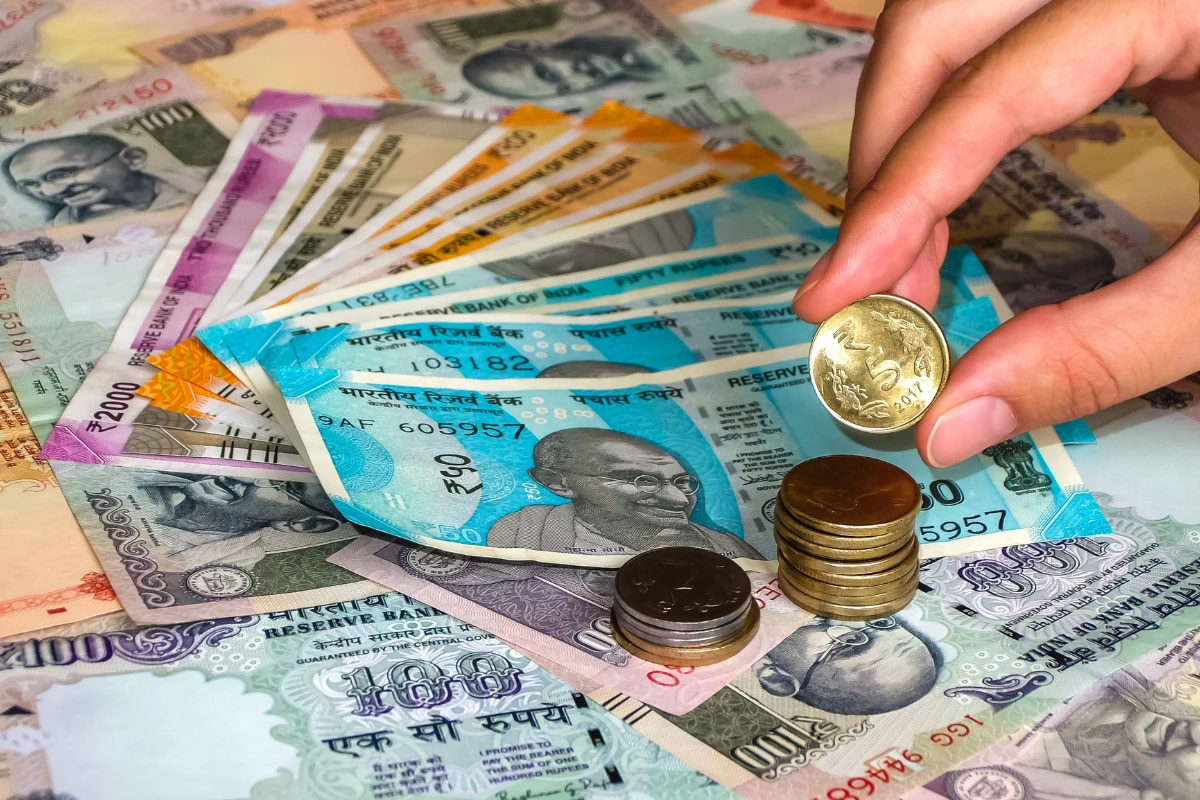
The Indian currency continues to weaken sharply against major currencies, including the UAE dirham, pushing the Rupee to Dirham rate close to key levels not seen in many years. This slide highlights fresh opportunities and challenges for expatriates, businesses and remittance flows between the Gulf and India.
Rupee Slide Deepens Against Dirham
The Indian rupee has been steadily losing ground against the UAE dirham in recent weeks. Currency markets reported the rupee was nearing ₹25 per AED, a psychologically significant mark, as traders see continued depreciation pressure. The Reserve Bank of India (RBI) has signalled that it will not defend any specific currency level, leaving the rupee’s movement largely market-driven.
This weakening trend reflects broader currency weakness against the US dollar and regional currencies linked to it. Although the dirham is relatively stable due to its peg to the US dollar, the Rupee to Dirham exchange rate has weakened because the rupee itself has been sliding against the dollar.
Impact on Remittances From UAE and GCC
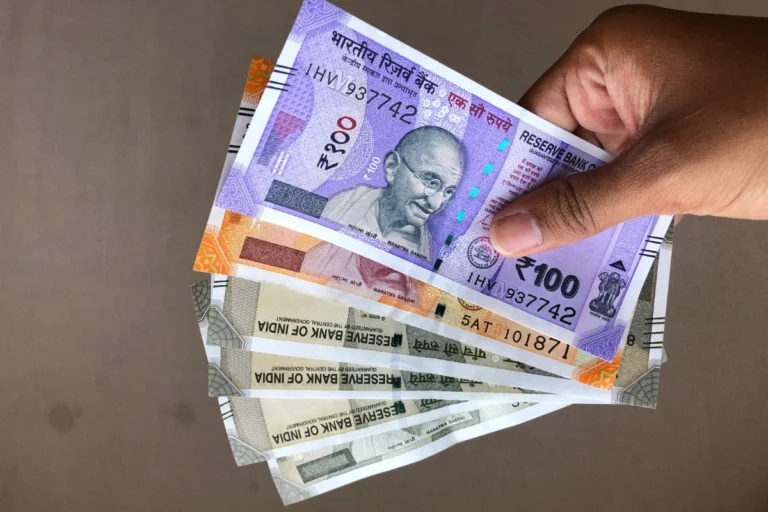
The weaker Rupee to Dirham rate is expected to be favourable for remittance flows from the Gulf region:
- Many Indian expatriates working in the UAE and other GCC countries stand to benefit when sending money home. Each dirham converted now yields more Indian rupees than before.
- In past months, when the rupee slipped past ₹24.5 per dirham, remittance demand surged. Analysts called this one of the most attractive windows for sending money home in years.
However, not all recent currency weakness has led to immediate remittance spikes. Some data from earlier months showed steady remittance volumes, even without the usual surge that accompanies a sharp slide, implying that sending patterns depend on worker confidence and planning.
What’s Driving the Rupee Weakness?
Several economic forces have contributed to weakening the rupee:
- Broader currency market pressures and strong demand for US dollars.
- Persistent foreign investment outflows and portfolio selling in India.
- External factors like global trade uncertainties and geopolitical influences.
The Indian rupee has also struggled against the US dollar, trading around the 90 level against the greenback, which feeds directly into how weak it appears versus the dirham. Because the dirham is closely linked to the dollar, a softer rupee against the dollar almost always means a weaker Rupee to Dirham rate.
How UAE Expats Benefit From the Rupee to Dirham Move?
The depreciating Rupee against Dirham for Indian expats residing in the UAE can mean a positive scenario. In case of a Rupee fall expats get more Rupees back for every Dirham that they send home, which is an overall benefit to families in India for daily expenses, education costs and loan payments whichever is the case.
UAE money exchange agencies have mentioned that the interest in remittances has increased during the periods when rupee is weak. A large number of workers are shifting their money only when Rupee to Dirham rate is good for them. Even smallest of changes in the rate can make a difference in the case of the monthly transfers of the regular customers.
On the other hand, some expatriates do not send money until they see even better rates. However, past trends confirm that the remittance volumes do not always go up immediately because people closely watch the currency movements and then take decisions.
Impact on Businesses and Trade
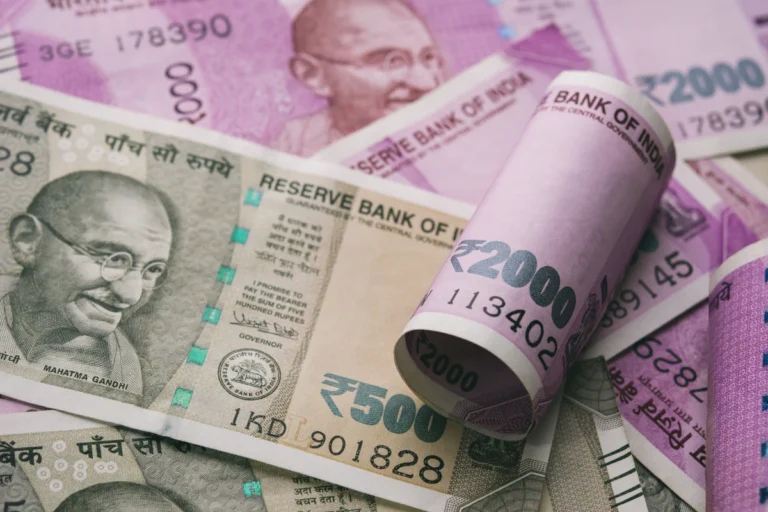
The fluctuating Rupee to Dirham rate is another factor that impacts the trade sector operating between the UAE and India. Businesses that are experts in importing goods from India would incur higher costs due to the increase in the price of payments made in rupees. The Indian exporters, however, could be the ones to benefit, as their goods would be more affordably priced in global markets.
Currency planning has become all the more critical for traders in the UAE who are partnered with Indian counterparts. It is common practice for many businesses today to follow the Rupee to Dirham rate on a daily basis to keep costs in check and safeguard their profit margins.
What to Expect in the Coming Weeks?
Analysts think that the Rupee to Dirham rate will be very much affected by the trends in the global market. Changes in US interest rates, oil prices, and investor confidence can all trigger currency movements. The short-term fluctuations might be there but the long-term trends will be determined by the economic growth and policy choices in India and other countries.
The experts suggest that the expatriates and businesses should be always updated on the market and also check the rates before the transfers. It is advisable to use banks and regulated currency exchange houses as they can provide the facilities of safe and transparent transactions.
The diminishing rupee to dirham rate is making a big impact on the money sending channels throughout the UAE and the GCC countries. The depreciated rupee is, on the one hand, giving some sectors a tough time, while, on the other hand, it is making the lives of expatriates sending money home easier. Continually evolving, the international market will decide the fates of the Rupee and Dirham exchange rate for the future, and therefore, it will be a key factor for both individuals and businesses in the UAE and India.
Also Read: Real Estate Diploma in Dubai Rolled Out to Support Emirati Employment in Property Market