It’s 10pm on a Thursday night in Al Majaz, the restaurant has just cleared its last tables. The parking outside is starting to fill up with people lingering for dessert, shisha or a second pot of tea. For years many of Sharjah’s yellow-sign zones have been free parking for this post-10pm crowd. Not because the municipality wanted them to, but because the paid parking hours had just ended for the night.
That gap between the city’s evening economy and its parking system has now been formally addressed. Effective July 1, 2026, all paid parking zones across Sharjah city, Kalba, Khorfakkan, and Al Dhaid will charge fees until midnight, under a new decision announced by Sharjah City Municipality. The city has 124,000 paid parking spaces. From July 1, every single one of them works the same hours. A Sharjah resident, Rahul Bahedia, called the extension of paid parking hours a “practical move”.
Related Stories

What Changes and Why Now
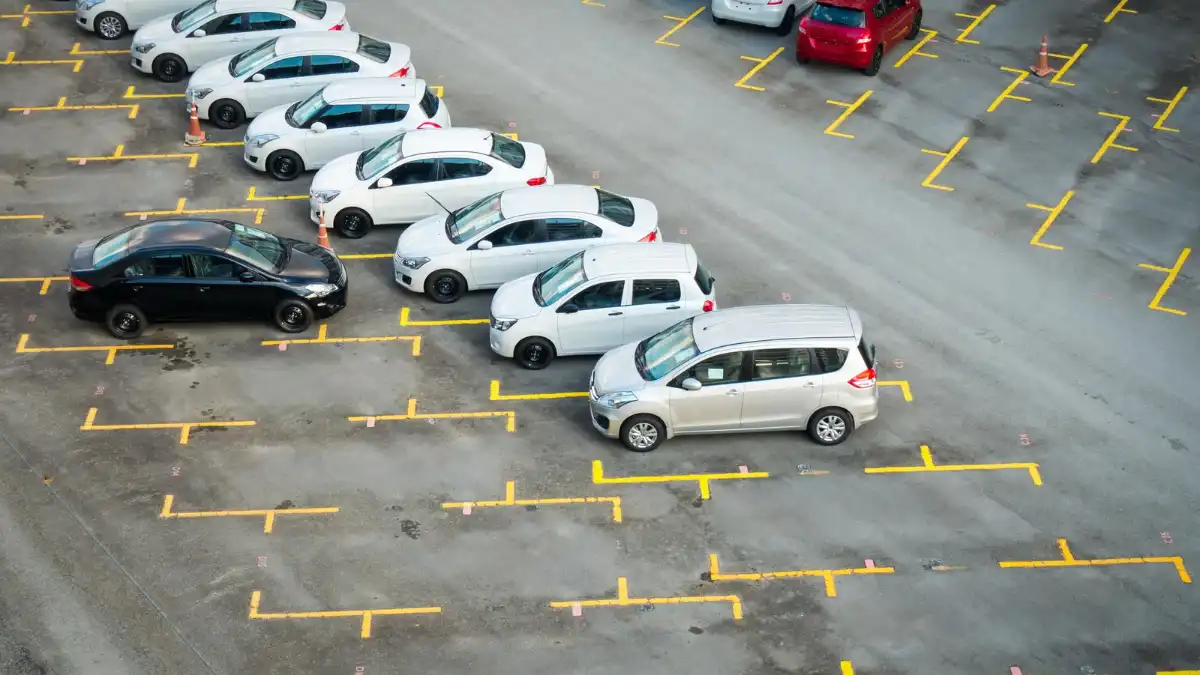
The decision is straightforward in its mechanism. The new rule unifies the timings for all paid parking areas by extending hours for zones marked with yellow signs to match those marked with blue signs, which already operated until midnight. Previously, yellow-sign zones had shorter paid hours, creating an inconsistency across the system.
Sharjah Municipality’s Director of Public Parking Department, Hamed Al Qaed said that the emirate’s increasing economic and commercial activity has increased the need to run public parking facilities until midnight.
He said that seasonal subscription holders and visitors to restaurants and cafeterias generally have difficulty in finding available parking after 10pm. It was necessary to develop parking systems and improve efficiency. That is the driver in plain terms.
The resident also said, “with more people out late in the evening, it can help improve parking availability and reduce congestion in busy areas.” As Sharjah grows, its evenings have grown with it. Restaurants, cinemas, gyms, and retail strips, all operate until midnight. They now have a parking system that supports their hours rather than working against them.
Paid Parking: The Blue and Yellow Divide, Explained
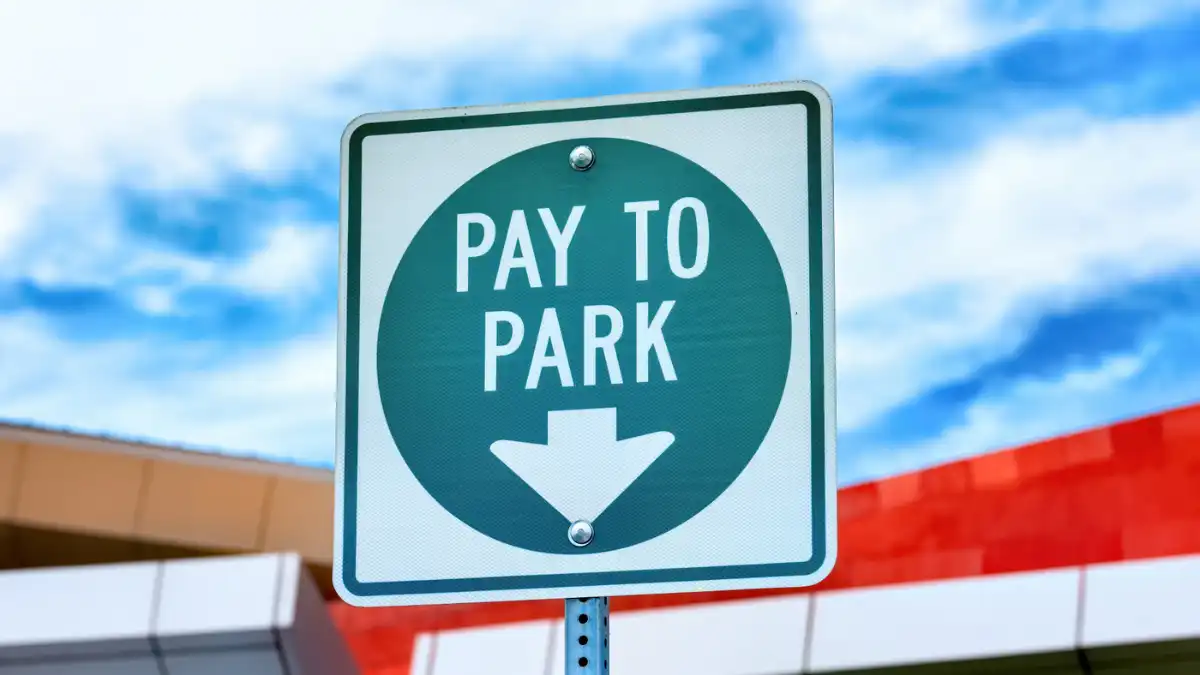
If you park in Sharjah regularly, you already know these zones by sight, even if not by name. Blue zones are marked by blue and white curb lines and blue-coloured signage. These are seven-day zones that charge fees from 8am to midnight every day of the week. Blue zones include Fridays and public holidays. Standard zones, marked with yellow signs, charge fees from 8am and are free on Fridays and public holidays.
From July 1, the hours align. Blue zones still charge on Fridays. Yellow zones still do not. However, both now charge until midnight rather than yellow zones cutting off at 10pm.
Parking will remain free on Fridays and official public holidays across standard zones. Except in designated locations where fees are charged throughout the week including holidays. That structure is unchanged. Only the cut-off hour moves.
What It Costs and What Subscribers Save
Standard paid parking in Sharjah costs approximately AED 2 per hour in most street zones. Smart parking facilities differ. At Al Khan Smart Parking Lot, for example, a short-term spot is priced at AED 8 for one hour with a maximum of five hours. While long-term options range from AED 46 for a day to AED 2,300 for an annual permit.
The extension does not cost seasonal subscribers anything extra. Al Qaed confirmed that extending operating hours will not increase seasonal subscription fees, which remain unchanged. The Sharjah resident also affirmed the decision. “While some drivers may pay a little more, monthly and annual parking pass fees remain unchanged,” he said.
Subscribers will benefit from two additional hours of daily exemption. This increases their exemption period from 14 to 16 hours per day. In practical terms, a subscriber who previously had 14 hours of exemption now gets 16 hours within the same fee structure. That is a net gain.
Payment remains simple. Motorists can pay by SMS to 5566, through the Sharjah Municipality Digital Sharjah app, or via parking machines located across paid zones. The format for SMS payment is SHJ followed by the plate number and the number of hours required. A 10-minute grace period applies at the start of every parking session, confirmed officially by Sharjah Municipality.
Paid Parking Extension: Even Distribution, Less Congestion
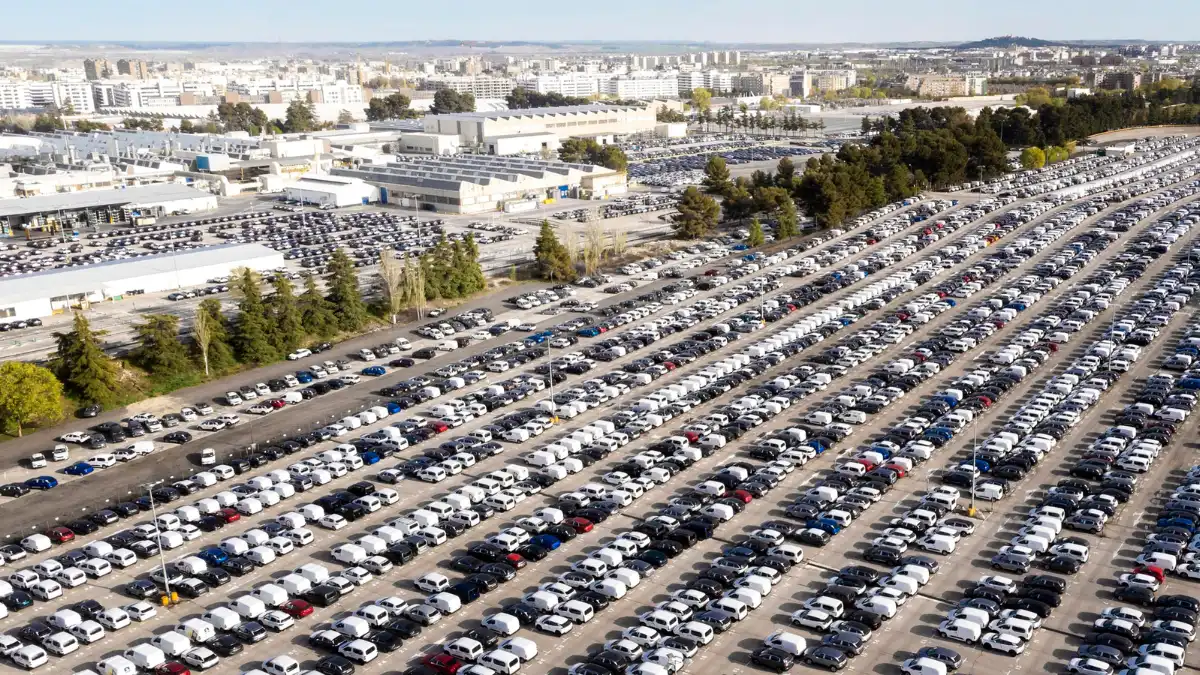
The unification of hours does more than extend a billing window. It addresses a specific problem that has been growing in Sharjah’s busier commercial districts. The longer hours are expected to encourage better use of public parking spaces. It can reduce random and illegal parking. It can also increase parking turnover in busy commercial and high-demand areas.
Earlier, at the end of the paid hours at 10pm the free parking will open, and drivers will be racing to take a parking spot they’ll be keeping until midnight—and beyond. This action forces demand into a small time frame and in doing so causes the very congestion that it is designed to prevent.
A fixed amount of payment for a fixed amount of time, until midnight, prevents people from staying longer than they should and helps to spread vehicles out among all spaces. The resident also agreed saying, “better traffic flow and more organized parking could make the change worthwhile in the long run.”
If the parking time is only 30 minutes, drivers will not park for three hours because the parking meter has stopped. This change is welcomed by residents who typically park on the street around apartment buildings, as more spaces will be available later in the day, not because there is an increase in spots, but because spots are being turned over more efficiently.
The Business Angle
Sharjah’s evening businesses stand to benefit perhaps more directly than anyone else. Restaurants, cafes, entertainment venues and retail shops that do a lot of business after 8pm have always had an informal advantage.
The late visits were easier because after the paid hours customers could park free. That advantage goes away, but what replaces it is probably more valuable: a less chaotic, better-run car park environment.
The longer hours are aimed at helping Sharjah keep its position as a tourist destination and a place where people would like to live and spend their free time. When parking is managed properly, it circulates. Customers who arrive at 10:30pm can find spaces.
That is better for foot traffic than a jammed car park where every spot is squatted for free. The short-term cost of paying two more hours matters far less to a diner than arriving and finding nowhere to park at all. Considering the long term effects, the resident said, “ofcourse it will pinch my pocket a little more but then I will just grin and bear.”
On the revenue side, the extension of paid hours across 124,000 spaces for an additional two hours every evening does generate incremental income for the municipality. That income, in the municipality’s own framing, is reinvested directly into improving parking services and urban infrastructure.
The longer paid window is not a revenue grab for its own sake. It is the funding mechanism for the management improvement that makes the whole system work better.
Read More: UAE Weather Today: Hot, Hazy Conditions Continue Across the Emirates on June 25, 2026