

Every time the US dollar moves, millions of expats across the UAE check their remittance apps. The reason is straightforward. The UAE dirham rate is fixed to the US dollar at 3.6725. So when the dollar strengthens, the dirham gets stronger too. That means more rupees, pesos, or dirhams for every AED sent home.
In August 2026, the dollar has been on a firmer footing, and the UAE dirham rate reflects that directly for the Indian, Pakistani, and Filipino communities who together make up a significant portion of the UAE’s workforce.
Related Stories

The Mechanism Behind the Rate
The UAE dirham rate is not subject to free float. The Central Bank of the UAE does not allow the use of foreign currencies in the UAE. The Central Bank fixes the UAE Dirham Rate against the USD. It maintains this rate on its official table, released daily at centralbank.ae. That’s been in place since 1997. That makes it the automatic advantage of the AED when the Federal Reserve starts tightening money supply or when world demand for the dollar increases.
That’s why expats here keep a close eye on the dollar news. A strong dollar is equal to a strong AED. This is equivalent to more local currency for every dirham that is sent out. This is the reason many residents schedule remittances, viewing the fluctuating rates and deciding when to transfer.
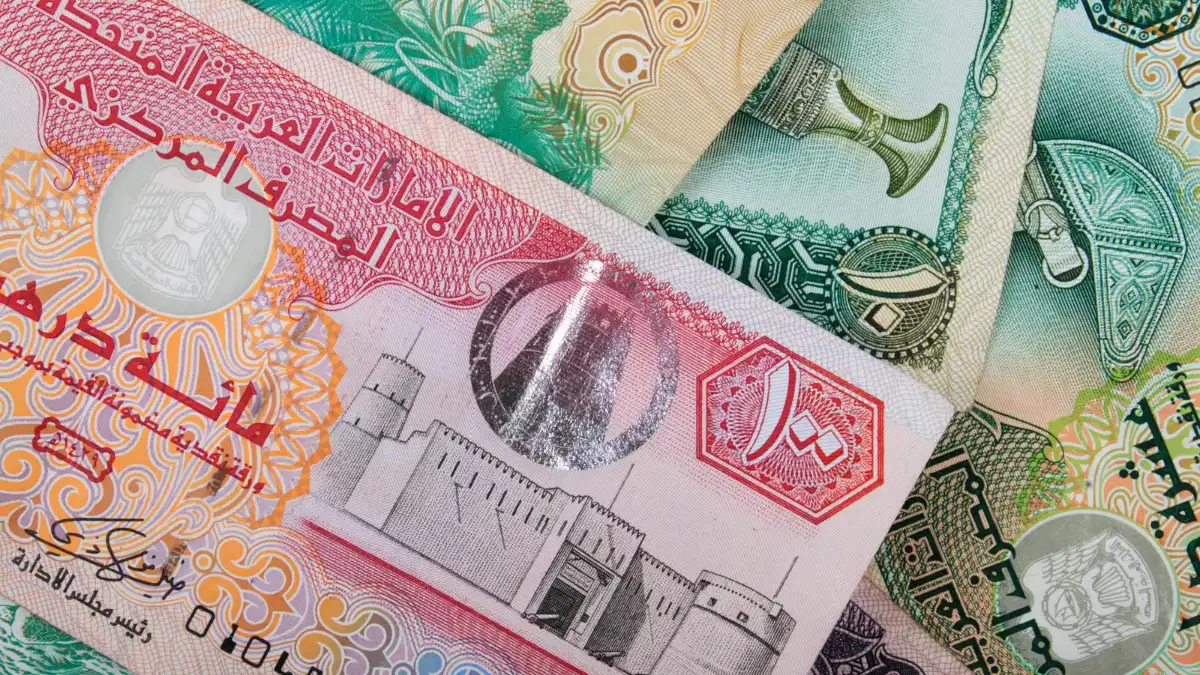
What the Rates Look Like Now
According to mid-market rates Wise, as of early August, one UAE dirham can be exchanged for PKR 75.65 to 75.74 in Pakistan. The 90 day high of AED to PKR was 76.05. But, the 30 day average is at 75.71. The current rate provides a worker who sends AED 2,000 home to Pakistan an approximate PKR 151,300. That is a meaningful figure for households managing multiple financial commitments.
For Indian residents, the AED to INR rate has been holding in the mid-to-upper 25 rupee range, consistent with a period of dollar strength. For Filipino workers, the AED to PHP rate has been hovering around 16.52 to 16.67 per dirham, according to market data as of early August.
These UAE dirham rates are not dramatically higher than mid-year, but they represent a stable and modestly favorable environment for outbound remittances.
Importance for Expat Households
Remittance is not a background transaction for most expat families in the UAE. It is a monthly obligation. Children’s school fees, loan repayments, and household expenses depend on the dirham’s value when converted. Medical bills back home depend on the dirham’s value when converted. The UAE Dirham Rate thus affects remittance for many expat families in the UAE.
Furthermore, the UAE dirham rate consistency gives expats something most migrant worker communities in other countries do not have: predictability. The peg means sudden sharp swings are rare. Unlike currencies that float against the dollar, the AED does not collapse because of a local political shock or a central bank decision. That stability encourages residents to build transfer habits around salary cycles rather than reacting to currency emergencies.
The current environment, with the dollar steady and regional tensions slightly easing after weeks of escalation, is producing a UAE dirham rate that favors outbound transfers. For residents planning their August remittances, the window is reasonable. For those who can wait, watching the dollar’s direction after Friday’s US jobs report may offer additional clarity on where the AED stands heading into September.
Read More: Rupee to Dirham Rate Nears Rs25 Mark, Raising Remittance Gains for GCC Expatriates