

It has never been more complex and interesting to start something on the side in the UAE.
The side hustle had already been a staple of expat life across the Emirates long before the US-Israeli war on Iran, and its effects on the UAE kicked off on 28 February 2026. Artists selling their work online, media professionals penning books in their spare time, freelancers producing work for clients and working on their side hustles they have been incubating for years – it was all happening. The war did not generate the need for economic versatility – it supercharged it.
In a country where the labor market more than doubled in size between 2021 and 2025 (with more than 101 percent growth according to official government statistics), until now, people had enjoyed a level of economic security that allowed the side hustle to be regarded more as a perk than a prerequisite. That calculus has shifted.
A Booming Market Under Pressure
The UAE’s macroeconomic statistics continue to look impressive. Real GDP growth is estimated to have been 5.6 percent in 2025, and 6.1 percent for non-oil activity. But the war has added complexity in ways residents can feel: air travel was disrupted, sending passenger fares and shipping insurance premiums for cargo traversing the region sky high. At the same time, investor confidence, while not decimated, has been rattled. In its April 2026 update, the World Bank noted that service sectors, such as tourism, air transport, and retail trade, are exposed to the downside from the geopolitical setting.

The psychological impact has been as important to residents as the economic impact. Education went online for months. Consumers reduced non-essential spending. And in that uncertainty, many of us quietly did what we could with the resources at our disposal – skills, tools,s and the internet – to create something more in our control.
The side hustle economy is already huge. With a market size of roughly $556.7 billion in 2024, it’s expected to grow to $2.15 trillion by 2033 at a compound annual growth rate (CAGR) of 16 percent. In the UAE, the government has created several legal means for side hustles. From the Ministry of Human Resources and Emiratisation (MOHRE), part-time work permits are worth AED 600, to free-zone freelance permits between AED 1,800 and AED 14,200 – it is clear that the government recognizes the gig economy not as a black and white matter but a fact of modern work life.
Passion First, Profit Later
In the UAE, a side hustle often didn’t start with business in mind, but as a creative venture that has now become a money spinner.
WPP Production MENA’s Managing Director, Lucy Miller, is one such person. She started painting in her early 20s as an artistic endeavor, and now she runs a small business.
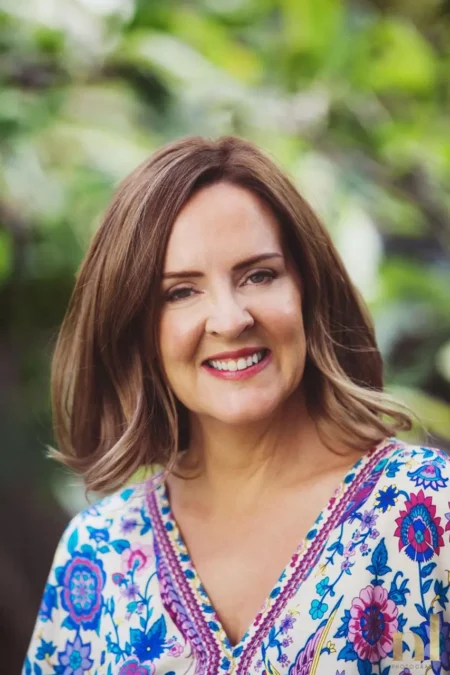
My painting became a side hustle unintentionally,” she says. “I’ve painted as a hobby for many years and now it’s earning me money to go on holiday and to save money for the future.”
Her experience is part of the larger trend in monetisation in 2016. Social media has closed the gap between production and sales. In Dubai, an artist doesn’t need a gallery. An author no longer needs an editor. A consultant no longer needs a firm. The means for turning trade into money has never been easier. And in a time of financial uncertainty, this is important.
Experts say this shift is also reflected in the types of side hustles residents are choosing today.
Related Stories
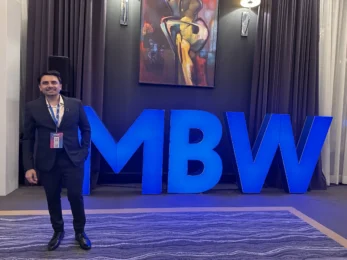
According to Izu Nwachukwu, a marketing strategist and author who has lived in the UAE for over a decade, most side hustles fall into three categories: digital services, content-led businesses, and trading activities.
“Many professionals start with skill-based side hustles such as freelance marketing, social media management, consulting, tutoring, design, or technology services,” he says.
“These are popular because they require relatively low startup capital and can be launched alongside a full-time job.”
He adds that the most profitable ventures tend to be expertise-driven.
“Professionals who monetise their experience through consulting or specialised freelance services often generate higher margins because they are selling expertise rather than time.”
Not as Easy as it Looks
But there are challenges and they are mostly mundane. For those with full-time jobs, juggling skills are crucial.
“Time is the biggest challenge,” Miller says. “I’m also a mother, so I do a lot of juggling. My husband is a huge support – I couldn’t do it without his help.“
She is adamant, however, that her family and her day job must come before painting, and she paints what she can in the interstices. This is not to complain, but an intrinsic part of the parallel-income life. Since February, the intentionality of this work has been tested. With schools off and on for periods of time, kids home, and the omnipresent de-stress of the intercepted missiles and the social media videos of fires near critical infrastructure points, such as airports, many citizens found the capacity to find the right state of mind for side-project activity more difficult. The side project, with its promise, relies on conditions – physical, psychological, domestic, not known to a geopolitical conflict.
Yet the trend has continued. In fact, the urge to do your own thing has intensified.
Creative Hustles Gaining Traction
A broad spectrum of industries is represented in the side hustle economy in the UAE. The most popular include freelancing, e-commerce, content creation, and tutoring. Private tutoring, in particular, is now more accessible than ever, with the Private Teacher Work Permit being free, having a two-year validity, and allowing for both face-to-face and virtual tuition. In Dubai, the going rate for English tutors is AED 100-300 per hour, with tutors who are specialists in the International Baccalaureate diploma curriculum and exam preparation able to command a higher price.
In the creative sphere, there has been an explosion in writing and publishing. Katy Gillett, who has been working as a freelance journalist and editor in the UAE for more than a decade, says long-form writing is one of the most-trending side hustles in her sector.
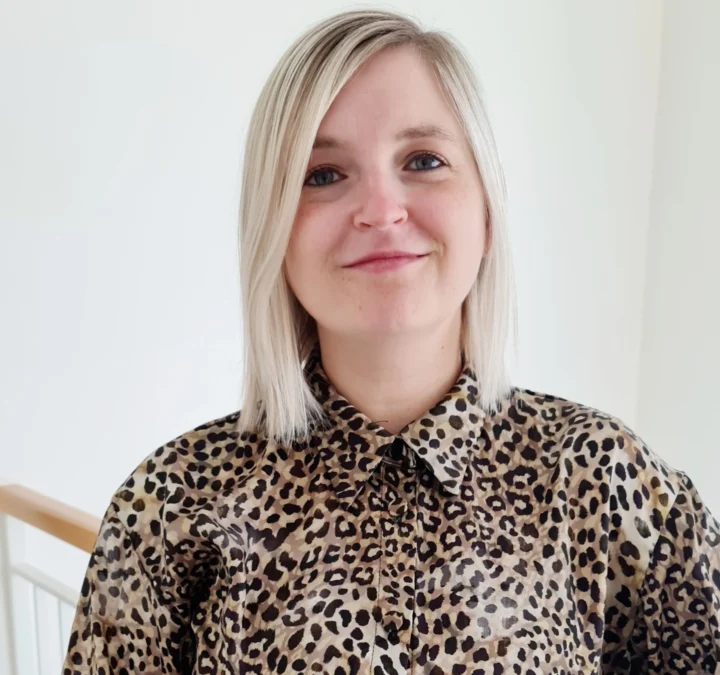
I specialise in working with media freelancers and the side hustle that is the most popular in the community has to be book and novel writing,”
By-Katy Gillett
The appeal is understandable. Nwachukwu notes that content-driven side hustles such as podcasting, newsletters, and personal brands are also gaining traction in the UAE.
These may take longer to monetise, but they can evolve into multiple income streams, including partnerships, speaking engagements, and digital products.”
Book writing can be done for low cost, in small increments – early in the morning, late evenings, on weekends, and holds out the prospect of an asset that can continue to earn money after the point of sale. In an environment where the future for “job titles” seems less certain than it has in two years, owning something is especially attractive.
Not a Flash in the Pan
But creating a sustainable income from a side hustle takes more than passion. It demands the discipline that is often difficult to find when you need it most.
For those freelancers that are working with multiple clients, it can be hard to find time to work on a side hustle,” Gillett explains.“You’re never focusing on yourself and the side projects you want to do, but you have to block out time like any other work.”
That’s the dilemma of the side income life: the work that’s likely to make the greatest return in the long run is the things we don’t do for money in the short term. Gillett’s approach is to take your own projects as seriously as client work. “In the long term, doing your own project will be more rewarding,” she says.
According to Nwachukwu, income from side hustles typically grows in stages.
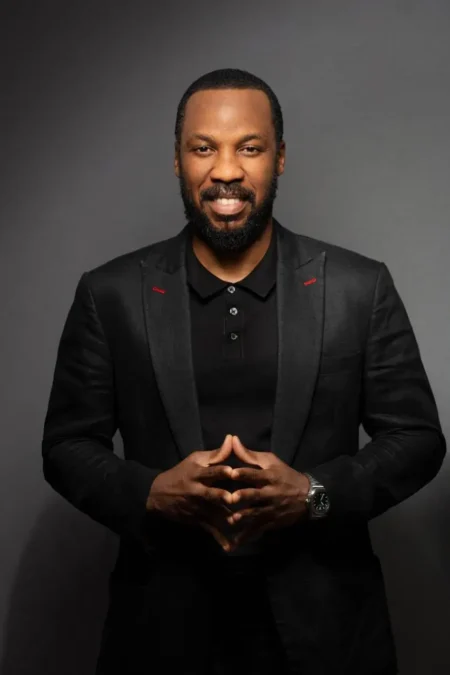
For many people starting out in the UAE, a realistic early-stage income range is AED 2,000 to AED 8,000 per month,
As individuals build expertise and reputation, that income can grow significantly — in some cases reaching AED 10,000 to AED 30,000 or more.
By- Izu Nwachukwu
He adds that earning potential depends on factors such as skill level, market demand, visibility and consistency.
Those who succeed are the ones who treat their side hustle like a long-term strategic project rather than quick extra income.”
‘Do What You Love.’
According to a Gallup report issued in April 2026, 76 percent of UAE employees think that the local job market is good for hiring, one of the highest percentages in the world. The value of the UAE e-commerce market is forecasted to reach approximately AED 40.6 billion in 2025, up by approximately 12 percent each year to 2030, creating a market ripe for anyone selling anything online – be it crafts, services, or a course or consultation service on a topic about which they are an expert.
The sentiments of Miller’s advice on side hustling ring true: “Do a side hustle around something you absolutely love and, if you get paid for it, see it as a bonus.”
Nwachukwu, however, emphasizes a more structured approach.
The best side hustles usually start with skills you already have,” he says.
“Focus on solving real problems, build credibility, and treat your side hustle as a long-term opportunity rather than just extra income.”
The Bottom Line
The side hustle has always been about working hard and playing the long game. This lesson is certainly true in a year of uncertainty across the region. For UAE citizens and residents who can put in the time, the prospect of building their own business has never been more tangible or more important.
All data and statistics as of April 2016. UAE residents seeking additional income should refer to the country’s labor laws for work and freelancing permits.