
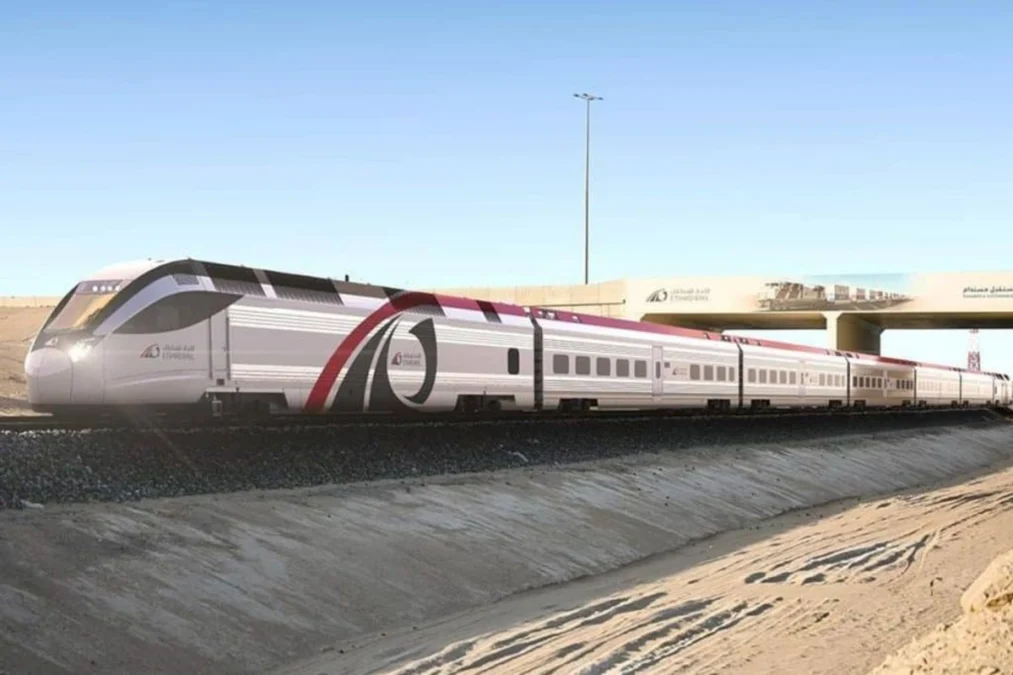
Etihad Rail’s first passenger trains reached Dubai on 29 September 2026. According to Dr Prabakaran Balasubramanian, Lead Researcher at the Advanced Materials Research Center, part of the Technology Innovation Institute of Abu Dhabi, smart rail maintenance should now be a priority. With the track laid, the focus is shifting to keeping it well maintained.
Why Smart Rail Maintenance?
Freight trains have been running across the UAE deserts for years, and passenger trains are now running along the same line. A GCC wide rail network is planned to be completed by December 2030. On the 8th November, a general agreement was signed between the six Gulf states in Manama. More and more trains will be running, meaning smart rail maintenance will soon be unavoidable.
Related Stories

How Traditional Rail Maintenance Works
Most railways have scheduled maintenance, either based on time or tonnage. This has served the industry well for over 100 years. However, it was designed to work with low volumes, cooler temperatures and long periods of closure during the night. Smart rail maintenance provides real-time data.
Why Smart Rail Maintenance is Difficult in the Gulf.
During the average afternoon, the rail can be around thirty degrees hotter than outside. The ballast, the stones that hold the rail in place, get packed full of sand. Large temperature fluctuations also cause the tiny fixings to wear down.
Maintenance visits to remote areas can be costly. Due to different conditions compared to Europe, models using data from there may not work well. Therefore, smart rail maintenance needs to be adapted to the desert.

How Smart Rail Maintenance Works.
All trains can be seen as free inspectors. Sensors are fitted onto the train and alongside the tracks. As the train passes, they can detect vibrations, noises, strain and heat. A piece of software reads through this data to find any early signs of issues, such as packed ballast, worn rails, misaligned rails and old welds.
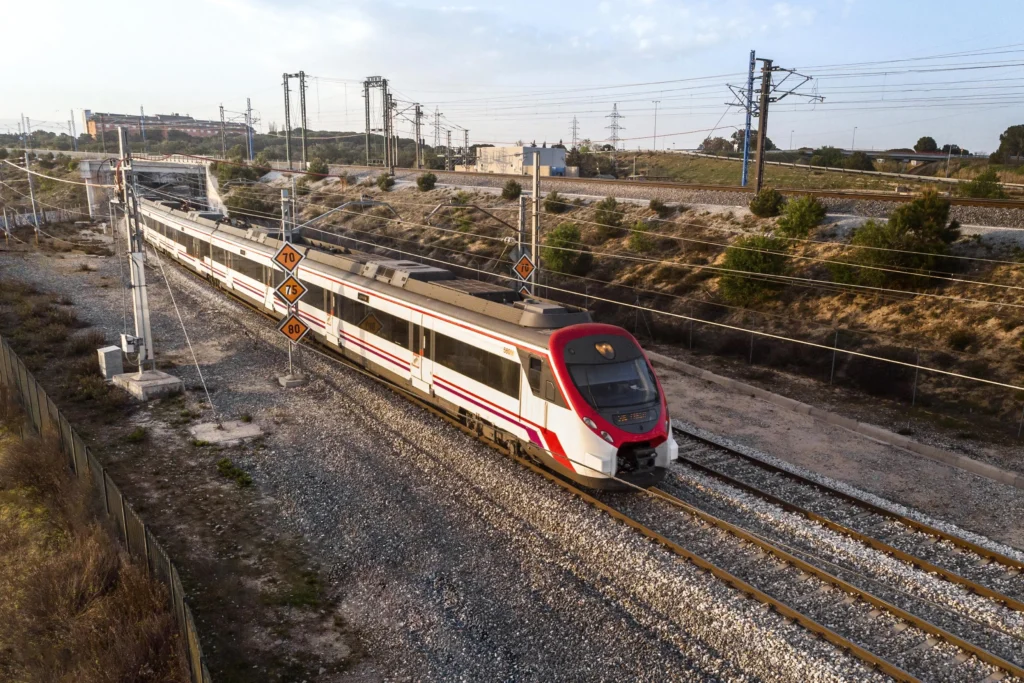
Not only will it alert you to an issue but will tell you exactly where the issue is, how severe it seems and how certain it is.
Related Stories

Then there are two extra levels of technology. A digital twin of the track means a computer can show us how quickly the issue is getting worse. Drones can be launched from the docks alongside the tracks to check switches and rails. Satellites can use radar to detect any ground movement as little as a millimetre.
Advantages & Real World Examples.
Smart rail maintenance helps to save money. If a crack is detected a month in advance, it can be fixed easily during the night. However, if it is detected at 4am, it can cause delays, closure of the line and risk of derailment.
This has already been done in the field. Within a freight corridor in the UAE a sensor system was attached to a wagon. Using vibration data and accurate positioning, it was able to detect sand within the track bed. Then engineers confirmed this using ground penetrating radar surveys.

Why Engineers Can Still Make the Final Decision.
Would you want a safety critical railway to be run by a piece of software? No. However, the model can give a reliable reason why it has flagged up an area. It will also admit if it is not sure.
A qualified engineer can then come and confirm it. Even the data used to train these models has errors. Smart rail maintenance is monitored by a piece of software, but the decision is made by humans.
The Bottom Line
A lot of money has already been spent on new rail lines within the gulf. However, a better question to ask is how well are our current rail lines doing? Smart rail maintenance can provide an answer. This can help keep these rail lines running for the next 50 years.
Also Read: Abu Dhabi Light Rail Project Ushers in Urban Transport Revolution


