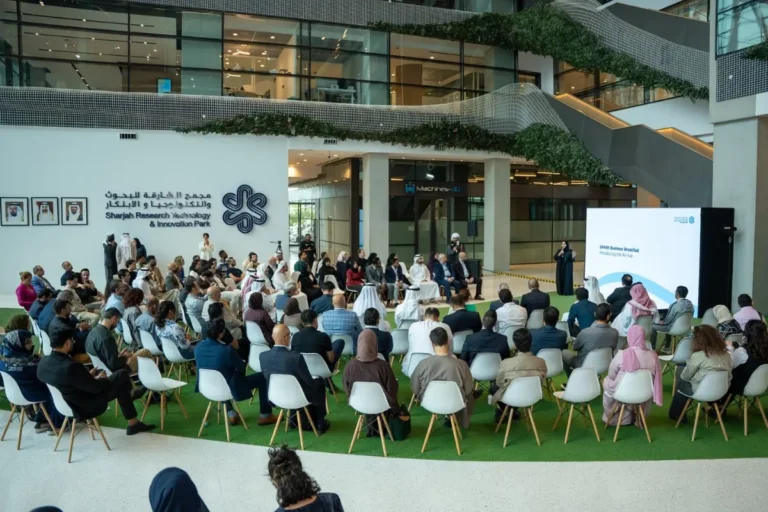

UAE February 14th, 2026: The United Arab Emirates (UAE) has introduced a new system governing the use of generative AI in schools, trying to find a balance between innovation and safety levels of students as well as academic integrity. This action is in line with the Ministry of Education 2026 Safe and Responsible Use of Artificial Intelligence in Classrooms guidelines that provide the clear rules regarding the utilization of AI tools in the classroom.
The main topic of the new policy is generative AI text, image, and other content-generating tools such as large language models and the types of ChatGPT. These technologies have the potential to help the learning process but also pose a threat in the case of improper use e.g. plagiarism, dependence on AI results, breach of privacy, or even viewing objectionable content.
Age Restriction: Under-13 Ban On Generative AI
The age limit is one of the greatest points of the generative AI recommendations. Students below the age of 13 and grade Year 7 learners are prohibited from using generative AI. The idea behind the ban is to safeguard younger learners against overdependence on AI and promote the process of learning the principles of foundation and creativity, as well as problem-solving independent of technological assistance.
The focus on generative AI demonstrates the desire of the UAE to make sure that those tools facilitate, but not eliminate, conventional ways of learning.

Social Responsibility In Use Of Generative AI In Schools
Students under 13 years of age, and those over 13 who are in the care of their teachers, should not be allowed to use generative AI without supervision by trained instructors, and should not use it in any other context. The Ministry openly prohibits:
- Application of AI in formal examinations or tests.
- Passing work by AI as original using anonymity.
- Reproduction or recreation of AI output without demonstrating actual knowledge.
The specified precautions are aimed at safeguarding the quality of learning and preventing cases when students would be dependent on the AI-generated materials yet fail to train their reasoning abilities.
Content, Privacy And Safety Safeguards
The codes of conduct contain tough regulations on the kind of generative AI application allowed in schools:
- Unsuitable content- content that does not conform to cultural, national, religious value is prohibited.
- Data privacy laws prohibit the input of personal information (including names, images, and contact details) into AI systems.
- It is also forbidden to share copyrighted content or make deepfakes.
The guidelines emphasize that generative AI ought to encourage learning and not evade privacy, ethical and academic practices.

Schools’ Responsibilities
The school administrators have the responsibility of making sure that the generative AI framework is followed. This includes:
- Preventing the usage of unauthorized or insecure AI sites.
- Refusing students the ability to go through blocks with the help of VPNs or wrongful accounts.
- Educating learners on the use of AI output to the best of their abilities.
Breaking of the guidelines will also be punishable and disciplinary measures will be taken by the existing educational policies.
Restriction Of Use Of Generative AI
The generative AI policies of the UAE are part of a more significant trend to technologize education and still maintain the values of learning. The introduction of age restrictions and stringent restrictions on the application of AI by the Ministry of Education is expected to enable students to utilize the new technologies in a responsible and sensible manner, which will make them ready to live in the world where AI literacy will become a more and more important part of education, but will not allow human creativity and knowledge to become the periphery of the educational process.
Also read: Open Masters Games Abu Dhabi 2026 Brings The World Athletes And Fans Together