Dubai, United Arab Emirates – January 11, 2026: The Shabat season is hailed as the coldest for the United Arab Emirates’ people and they are ready for it. It is expected to be the coldest period of the winter in the whole country, both urban and rural areas. A steep decline in temperatures is anticipated, and freezing mornings could soon become the norm. The Shabat season is a famous local weather period that indicates the severest winter conditions.
The Shabat season is slated to start on January 15 and last for 26 days until February 10. This time marks a strong drop in temperatures in many parts of the UAE. The National Centre of Meteorology and weather experts say this cold phase is part of nature’s cycle each year.
What the Shabat Season Means for Weather?
The Shabat season is the second part of winter that brings the coldest and strongest winds. During this time, cold winds come from the north and from areas near Europe and Siberia. These winds make the weather feel much colder than usual. Weather experts say the Shabat season brings two main cold phases. Each part lasts for thirteen days. Together, these make up the full 26-day Shabat season. This weather pattern has been observed for many years and is known for strong early-morning chills.
Temperatures in inland desert areas can drop below 8°C in the morning and may go lower than 5°C at times. This is much colder than the usual winter weather in the UAE. People living in the desert or open areas will feel the chill more than those near the coast. In coastal cities like Dubai and Abu Dhabi, the daytime weather will stay a bit warmer. However, mornings and nights will be cold.

Experts describe this period as the peak of winter, as it is the coldest part of the season. As the Shabat season moves past its midpoint, weather conditions will slowly improve. Wind speeds will lessen, and temperatures will slowly rise.
How Residents Should Prepare?
Residents and tourists will have to brace themselves for the drop in temperature. The use of warm clothes, jackets, and layered outfits is strongly recommended at this period. Families with kids and old people should be particularly careful during the day and at night. Driving in the early morning hours may require additional caution. Cold air is sometimes followed by fog and poor visibility, especially near highways and on open roads. Roads in the countryside and desert areas might feel significantly colder than city roads.
Weather forecast presenters in the area remind that the Shabbat season, besides having the usual implications of changing seasons, is also capable of altering weather patterns instantly. The conditions during the day might seem mild; however, the temperature can drop dramatically after sunset. It is wise to keep checking daily weather updates during this season.

Schools and outdoor events organizers should also be ready to face the winter weather.The cold that comes with the Shabbat season tends to have a negative impact on people’s willingness to do outdoor activities. If people are willing to make such easy adjustments as moving the activity indoors or delaying their early morning plans, then everyone will be safe and comfortable.
Those engaged in agricultural and horticultural activities as well as those who keep their plants outside need to take measures to ensure the survival of their plants through the winter period. It is a matter of fact that not all species will tolerate the temperatures below or around 5°C. One of the best means to protect sensitive plants from being affected is to cover them.
Staying Warm and Prepared as the Shabat Season Brings Peak Winter Cold
Reptiles and birds are also recommended to have their habitats well heated outdoors by the weather experts. The Shabat period is particularly harsh for all outdoor animals as the low temperatures and winds are more than difficult for them to bear.
On the coldest days, the family can have fun indoors and drink hot beverages. Still, people gradually associate the Shabat season with the rare and wonderful winter sensations, so to speak. Hot drinks and snacks emerge victoriously at this war between the cold and the indoor comforts.

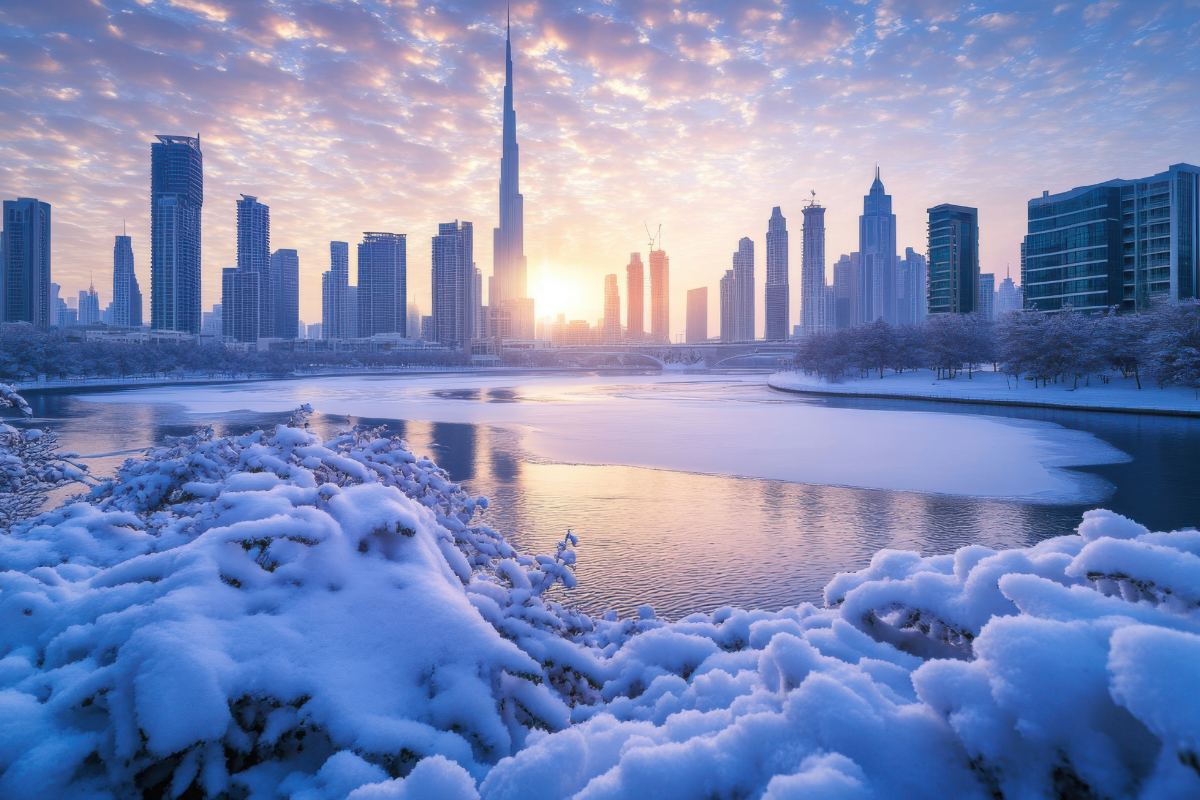
The Shabat season indicates freezing temperatures, yet it does not mean snow for the majority of the UAE. Snowfalls are rare and restricted to a few days on the tallest mountain ranges. Nevertheless, the cold will be strong enough to create a winter spell from morning to night in many areas.
The Shabat season will come to an end with a gradual freeze as the end of February approaches. The weather will transition into a slow warm-up as spring approaches after this cool period. Such a transition would enable the enjoyment of milder days and pockets of much-reduced winds.
As the UAE region undergoes this cold spell, the message to all residents is unambiguous- stay warm and safe and prepare for a Shabat season of 26 days with the cooler weather.
Also Read: Etihad Rail New Stations Announced: UAE Reveals 7 Stops for Nationwide Passenger Rail Network