December 10, 2025 | Dubai, UAE: As the nation continues to experiment with the rules to curb traffic and improve regulations, these newly adopted UAE highway speed rules will redefine the system. With the latest infrastructure and stern rules, commuters across the city need to be vigilant.
The latest UAE highway speed rules were introduced with a vision to reduce accidents, curb traffic, and ensure that travelers easily adapt to changes, which is necessary for everyone. From multiple changes introduced, these reforms affect drivers and commuters. Embracing these new rules is about avoiding penalties and ensuring safer driving.
Key Updates Under UAE Highway Speed Rules
- Newly Introduced Speed Limits
One of the crucial elements of the UAE highway speed rules is the speed limit. By introducing a high-end system, also known as the Variable Speed limit system, it manages speed according to congestion or infrastructure conditions, such as smog, rain, or sandstorms. If perceptibility is low or congestion increases, the limit reduces automatically and returns to normal once the condition improves.
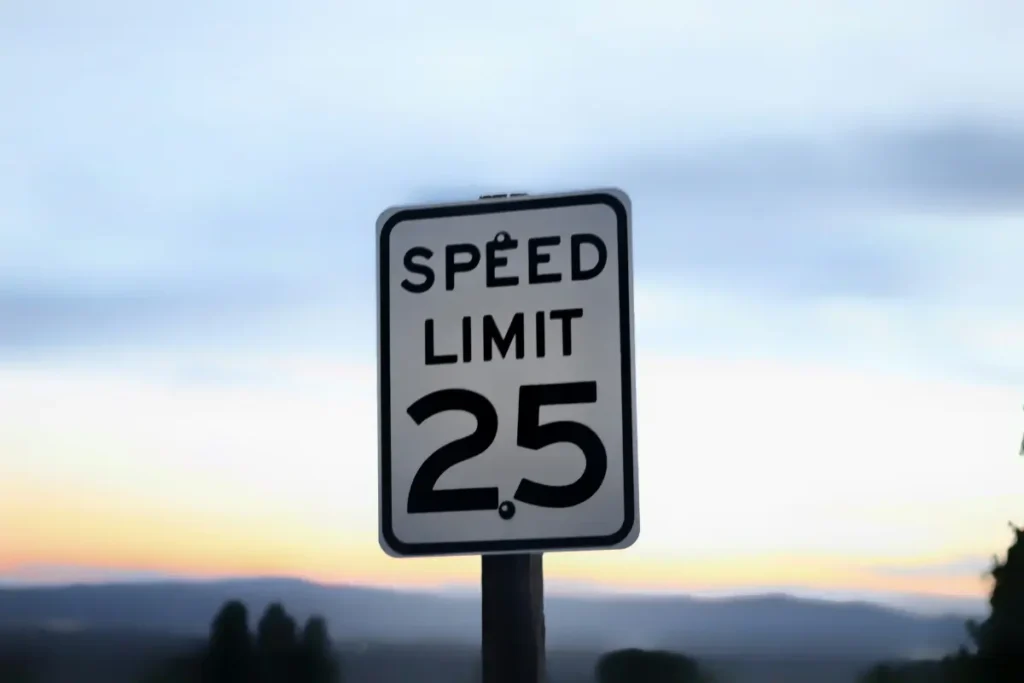
For commuters, this means being vigilant at the signal rather than relying on static boards. If you are given a limit on the electronic signal, you must follow it. Organizations state that the latest structure is to avoid mishaps and curb traffic on the busiest routes.
- Speed Caps on Highways
In the initial months, speed limits were decreased on two major highways that are crucial to interconnectivity. It showed the nation’s vision to ensure high safety under the updated UAE highway speed rules.

- On Sweihan Road, the limit was reduced to 100 kmph.
- On Sheikh Khalifa Bin Zayed International Road (E11), linking both cities, the limit was reduced to 140 kmph.
It leads to fewer accidents and allows drivers to adhere to the limit without causing any friction. Drivers who use these routes need to redevelop their speed and actions.
- E311 Minimum Speed Rule
Another change that was brought in the UAE highway speed rules was the removal of the minimum speed regulation on the E311 route, which is a highway used by individuals between the two cities. Formerly, automobiles on the two left-most routes were required to maintain a limit or face penalties, but the rule has been removed.

The decision was made to reduce congestion, especially for vehicles that were heavily congested at irregular speeds. The maximum speed limit is 140 kmph. The regulation displays a balanced approach towards the UAE highway speed rules across diverse traffic conditions.
- Ajman’s Speed Limit Technology in Taxis
The city has introduced new speed-limiter devices across taxis, which is a cornerstone of the UAE highway speed rules.
The new model will have:
- GPS-based mapping
- Automatic adjustments to the speed limit zone,
- Real-time monitoring
- Avoid instant speeding and accurate speed limits.

This change facilitates security, reduces risks, and ensures compliance across automobiles.
- Delivery Bike Ban From Left Lanes
The key aspects to reduce mishaps are to remove motorists from the left lanes. The city has introduced new lane use rules under the UAE highway speed rules.
According to these rules:
- Bikes are banned from the two leftmost lanes on the five-lane road.
- For the 3-4 lane roads, motorists may not use the leftmost route.
- On 1-2 lane roads, there are no bans.

There is a range of penalties: 500 dirham for the first time, 700 dirham fines for the second time, and suspension of the permit for the third time. Moreover, motorists exceeding a speed limit will face stringent penalties, defining compliance with the rules within the spectrum.
- Enhanced Speeds after Truck Restrictions
The latest regulation introduced at the beginning of the year placed restrictions on multiple roads for trucks. The rules apply during peak hours when the roads are busiest. The results have been in favour and support the UAE highway speed rules. It also led to a drop in accidents compared to the previous two years.

The compliance also improved on salient routes. The average speed increased to 26 kmph and 19 kmph on crucial routes. The authorities confirmed that enforcing these restrictions during peak times reduces congestion, curbs traffic, and also enhances vehicle movement.
The set of rules introduced this year highlights one of the noticeable transformations under the UAE highway speed rules. From over-speeding rules to delimiters, the city’s rules contribute to a secure, vigilant environment. As these nuances continue to shape the spectrum, commuters who are well aware and adaptable will benefit. Following the new regulations, respecting the rules, and adopting these changes will lead to mobility for each individual.