
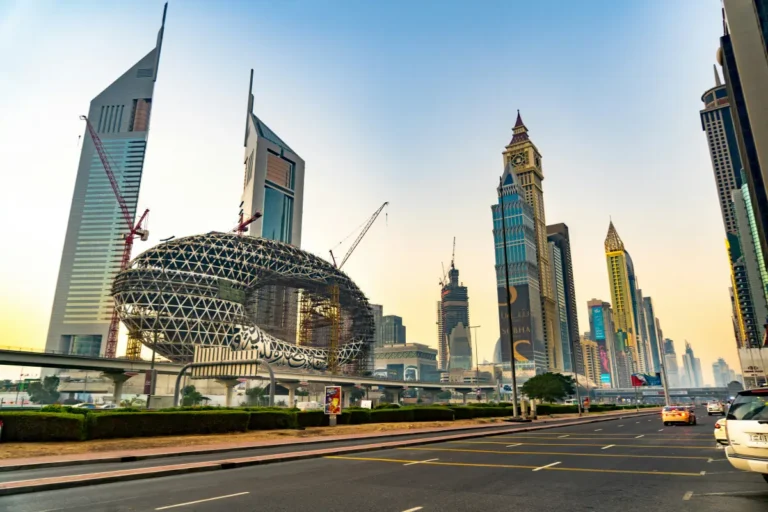
December 12, 2025 | Dubai, UAE: The United Arab Emirates (UAE) is bringing a broad range of reforms and projects as of 2026, including tax and environmental reforms as well as futuristic transport and educational ones. These 12 UAE new rules for 2026 are meant to transform ordinary living to the residents, in the areas of economics, mobility, lifestyle, as well as infrastructural areas.
The UAE New Rules For 2026
- Sugar tax on drinks
Tax on softened drinks will cease to be a uniform 50 percent excise tax depending on category of the product beginning January 1, 2026. Rather the levy will be changed depending on actual sugar content.

The idea behind it: to promote more healthy preferences of the consumers and price them more in accordance with the nutritional value, one of the UAE New Rules For 2026.
- Ban on single-use plastics
Beginning the same date, UAE New Rules For 2026:, the nation will place a nationwide ban on importation, production and trade in single-use plastic materials. This builds on past campaigns (e.g. the 2024 plastic bag ban) and includes such products as plastic cups and lids, cutlery, food containers, plates, etc. of plastic waste.

This relocation can be seen as a powerful environmental initiative, which will eliminate pollution and make the Emirates more sustainable.
- New VAT rules
With UAE new rules for 2026, the UAE will streamline and revise its value added tax (VAT) policies in the year 2026. Some of the alterations include, taxable persons will no longer have to issue self-invoices when making use of reverse charge mechanism. Furthermore, the maximum request period of excess refundable tax following reconciliation will be five years.
Such amendments for UAE New Rules For 2026 are meant to simplify and make predictable the tax compliance by both businesses and individuals.
- Broader tax reforms
In addition to VAT adjustments, the tax changes in the UAE New Rules For 2026 will provide more straightforward guidelines and due dates – particularly regarding the refunds. Meanwhile, the Federal Tax Authority (FTA) will experience increased authority to audit and investigate.
This will be more open to taxpayers, and maybe more vigilant, but it will also be a more predictable and stable tax regime.
- E-invoicing as compulsory to companies.
The UAE New Rules For 2026 will introduce a national e-invoicing system that will be implemented starting mid-year. According to this rule, companies will be required to share invoices in a standardized electronic format – no longer PDFs or scanned documents.

The reform in UAE New Rules For 2026 is supposed to make the invoicing automated, comply with the tax laws, minimize the paperwork, and accelerate business processes.
- Standard Indian curriculum school calendar.
Starting April 2026, Indian curriculum schools all over the UAE are to switch to a new coherent academic schedule, as established by the Ministry of Education (MOE).

Historically, most of these schools had a January-December school year. This transition to a common time is a major change to students, parents, and educators, as well as a way of simplifying the education scheduling.
- Rail network passenger operation commencement.
The most expected infrastructural change amongst the UAE new rules for 2026 is the countrywide railroad called Etihad Rail, which will start carrying passengers by 2026.

The network will be interconnected with 11 key cities and regions within the UAE when in operation, thus making traveling in the country easy. That may redefine commuting behavior, influence real-estate dynamics and create economic connections between regions.
- Flying taxis are a reality.
As an advance to the next level of mobility, the UAE will launch airborne cabs in 2026 electric vertical takeoff and landing (eVTOL) aircraft. They are being accommodated by converting over 100 heliports into so-called vertiports.
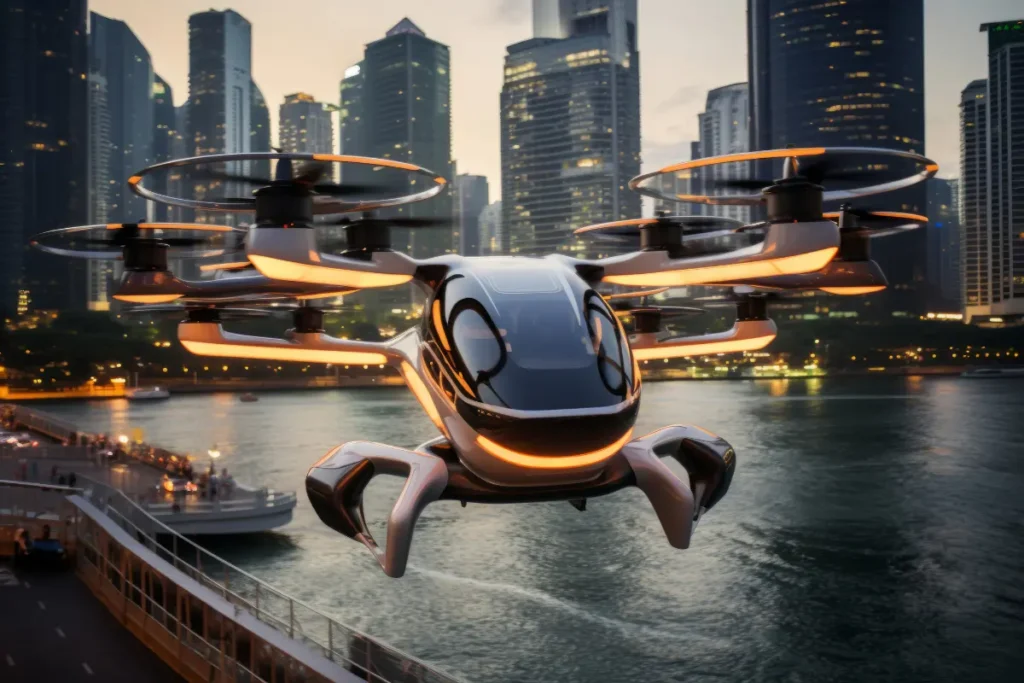
It is expected that the plan will consist of the global manufacturers of eVTOL collaborating with the UAE organizations. The test flights already in progress give an idea of what commuter travel would probably look like in the nearest future.
Travels that could once be covered in hours are soon to be covered in minutes.
- Robotaxis on UAE roads
Robot cars, also known as self-driving taxis or robotaxis, will enter the roads along the key highways like the Sheikh Zayed Road in Dubai by the year 2026.
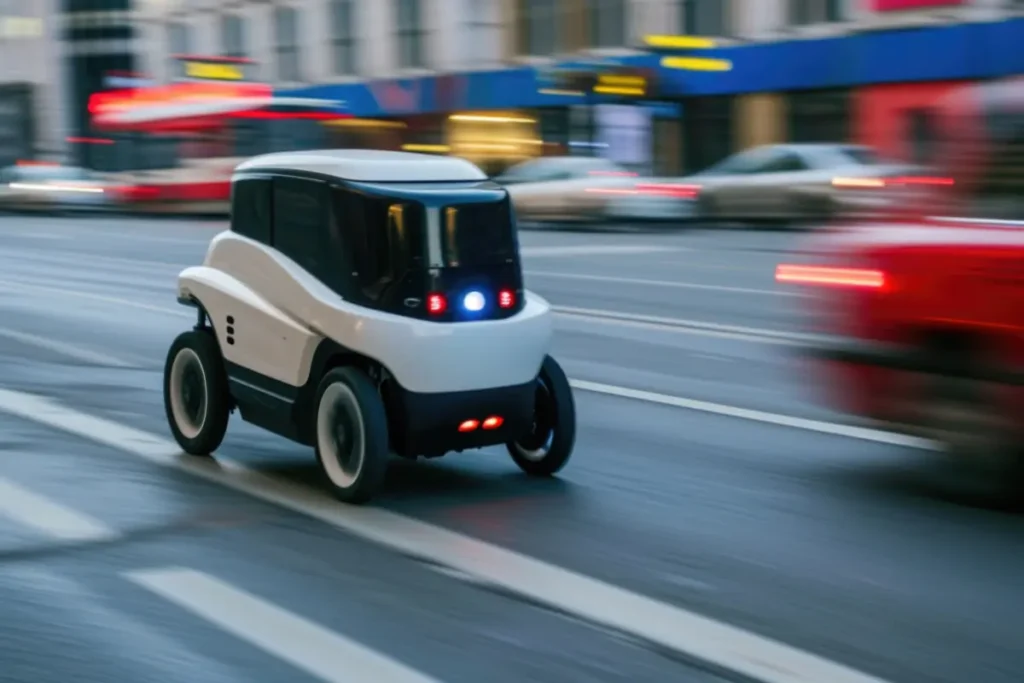
These robotic taxi cars, some even fitted with massage seats in comfort, are being tested now at trial stages and they can travel up to 72km/hr.
- Subway: The Dubai Loop.
The future transport project Dubai Loop is an underground 17 km weatherproof transport system that is ambitious and that may be in operation in the year 2026.
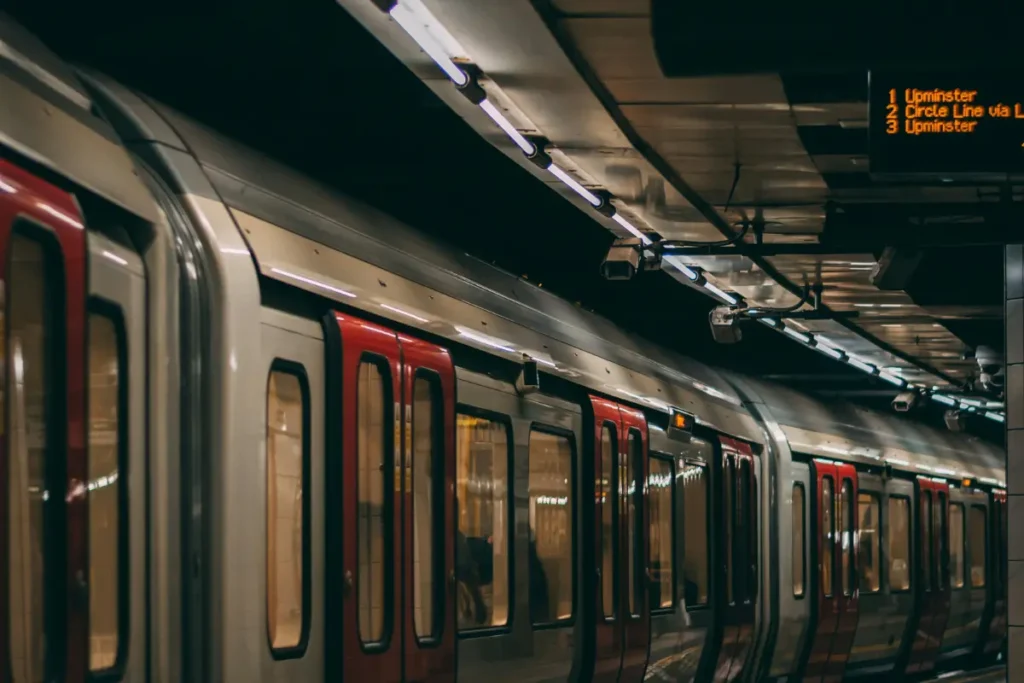
The Loop is one of the most daring infrastructural concepts the UAE has initiated with the UAE new rules for 2026, in order to provide fast and efficient transportation within Dubai.
- Bigger GITEX Global in Expo City Dubai.
GITEX Global, the flagship technology event in the UAE will be hosted in Expo city Dubai in 2026. The organisers intend to make the event to span across the whole city.
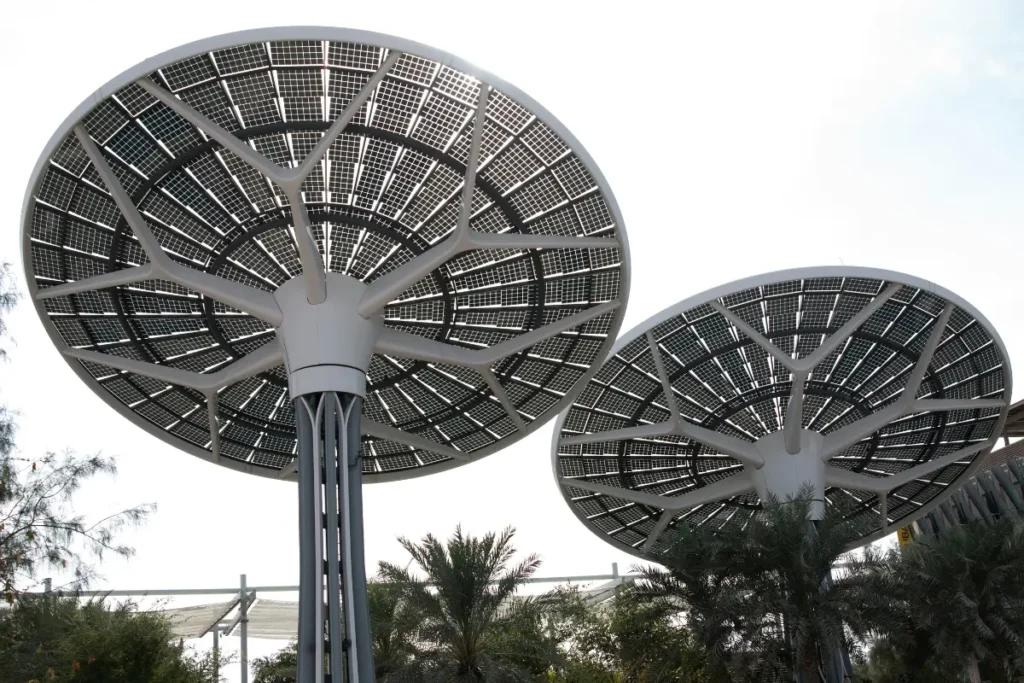
This growth will bring an additional group of international tech executives, investors and innovators on board – strengthening the vision of the UAE as a global business hub in technology, innovation and business lookers.
- Dubai World trade centre Roundabout revamp and re-opening.
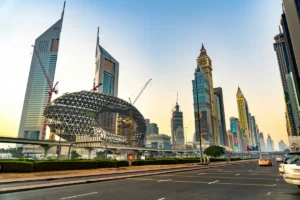
Lastly, to facilitate the easing of traffic, a historic roundabout in Dubai, the World Trade Centre Roundabout is being converted into an intersection on the surface that will have five new bridges.
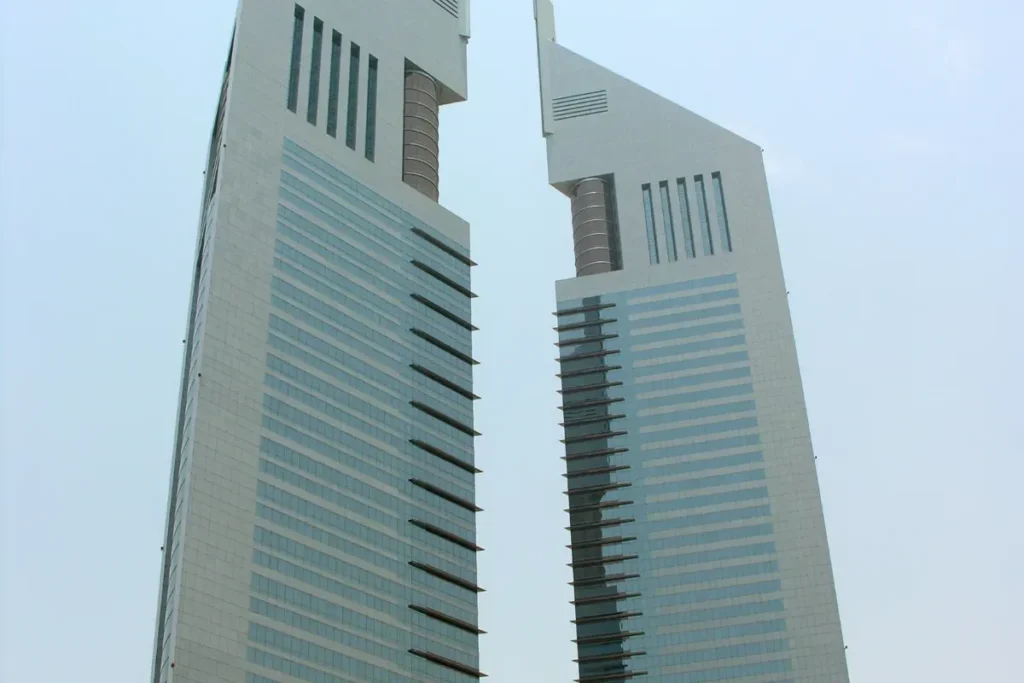
The upgrade of this infrastructure will increase the capacity of the junction twofold and reduce by an average of 12 minutes to only 90 seconds a delay. The proposal sees the opening of two of the new bridges, the first one in March 2026 and the second one in October 2026.
Changes By UAE New Rules For 2026 To Implicate On The Residents
Collectively, the 2026 reforms portray the desire of the UAE to modernize fiscal policy, achieve sustainability, enhance infrastructure, and revolutionize mobility, be it high-speed rail, flying taxi, or robotaxis.
- Consumers: The plastic ban and sugar-tax reform can affect the retail prices and consumption behaviors, pushing households to healthier and more environmentally friendly options.
- Businesses and taxpayers: Changes in tax, VAT, and invoicing regulations as well as better audit authority imply more adherence and record-keeping, yet there is better transparency and fixity.
- Commuters and travellers: With rail, autonomous cabs and underground transport all moving online commuting has a potential to become faster, greener and more efficient.
- Students and families: The consolidated academic timetable of Indian schools can necessitate adjustments of planning, but offers coordinated timeframes in the whole country.
- Innovation and international business: As the GITEX Global expands to Expo City Dubai, the UAE will be even more attractive as a technological center worldwide, welcoming investors, startups, and talent.
The Vision For UAE New Rules For 2026
The vision of 2026 in the 12-point package of the UAE is an assertive move towards sustainability, technological advances and an efficient structure. Although there are certain changes which might require a certain time to be implemented fully and their effects could differ depending on emirates and sectors, the trend is evident. The nation is planning to live in a future when the equality of taxation, environmental friendliness, and futuristic mobility collide.
Being knowledgeable and keeping up will be one of the most important aspects for residents, businesses, and visitors to take advantage of and adjust to this quickly changing environment. Next year will be groundbreaking for life in the Emirates.
Read More: UAE Highway Speed Rules: 6 Strict 2025 Updates- Fines, Limits & Safety Tips Revealed