

The local property market moves exceptionally fast and features many complex layers. Consequently, reading daily headlines can easily leave a new investor feeling completely overwhelmed. For example, one report might celebrate historic price surges while another warns of impending stabilization. Therefore, the official Dubai real estate index matters immensely to anyone trying to navigate the landscape. This index serves as a reliable field guide for understanding real market direction.
Instead of looking at raw numbers, the index allows you to map out human realities. It shows you exactly how much energy, time, and patience different sectors will demand from you. Thus, you can view the entire landscape clearly without getting lost in confusing corporate jargon. The index converts chaotic market noise into a highly structured, visual tool for decision-making. Ultimately, it gives you the vital orientation you need before spending your hard-earned money.
Related Stories

Reading the Market Before Entering It
The official Mo’asher index is the city’s primary data-driven real estate benchmark. The Dubai Land Department publishes this crucial tracking data monthly in partnership with Property Finder. Therefore, the index relies entirely on actual, verified sales transactions rather than emotional asking prices. This structural reality provides a highly accurate picture of true consumer sentiment on the ground. Consequently, first-time buyers can use this objective data to validate what brokers tell them.
Understanding this tool prevents you from making costly mistakes during your initial search phase. Furthermore, the index breaks the city down into distinct geographic zones and asset types. This means you can track apartments, villas, and off-plan projects completely independently of each other. Because it isolates these specific segments, you can see exactly where real value is growing. Therefore, reading the Dubai real estate index is your essential first step toward market literacy.
Where Money, Time, and Patience Go
Every property sector demands a completely different type of investment from a buyer. For instance, the luxury villa segment requires a massive amount of upfront capital from day one. However, it usually asks for very little of your daily time or administrative attention. Conversely, the affordable apartment sector demands much less cash but requires significant property management effort. Therefore, you must calculate your personal bandwidth alongside your available financial resources carefully.
Related Stories

The latest market statistics from Driven Properties reinforce this critical need for balance. Their data reveals that Dubai recorded 125,538 real estate deals valued at AED 431 billion in H1 2026. Within that massive wave of activity, a record 59,075 new investors entered the local market. Meanwhile, many of these fresh buyers discovered that managing tenants takes considerable patience. Thus, the Dubai real estate index helps you balance your financial goals with your lifestyle reality.
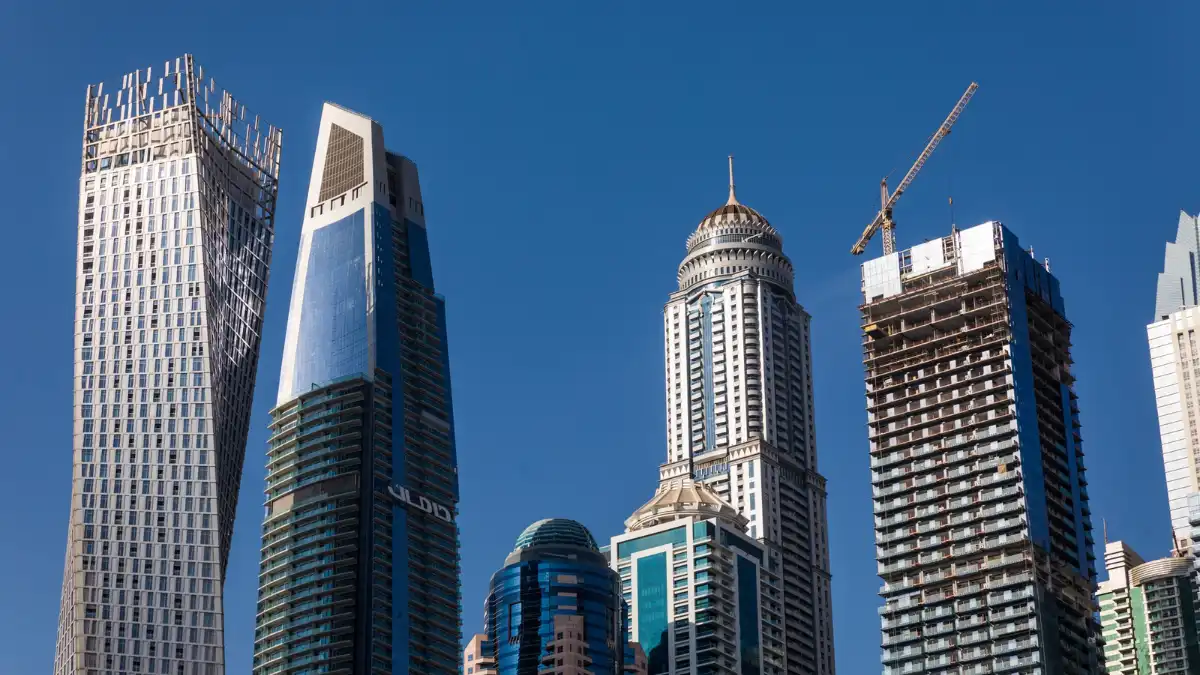
The Sectors That Move Fast, and the Ones That Do Not
The off-plan development sector currently moves at an incredibly rapid pace across the emirate. Driven by high investor demand, new project launches sell out within a matter of hours. Therefore, this specific segment requires lightning-fast decision-making and a high tolerance for structural waiting. You must trust the developer completely while your unit is being constructed over several years. Consequently, the off-plan index reflects high-energy speculation and rapid future value appreciation.

In contrast, the established secondary market moves much slower but offers immediate structural certainty. When you purchase a ready-to-own apartment, you can see the building quality with your own eyes. Furthermore, you can begin collecting consistent rental income almost immediately after signing the contract. According to the DLD annual report, the secondary market captured 78% of non-developer transactions via the REST app. Therefore, the steady Dubai real estate index tells a story of stability and long-term security.
What the Index Tells a First-Time Reader
As a new reader, you should look at the index as a personal reality check. For example, if the index shows a steep vertical line, that specific sector might be overheated. Therefore, you might want to adjust your strategy and look for a steadier segment instead. Additionally, look closely at the relationship between transaction volumes and overall price growth. High volume paired with flat price growth usually indicates a highly sustainable, healthy market foundation.
Furthermore, look at the real-time rental index data to calculate your true net yields accurately. If rental index curves dip while purchase prices rise, your immediate returns will shrink. Because the DLD’s Smart Rental Index uses advanced AI, you can benchmark individual buildings instantly. This specific data prevents you from overpaying based on generic neighborhood averages. Thus, the Dubai real estate index gives you the exact facts needed to negotiate confidently.
Related Stories

A Map, Not a Verdict
Ultimately, you must remember that a real estate index is a map, not a verdict. It cannot tell you exactly which individual apartment or villa will suit your family best. Instead, it shows you the layout of the financial terrain so you can walk through it safely. Therefore, the data empowers you to make intelligent choices based on facts rather than fear. You become the pilot of your own investment journey through the city.
By learning to read the market trends, you remove the anxiety of the unknown completely. You can spot genuine opportunities long before the general public notices them in the news. Furthermore, you can protect your capital during cycles of market correction by moving into defensive assets. Therefore, the Dubai real estate index transforms you from a confused spectator into a highly sophisticated market participant.
Read More: Commercial Real Estate As A Quiet Growth Engine