November 15, 2025 | Dubai, UAE: Dubai is launching an ambitious transformation through the Dubai Walk Master Plan. The Future Loop is the main characteristic of this plan, which will change the way people travel in the city. The plan published by His Highness Sheikh Mohammed bin Rashid Al Nakibat in December 2024 provides 6,500 km of contemporary walkways, which will span 160 areas in the emirate. It also requires 3300km of new routes and renovation of 2300km of the existing routes by 2040, with an extra 900km to follow later.
The vision of the Dubai Walk Master plan is to increase pedestrian and soft-mobility travel by 13 per cent to 25 per cent by 2040, and encourage a healthier and more sustainable city of Dubai. It also entails the construction of 110 new pedestrian bridges and tunnels to enhance the network of the busy metropolis and improve safety.

Future Loop: The Crown Jewel
The main aspect of the Dubai Walk Master Plan is the Future Loop. It is a 2 km elevated walk, which is found around the Museum of the Future, connecting landmarks like the Dubai World Trade Centre, Emirates towers, and Dubai International Financial Centre to different metro stations. It is 6 to 15 meters wide, which strikes a balance between the city environment and its impressive design.
It is a climate-controlled loop with 30,000 m² of air-conditioned space that makes walking the loop pleasant on hot summer days. Its shaded and landscaped areas, which occupy an additional 30,000 m2, also minimise ambient heat and create more comfort for the visitors.
Revolution in Traffic Solution and Infrastructure
The Dubai Walk Master Plan also improves roads. Close to the Future Loop, the government is constructing 6,200m of car-based bridges and tunnels and transforming the Trade Centre Roundabout to a ground-level crossing. The upgrades will facilitate traffic across seven neighbouring areas and accommodate some 500,000 residents and visitors.
The capacity will be expanded by 30% where 9,000 to 12,000 vehicles will be allowed per hour, with the travel time being reduced by eight minutes and a little more than three minutes, respectively. These actions will not only help pedestrians but also drivers, which reflects how holistic the plan is regarding the movement in the city.
The argument for the 20-Minute City Concept
The Dubai Walk Master Plan fosters the 20-Minute City target, which will see 80 per cent of the population access the most important services within a 20-minute trip by 2040. The scheme provides an alternative to cars by connecting walkways with the metro, tram, and cycling network.
The pedestrian walkway will have three Red Line metro stations, which will also promote the use of public transport and reduce carbon emissions. This integration is in line with the Clean Energy Strategy as well as the Quality of Life Strategy 2033 of Dubai.
Business and Social Aspects
Other than transport, the Future Loop includes commercial shops, leisure and cultural facilities, and is therefore one of the liveliest public spaces that encourages social interaction and belonging to the community. The project is a government-business venture that aims to impact the economy and benefit the people.
An intelligent application, which is released with the Dubai Walk Master Plan, allows users to follow walking routes, time, and distance to use the pedestrian network of Dubai. The application will reward steps with points that can be used to get discounts and wallet credits on the phone, a brilliant method of encouraging an active lifestyle.
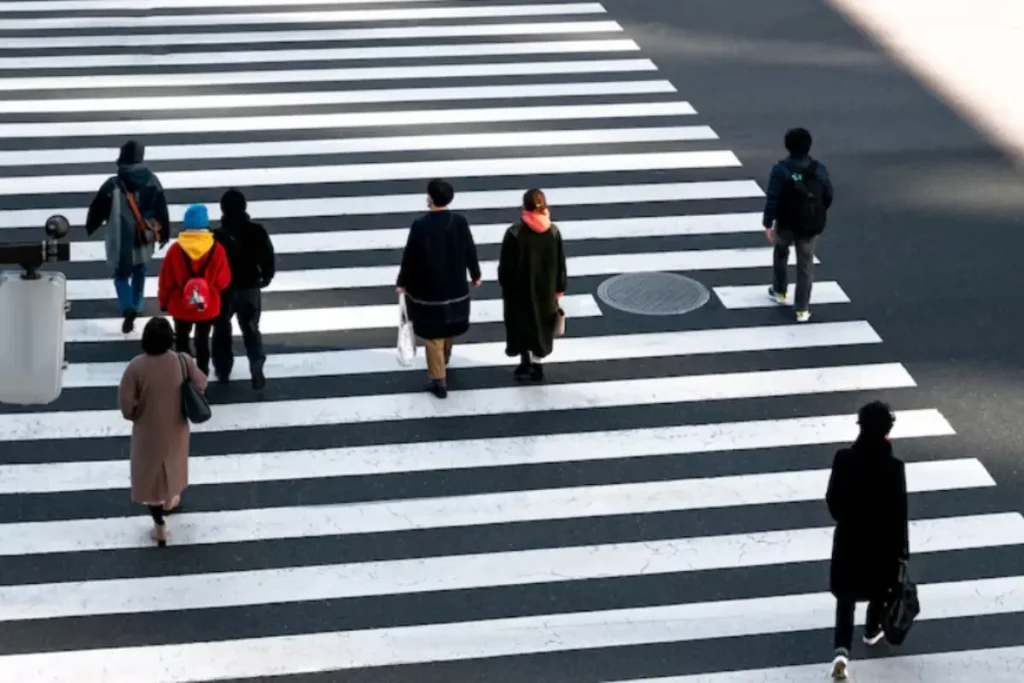
As the plan moves from the 2027 pilot phase toward full completion in 2040, the Dubai Walk Master Plan positions Dubai as a global leader in pedestrian‑friendly design, creating an environment where walking is not just possible but the preferred way to navigate this futuristic metropolis.
Read More: UAE Strategic Vision 2025: A Blueprint for Global Leadership