
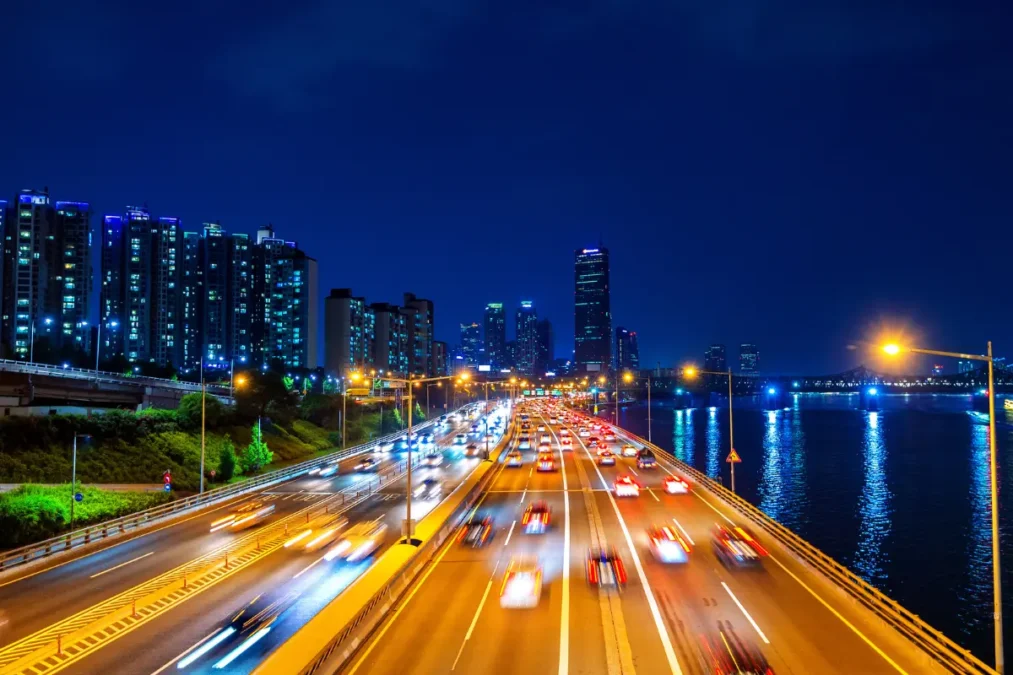
December 11, 2025 | Dubai, UAE: As 2026 approaches, it is therefore the duty of the dwellers in the United Arab Emirates to familiarise themselves with a set of sweeping changes in vehicular laws. The UAE new traffic rules show a continued commitment of the federal administration to enhance road safety, reduce congestion and modernise transportation facilities. Since the adjustments to the collection of tolls up to the banning of certain types of vehicles, the holistic view of those alterations is prerequisite to prevent fines and ensure the health and safety of commuters.
Latest UAE New Traffic Rules
The second half of 2025 has recorded unprecedented forms of UAE New Traffic Rules that are being designed to address the rising cases of traffic challenges. The developing UAE traffic laws are based on a continuum between recalibrated toll rates up to the establishment of exclusive lanes, thus making it one of the most comprehensive road governance reforms in recent history. The ensuing discussion explains ten significant changes that domiciled citizens should acculturate.

- Darb Toll System Revision Abu Dhabi
One of the most significant of the new requirements of the UAE New Traffic Rules is the revision of the Darb toll regime in Abu Dhabi, which will become effective on 1 September 2025. The Integrated Transport Centre currently imposes evening tariffs between 15:00 and 19:00 on Monday up to Saturday, and thus the time frame is now 15:00 to 19,00, which is an extension of the previous 17:00 to to19:000 time.
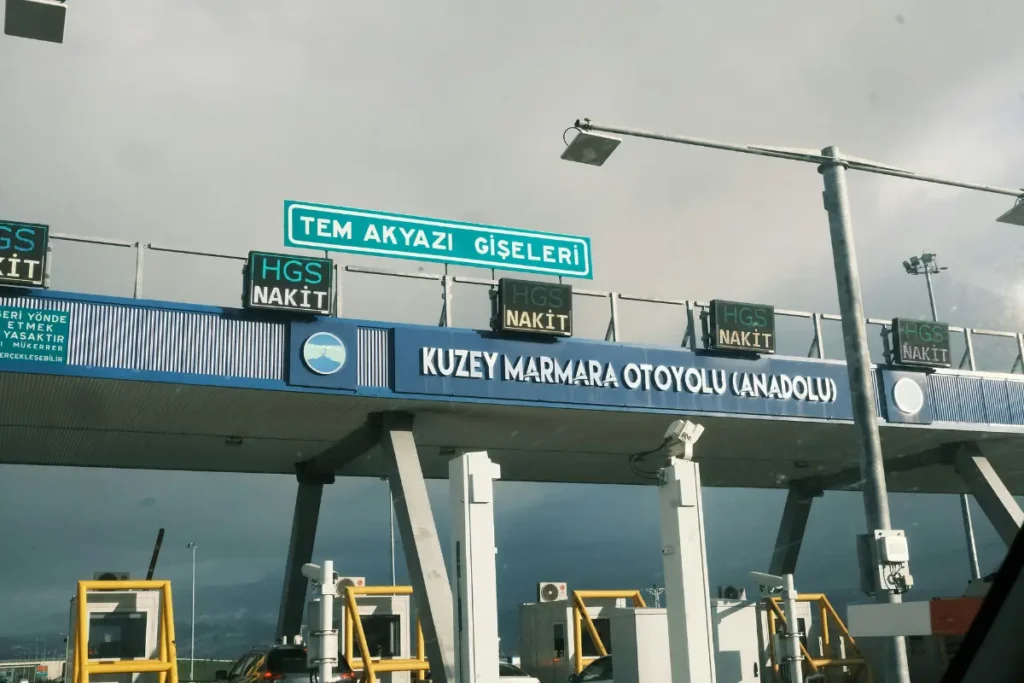
Hours of morning tolls are not changed, and Sundays and official public holidays are exempt from paying tolls. Besides, these UAE New Traffic Rules have eliminated the daily and monthly toll limit on the personal motor vehicles; however, the waivers on Persons of Determination, low-income households, elderly and retired are still in place. The general logic here is to maximise traffic flow and reduce congestion at the peak times, which will result in the motorists revising their travel timetable.
- Variable speed limit system on Sheikh Zayed bin Sultan Road
The UAE new traffic rules are also characterised by innovative sensor-based technology. Refer to the example of Abu Dhabi, where a variable speed limit system is deployed on the Sheikh Zayed bin Sultan road as of 27 October 2025. Sophisticated signage now controls speed limit based on real-time information, including congestion indicators, reports of incidents, construction areas, and weather forecasts.
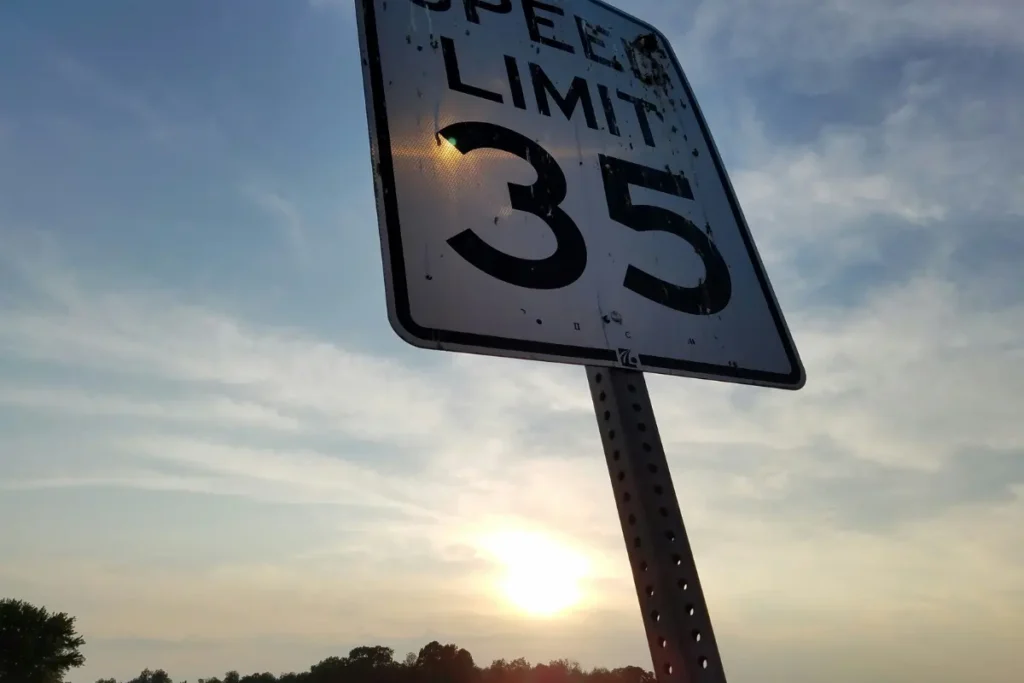
It is described as a dynamic approach to methodology, indicating a getaway of the fixed speed limits with the controlling device communicating with a centralised node where inputs of roadway sensors and traffic cameras are integrated. The UAE New Traffic Rules makes roads safer as it allows the adjustment of allowed speed according to the changing environmental and operational conditions, as opposed to keeping strictly context-independent limits.
- Dubai Lane Delivery Rider Restrictions
Following the safety concern, the UAE New Traffic Rules introduced provisions to protect motorcyclists in Dubai, which became effective on 1 November 2025. The delivery motorcycles are no longer allowed to be used in the high-speed lanes; the exact limitations depend on the roadway width.

Delivery vehicles can use any five or more lanes on the roads; on three- or four-lane streets, motorcyclists are expected to use the left lane; on dual streets, motorcyclists can use whichever lane they prefer. A thorough signage has been placed all over the city to heighten compliance, as part of the aim to protect the vulnerable road users against high-velocity crashes.
- Specialised Vehicle lanes in Sharjah
Sharjah has been keeping up with the other emirates by implementing UAE New Traffic Rules within the bounds of these new statutory laws that became effective on 1 November 2025. The right-hand lane is currently designated as a heavy trucks and buses only lane, with motorcycles being restricted just like they are in Dubai.

In four-lane roads, the two outer-right lanes can be used by the operators of the motorbikes; the same is the case in three-lane roads, where the middle or the right lane can still be occupied, but in the case of dual lanes, the motorcyclists can only use the right lane. Constant monitoring through hi-tech camera systems makes sure that compliance is carried out round the clock, thus making it important that compliance is followed with strict discipline in order to avoid punishment.
- Intelligent Traffic Speed Limiters in Ajman taxis
Ajman was the first emirate to take a technologically advanced action for UAE New Traffic Rules, placing smart speed limiters on taxi fleets and limos all around the emirate. This first system is able to automatically limit vehicle speed to comply with real-time local speed laws, whether the throttle was engaged or not.

As such, they are not allowed to exceed the limitations of speed. The project is an excellent example of how the enforcement of potentially dangerous driving habits through the use of passive technologies can reduce the dangers of traffic violations, which, in turn, supports the effectiveness of traffic control.
- Ban on Heavy Vehicles in Abu Dhabi Routes
Substantive restrictions have also been introduced with effect from 1 December 2025, when trucks will be prohibited from crossing Sheikh Maktoum bin Rashid Road (E11) and Al Raha Beach Road (E10). The heavy traffic is then diverted to Al Faya -Saih Shuaib Road (E75) and Al Hafar (Al 23).

Moreover, these UAE New Traffic Rules impose peak-hour restrictions on the Al Rawdah Road (E30) in the Musaffah industrial area, which do not allow the passage of trucks between the Bridges Complex and the intersection of the Sheikh Khalifa bin Zayed International Road during the morning and evening rush hours, thus rerouting the traffic through the ICAD Bridge. Such measures protect the integrity of infrastructure and, at the same time, promote easier traffic movement and a reduction in the risk of collisions.
- New Solid Lane Markings in Dubai
Dubai drivers have witnessed the introduction of continuous white lines of no passing lanes in November 2025 as a part of the new traffic laws. Permanent prohibitive lines have been used on the Ittihad road, Baghdad street, Airport tunnel, E311 and E611, which are also being monitored by overhead cameras.

Violation of these marks to pass or to move lanes or to make a turn produces a Dh400 punitive fine. The lack of official statements is still awaited, but anecdotal data shows that non-observance is already being penalised with financial fines, which means that heightened awareness among everyday commuters is needed.
- Modifications in the Taxi Fare Structure in Dubai
In November 2025, the Roads and Transport Authority have declared updated taxi tariff systems, thus incorporating new fiscal measures in the overall range of traffic regulations. Minimum fares have increased to Dh13, whereas variable peak-hour rates and booking charges vary depending on the weekday.

On Mondays to Thursdays, peak windows (08.00-9.59 and 16.00-19.59) now have a Dh5 flagfall and a Dh7.5 surcharge. Peak rates at the weekend are relatively varied, with Friday peaks of 08:00-09:59 and 16:00-21:59. The changes help to control demand during peak hours and maintain the profitability of the business taxi services.
- Parkin Integration of the Dubai Police Systems
The creation of a synergistic model connecting Parkin parking services to Dubai Police traffic management systems was established in October 2025 and thus, is a new enforcement tool in the new traffic law. When entering Parkin facilities, police staff are able to recognise and arrest vehicles with unpaid fines or a seizure warrant right away.
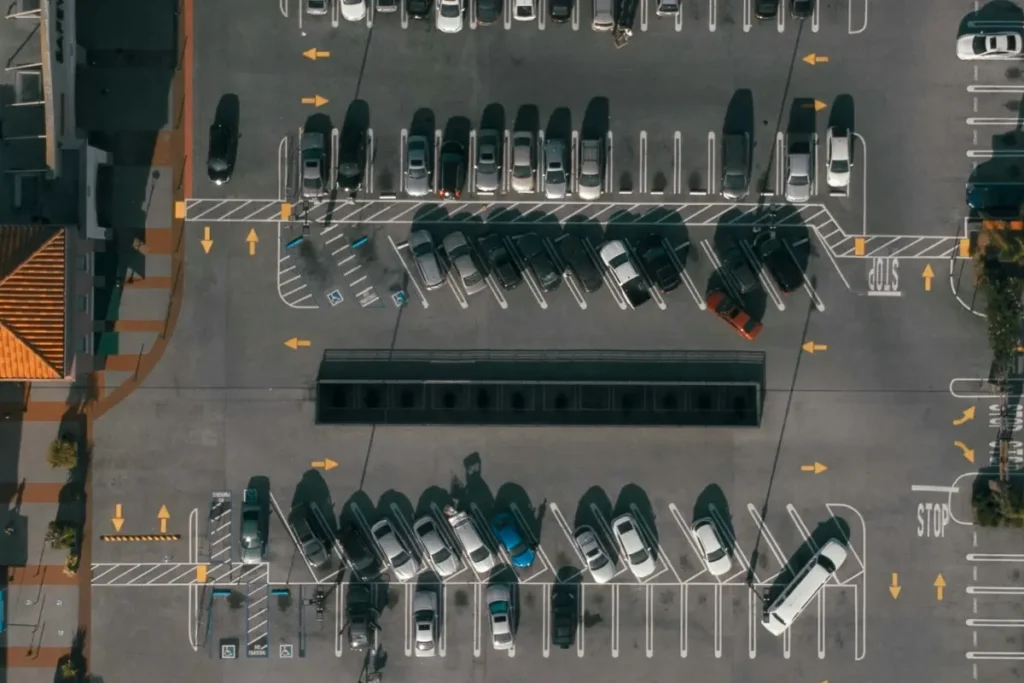
Such integration provides the timely use of the law against vehicles that have been involved in criminal or traffic offences, further enhancing the higher security and safety agenda. The UAE new traffic rules and the initiative under consideration demonstrate the exemplar of how technological congruence can be used to facilitate compliance and maintain law and order of the people.
- Mosque Parking Regulations
In August 2025, the local government of Dubai enacted a 24-hour controlled parking policy that will govern all mosque areas. This policy was devised to reconcile the devotional necessities of worshippers with the broader traffic‑management objectives embodied in the recently promulgated UAE New Traffic Rules.

Within the scheme, during the official prayer hour, parking is free; otherwise, it is charged at existing fees. The strategy is therefore representative of an effort to fairly adjust to the practice of religion and, at the same time, to control the urban traffic.
The 59 sites in question will be divided into two tariff zones. Zone M is evenly priced at two Dirhams per half-hour (four Dirhams per hour). Zone MP is an upscale category, and charges depend on peak and off-peak time and range between two to six Dirhams per hour. Such stratified charges are consonant with the principal aim articulated by the UAE New Traffic Rules to preserve parking accessibility for religious observance while simultaneously implementing demand‑management measures in congested districts.
Attaining full conformity to the UAE New Traffic Rules mandates a proactive and well‑informed strategy. The pilots will simply be forced to get accustomed to the ins, outs of the UAE new traffic rules in various regions, adjust their schedules to the new tolling rates, and completely comply with the tolling rules as they are stated. Those unintentional errors will become increasingly expensive with the deployment of the state-of-the-art enforcement technologies, and it is highly important to remain alert since the new traffic legislation in the UAE continues to arrive.
Read More: UAE Highway Speed Rules: 6 Strict 2025 Updates- Fines, Limits & Safety Tips Revealed