

The UAE has been creating a strong foundation for its Arabic language ecosystem in various areas, such as education, media, and technology. Although it cannot be stated categorically that there is an “Arabic Language Law by 2027,” it is evident that several factors have culminated in making it a definite plan. With steps taken in different areas of education and even technological integration, the UAE has ensured that Arabic remains at the core of its culture.
Education Reform Driving Language Adoption
The most important issue in the process of change is the focus being placed on education. There has been the introduction of the mandatory learning of the Arabic language in all private schools for the period 2025-2026, with the duration of class gradually being increased in the subsequent years. Students are required to take Arabic lessons on a daily basis, while future projections indicate that the number of minutes devoted to Arabic classes will be 300 per week by 2027-2028.

Early Childhood Learning Becomes Key Focus
This drive towards learning Arabic has come through very early on in the developmental stage of the children. The government of Dubai has implemented policies whereby they are obliged to have Arabic language lessons offered in private schools and nursery classes for kids aged between birth and six years old. This step is expected to ingrain language knowledge at an early stage before the kids begin attending schools.
Standardisation Across All Curricula
There is another important change, which is the standardization of the teaching of Arabic language in all education systems, irrespective of the curriculum used. Regardless of whether the schools follow a British, International Baccalaureate, or American curriculum, all private schools must include Arabic, Islamic Studies, and Social Studies in their curricula. Through such an initiative, students from all backgrounds receive some knowledge about Emirati cultural and historical aspects.

Protecting Language Through Media Regulations
Apart from the educational sector, efforts have also been made by the UAE to protect the Arabic language in the context of the media industry. The new measures limit the use of the Emirati dialect in the media to Emiratis only, with the goal of protecting their culture from any distortion. This indicates that the government is aware of the fact that the language does not just serve as a mode of communication but is also an important part of a nation’s identity.
Arabic Expands into AI and Digital Ecosystems
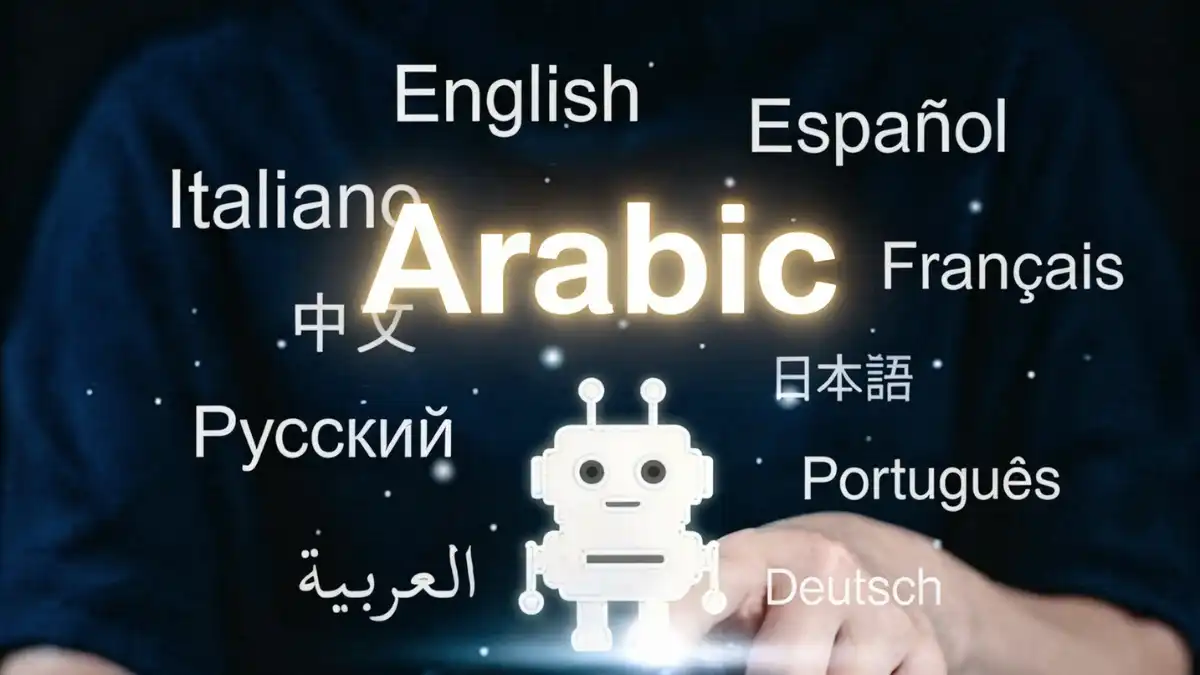
The UAE language policy does not stop at these issues alone. The UAE is also attempting to ensure the adoption of its language in the technological context. The development of Arabic-first approaches such as Falcon Arabic demonstrates the foresight of the UAE to make sure that its language is kept relevant even in the digital realm. As such, the UAE can be considered a forerunner when it comes to digital innovation with Arabic.
In conclusion, the language and cultural approach of the UAE demonstrates a clear paradigm change in terms of conservation of the Arabic language and culture into promotion thereof. The UAE has created a sustainable development formula whereby cultural practices blend harmoniously with globalization to promote and integrate language into all facets of society.
Also Read: Digital Nomad Visas Rise Globally — How the UAE Is Competing for Remote Workers


