
With schools in session, summer yet to arrive, and relatively low demand make April traditionally a low season on the UAE-South Asia corridor. However, for millions of South Asian expats in the UAE, the journey home is one of the most expensive it has ever been during a quiet travel month. UAE flight fares across routes to India, Pakistan, Bangladesh, and Sri Lanka remain 30 to 35 percent above normal levels. The travel agents warn the pressure is not lowering any sooner.
What Are The Costs Right Now?
On Indian routes, return tickets to Kochi are as high as Dh4,114. Meanwhile, Mumbai and Delhi returns are surfing between Dh1,000 and Dh1,500 on moderate dates. These prices cross Dh2,000 during peak windows. Hyderabad to Dubai fares went over double the price from pre-war levels, now ranging between Dh1,300 and Dh1,800.

On the Pakistani route, the picture is equally if not more strained. FlyDubai currently lists one-way fares from Dubai to Lahore from Dh645. Meanwhile, Islamabad from Dh805 and Dubai to Karachi starts from Dh435. The return tickets from Lahore to Dubai are averaging around Dh786, according to Kayak. From Karachi and Islamabad, the prices are Dh756 and Dh903 respectively.
These numbers represent a surge on the same routes compared to the last six months. All fares have increased compared to pre-conflict baseline. Lahore to Dubai being historically one of the most comparative and cheapest route due to high demand is also not what it was once in bargain
Why Did UAE Flight Fares Surge
The pricing pressure can be traced back to three factors. First one is the jet fuel costs, which sold from approximately $85-90 per barrel before the Iran conflict. By early March it almost doubled, reaching $150 to $200 per barrel. The airlines passed on the pressure directly on to the passengers by increasing the base fares.
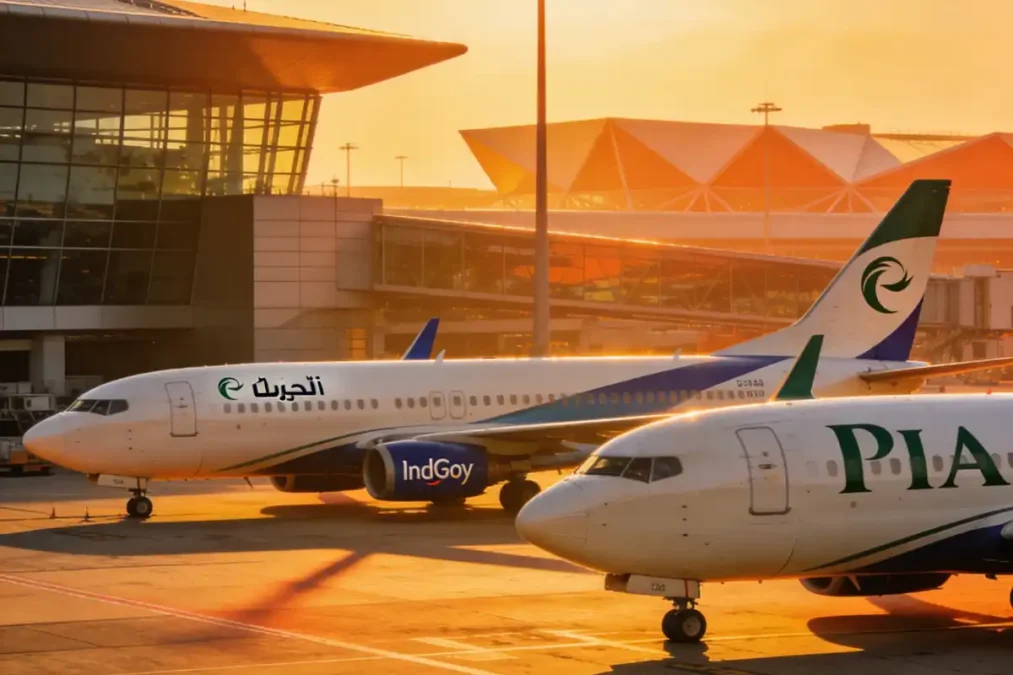
Dubai airport’s restriction on foreign carriers to one daily round-trip to DXB and DWC from April 20 to May 31 can account for the second reason behind the surge in UAE flight fares. Emirates and FlyDubai are exempt from this rule, but it puts Indian, Pakistani, and other South Asian carriers, who depend on high frequency service for cheap fares, at a disadvantage.
Thirdly, the cancellation of over 27,000 commercial flights over the first two weeks of the conflict globally destroyed the capacity while the demand from expats trying to travel remained high. Over 50 percent of these flights were scheduled for the Middle East from February 28.
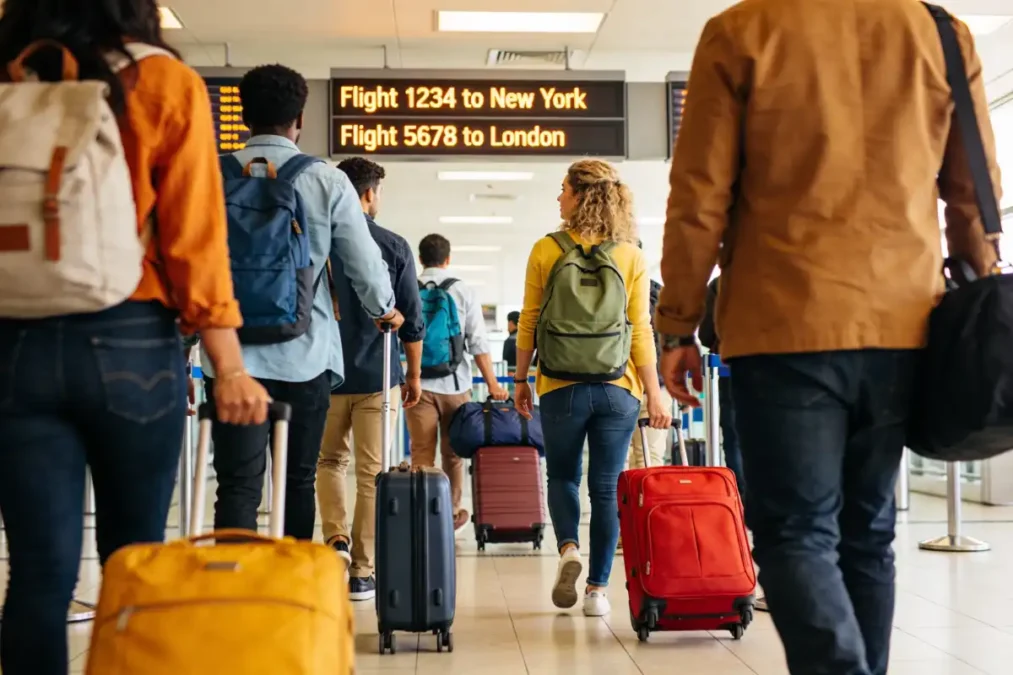
Despite the prices, demand did not collapse. Managing Partner at Pluto Travels, Bharath Aidasani told Khaleej Times that flights are still considerably higher than usual capacity which is keeping the prices elevated. “On some days you can only see business or premium seats available on these airlines because economy seats are sold out,” he said.
When Will It Come Down?
Before summer? Not possibly even during it. Foreign carrier caps at Dubai airports run until May 31. The travel agents say that the UAE flight fares are expected to climb further when school holiday demands pick up towards mid-June. The travel platforms recommend booking flights as early as possible. It is also recommended to consider Sharjah and Abu Dhabi as alternative departure points while maintaining the travel dates flexible to catch lower fare windows if and when they briefly appear.
Read More: UAE Shuts 13,667 Piracy Websites in 2026 with AI InstaBlock Crackdown