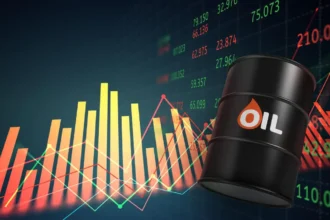
The governments across the world are revising the fuel prices upward as of May 1, consumers to once again bear the increasing burden of the war they did not start. The first US-Israeli airstrikes on February 28 sent the Brent Crude from roughly $73 per barrel to $120 in the span of ten days, recording a 65 percent increase. A market correction followed, then a tumbling fuel crisis that simultaneously reached Islamabad, Mumbai, Dubai, Berlin, and Los Angeles. And it is not projecting towards a good end any sooner.
How the Hormuz Broke Global Fuel Market
20 percent of the world’s seaborne crude oil and LNG passes through the Strait of Hormuz daily. However, Iran restricted the flow through the Strait when it took charge following the eruption of warfare. The loadings of crude oil, LNG, and refined products through the Strait were projected around 3.8 million barrels per day in early April.
Related Stories

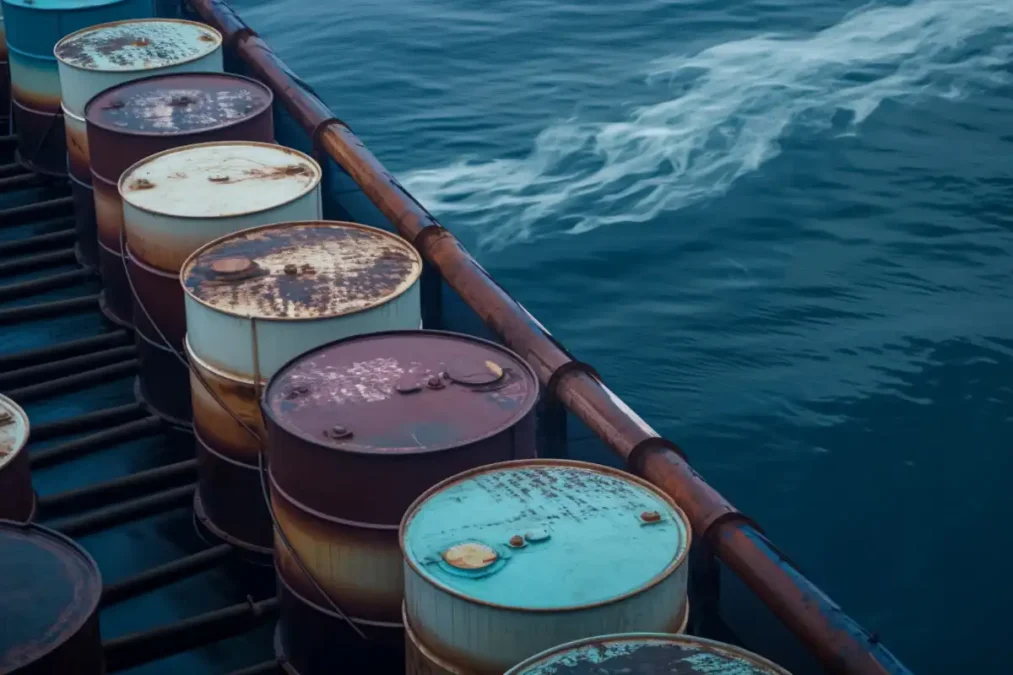
Ahead of the crisis, the numbers were as high as 20 million barrels per day in February. According to the IEA report, overall loss in oil export was over 13 million barrels per day, the total supply losses added up to more than 360 million barrels in March and 440 million barrels loss was projected for April.
The US naval blockade imposed on April 13 has been targeting all vessels transiting the Iranian ports. Moreover, the added enforcements cut off the workarounds as well. The global oil reserve inventories plunged by 85 million barrels in March alone. A significantly larger decline of 205 million barrels occurred in stocks outside the Middle East Gulf as flow through the Strait was choked off. A ‘Force Majeure’ was declared by QatarEnergy on its LNG contracts in early March.The European gas futures increased to €61.93 per MWh from €35.5 per MWh.
Country by Country: Fuel Prices Now
At least 85 countries reported the increase in fuel prices as an immediate aftermath of the war. The variation in how they responded differentiated the countries with domestic production buffers and those without.
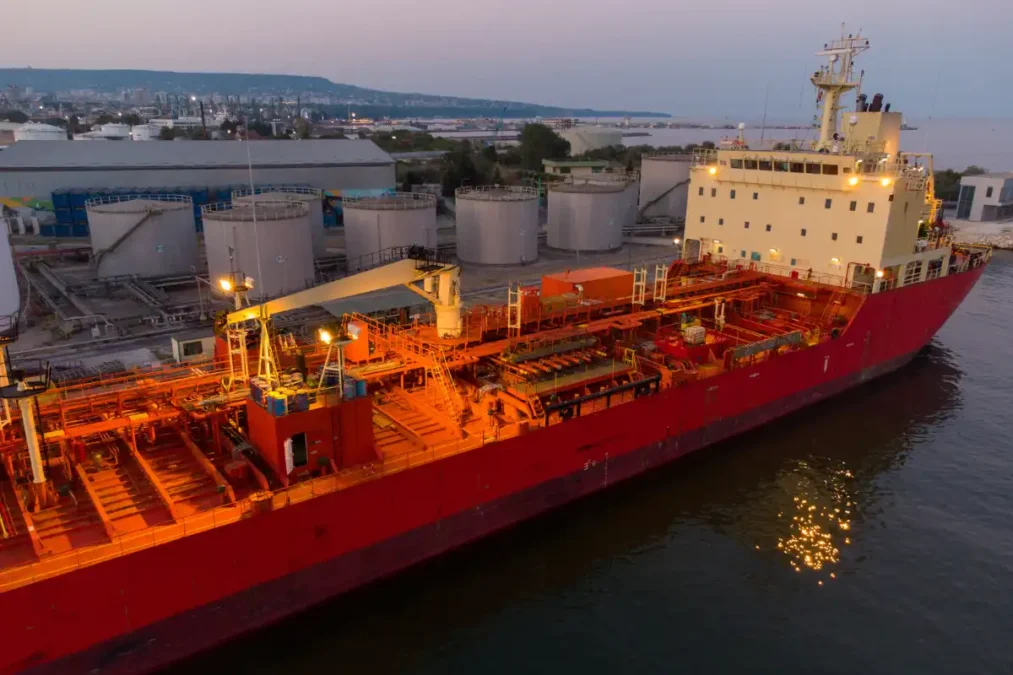
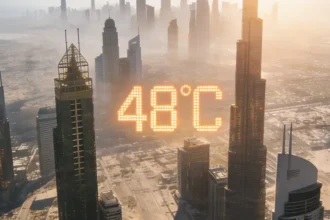
In the UAE, the Fuel Price Committee increased the petrol prices for May 2026. Following an approximately 60 percent global rise in fuel prices due to the Hormuz closure, petrol prices in UAE have risen by nearly one-third in April alone. Super98 costs Dh3.66 per liter whereas Special 95 stands at Dh3.55 and E-Plus91 is at Dh3.48. Relative to vehicle size, filling a tank in May can cost between Dh13.77 and Dh20.72. Almost every link in the UAE supply chain is fueled by Diesel which also went up by more than 70 percent in April.
The Federal Government of Pakistan has been revising prices weekly since the beginning of the conflict. This frequency screams how unmanageable the volatility has become. Effective from May 1, the petrol prices increased by Rs6.51 per liter, one liter selling at Rs399.86. In parallel, the high-speed diesel jumped Rs19.39 marking Rs399.58 per liter. This is alarmingly close to Rs400, a sentiment trigger for the consumers. The highest ever petrol price recorded, at the peak of the conflict on April 3, was Rs458.40 per liter.
In India, the government has been holding the line so far. The Ministry of Petroleum clarified via an X post on April 23 that the news reports suggesting a price hike are fake. “There is no such proposal under consideration by the Government,” they said. The analysts, however, have warned that this cannot last indefinitely. Every $1 rise in the cost of crude costs India $2 billion per annum on the oil imports. With Brent trading above $100, continued absorption is going to prove unsustainable.
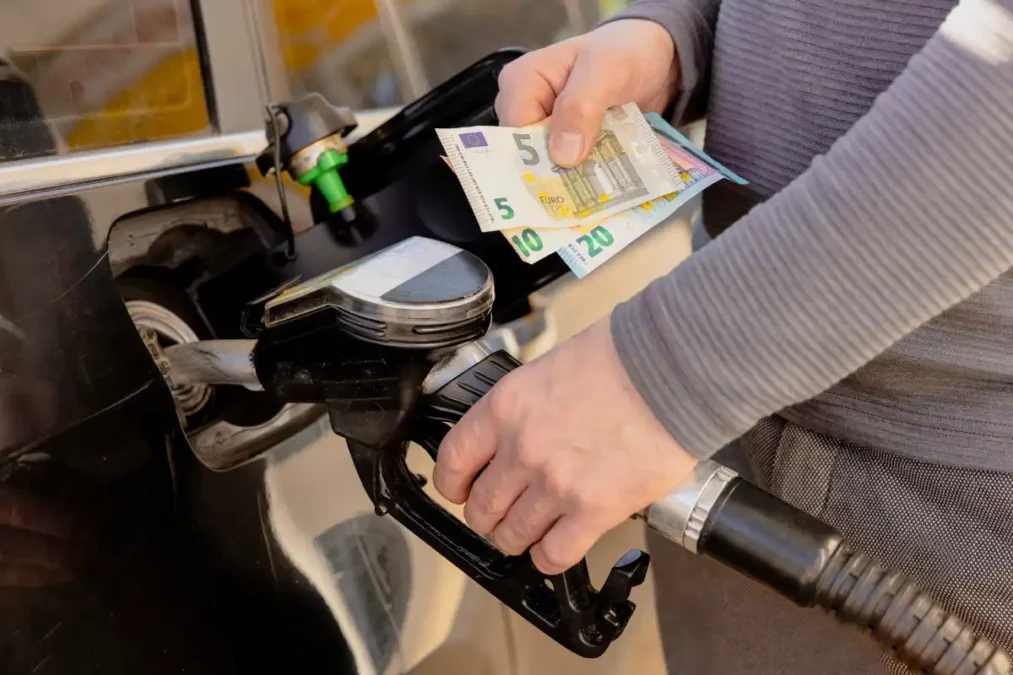
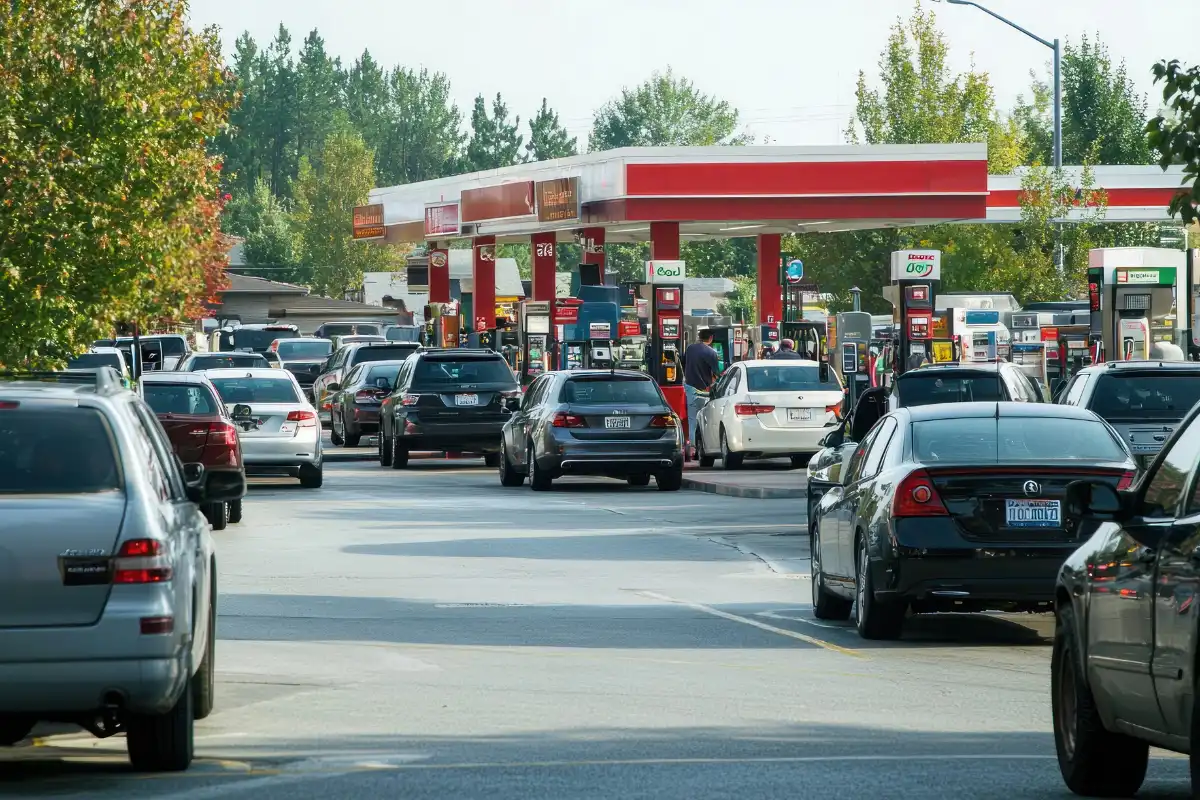
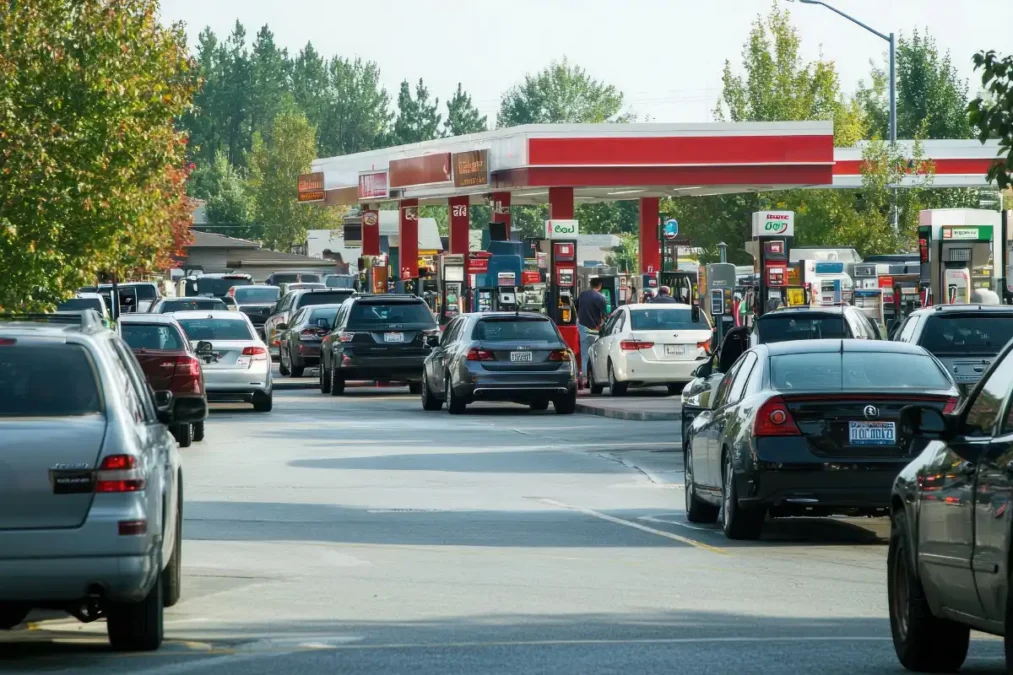
The domestic buffer in the US was also partial. It did not guarantee immunity. A gallon of regular petrol increased by 20 percent, from $2.94 in February to $3.58 now. California is at its highest level in over two years at $5 per gallon. Gas prices rose over $4 per gallon on March 31. However, the impact on Europe has been more structural. The average price of Euro 95 petrol across all 27 EU member states was €1.764 per liter, while diesel averaged around €1.943 per liter as of April 20. Spain witnessed a 27 percent increase and Ireland recorded the EU’s highest price at €2.30 per liter.
The OPEC Exit: Is it a Relief?
Effective from May 1, The UAE decided to formally exit OPEC and OPEC+. Jorge León, the head of geopolitical analysis at Rystad Energy, told Reuters that the decision comes down to weakening the market incentives. “In a shrinking market, the incentives to remain in the group are less and less,” he said.
“It is more about who moves first. And right now it seems like the UAE has taken that step,” León added. The exit theoretically frees the United Arab Emirates to increase the production by 30 percent, above the previous levels constrained by quota. The ADNOC targets five million barrels per day production per day by the year 2027. More supply, in theory, will ease the global fuel prices. The reality is much more complicated.
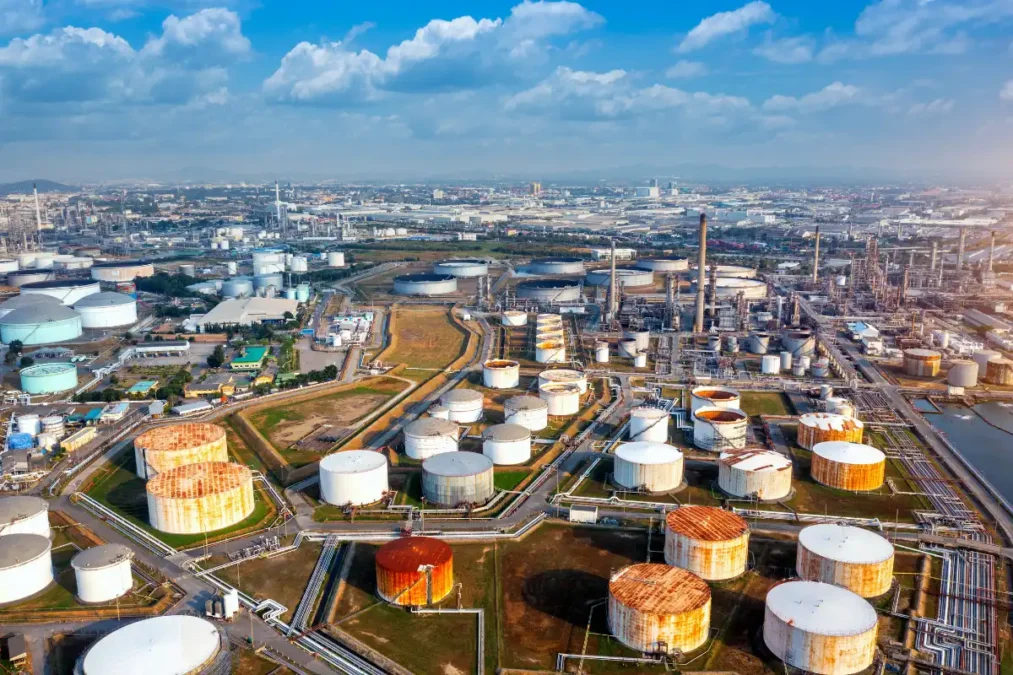
The UAE’s Energy minister called the exit a “gradual boost to production”, meaning the supply increases will be phased. Unlike Saudi Arabia, Iraq, and Kuwait, UAE crude can bypass the Hormuz through the Abu Dhabi Pipeline to Fujairah. Brent crude is trading near multi-week highs of $117 per barrel. Analysts project no near-term reduction in fuel prices.
Will the Fuel Prices Come Down?
The World Bank expects fuel prices to surge by up to 24 percent in 2026, with Brent averaging $86 per barrel which could spike to $115 if the conflict persists. It also assumes that the disruptions will end in May and the shipping through Hormuz will return to its pre-war status.
The ceasefire is technically in place but the US naval blockade is still active. Iran is continuously refusing to attend any talks. The toll revenue is now flowing into Tehran’s central bank. These conditions shift the scenario for the conflict to reach a swift resolution. The strikes on the Gulf energy infrastructure are likely to have a multi-year repairing timeline regardless of when the tensions end. EU Energy Commissioner Dan Jørgensen bluntly stated that even if the peace were reached tomorrow, the EU will not go back to normal in the foreseeable future. The war created a shock, the blockade sustained it. But the global infrastructure damage will outlast them both.
Read More: https://timesofdubai.ae/tehran-draws-red-line-warns-us-against-new-strikes/