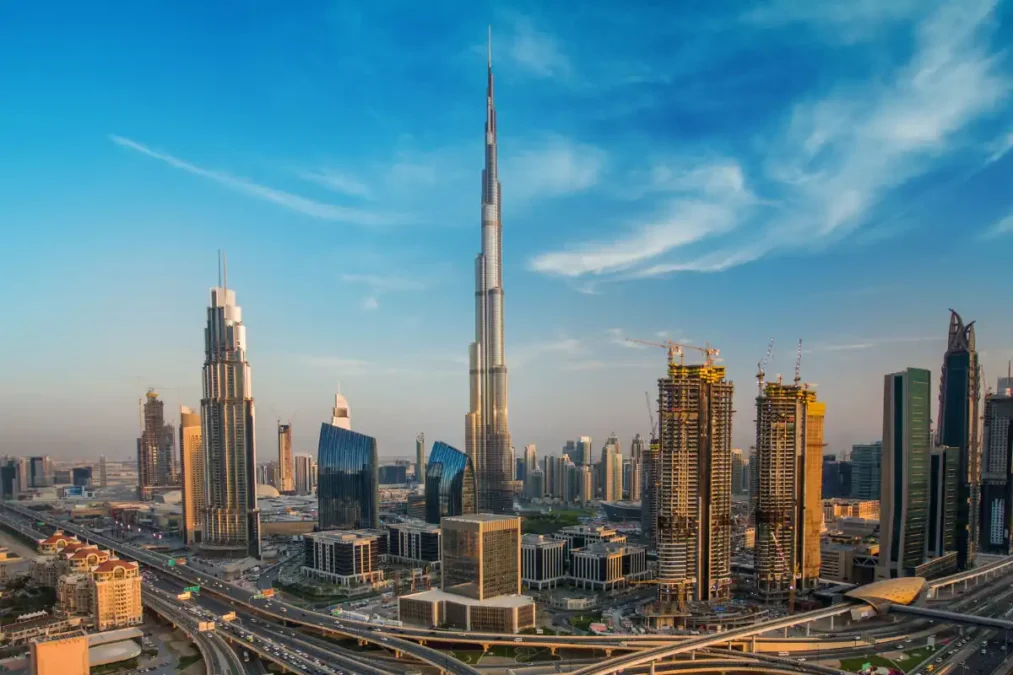
Dubai was one of the most remarkable construction sites on earth, when cranes outnumbered clouds, billion dirham projects were announced even before a single foundation was laid, islands were being formed in the sea, and canals were being cut through the deserts. The towers at Dubai’s skyline were racing each other to be the tallest in the world. The global financial crisis hit in 2008. The companies that built the dreams had vastly different experiences when the money dried up.
Nakheel: Revival From the Ashes
No company represents the ambition and the collapse of pre-crisis Dubai better than Nakheel, the name behind Palm Jumeirah, Palm Jebel Ali, The World Islands, and the proposed Palm Deira. It lost Dh13.4 billion in the first half of 2009 and was on the edge of defaulting on a $3.5 billion bond in December of that year. In the final hour, Abu Dhabi came to the rescue with a $10 billion investment in Dubai. This was followed by the government’s $9.5 billion package to ensure that bondholders were paid.
The real estate heartbeat had begun to recover, and the city with it. Nakheel survived but spent years sweeping away the ashes. In 2011, the company undertook a Dh59 billion debt restructuring with a key condition of its ownership being transferred to the Government of Dubai. By 2017, Nakheel had finally returned to profits. Although today, Nakheel does not exist as an independent entity, it was merged into Dubai Holding in March 2024.
However, the projects backed by Nakheel are very much alive till date. Palm Jebel Ali lay dormant for over a decade after 2008. It is now under active construction with a Dh750 million infrastructure work. The ghost island is scheduled for completion by the end of 2026 with a Dh3.5 billion deal signed in April to build 544 villas on the waterfronts of this man made island. The villas are scheduled to be complete by 2028.
Limitless: What Dubai Almost Became
In a city where Nakheel faced death and was resurrected, Limitless became a dream that was never recovered. Founded as the property arm of Dubai World in 2005, Limitless was behind the Arabian Canal, a $11 billion, 75-kilometer man-made waterway that would have cut through the desert west of Al Maktoum International Airport. It was set to create a waterfront for approximately 1.5 million people. The work began in 2008, but then it stopped. Staff cuts, delayed contracts, and review of all overseas projects in India, Pakistan, Vietnam, and Jordan.
Limitless eventually proposed a restructuring plan to the creditors that showed a Dh2.8 billion debt. The creditors offered either an upfront 50 percent settlement or a seven-year restructuring of Dh2 billion in debt. The 2008 crash hit hard. With its operations stopped in Dubai, Limitless defaulted on Dh4.4 billion in debt in 2010, entering a cycle of restructuring.
The Arabian Canal has been on hold since 2009. It remains stuck in the planning and conceptualising phase. Of all the projects launched, the canal is the purest monument to what Dubai almost became.

Emaar: The Name Everywhere
With its most important asset already delivered, Emaar navigated the crash differently. The Burj Khalifa opened in 2010 at the absolute depth of post-crash depression. Completion of the world’s tallest building changed the view of Dubai’s skyline and the conversations in Dubai overnight. The company’s share prices shed significantly during the crash, however, it maintained its composure. Emaar retained its governance structure, balance sheet, and most critically its delivery reputation. It did not need a state rescue.
Today, the city’s most dominant developer reported Dh19.1 billion revenues in 2024 with an anticipated growth of 9 percent in 2025. A new urban center anchored by a tower designed to surpass the Burj Khalifa, The Dubai Creek Harbour is on the way. Its off-plan sales continue to set records quarter after quarter. Emaar, a name you see everywhere on Dubai’s skyline, gave the world its tallest building and is now building the next one.
A Lesson That Built Dubai’s Skyline
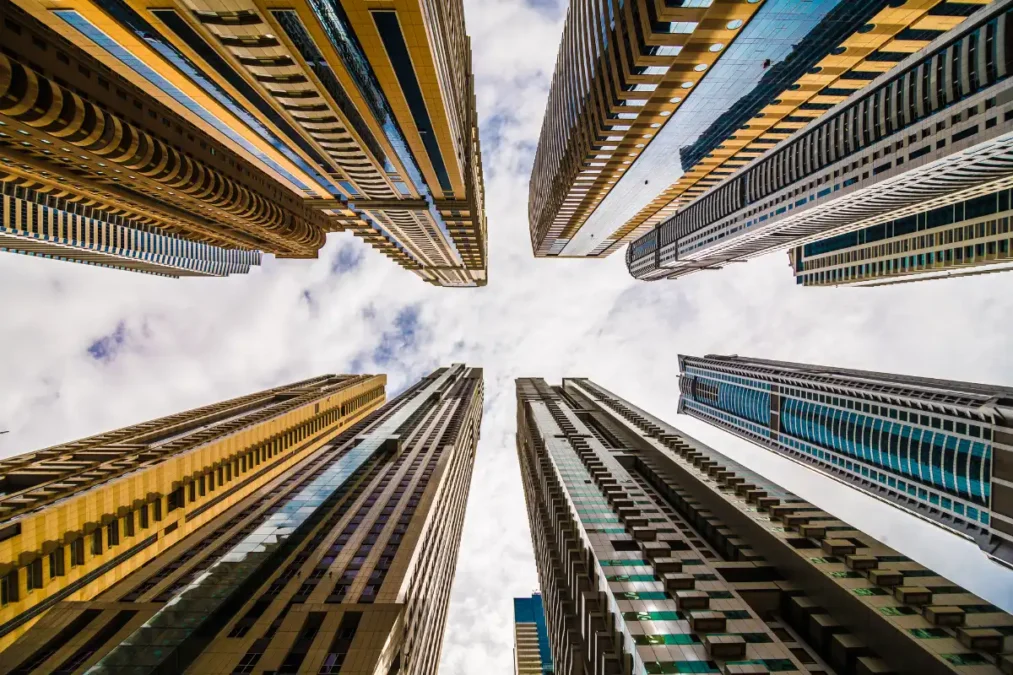
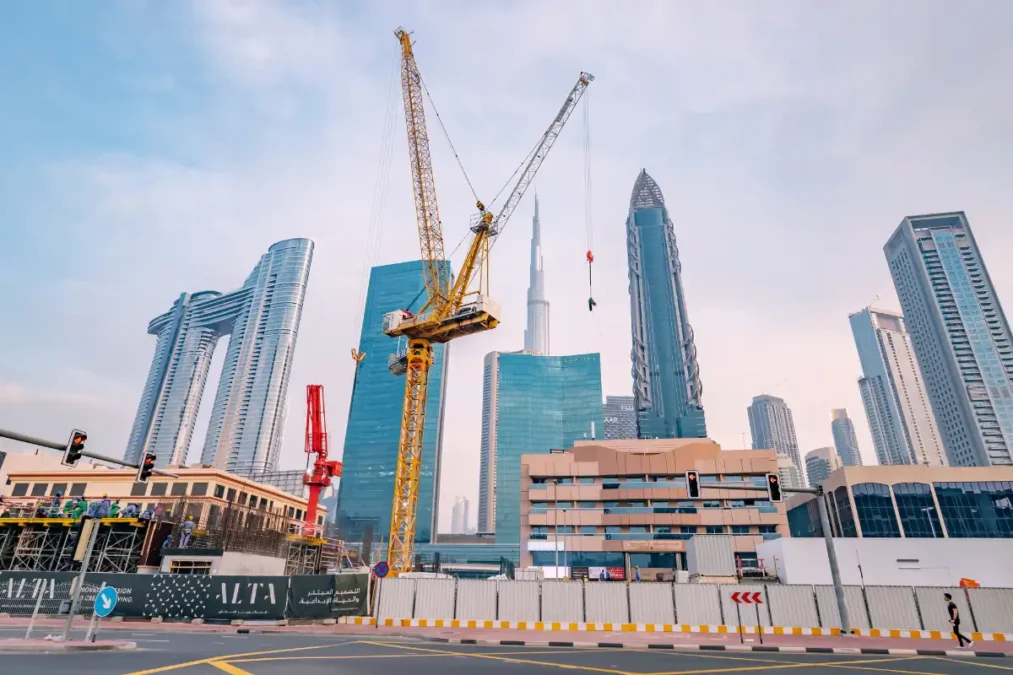
The divergent fates of the skyline builders tell a story of how Dubai’s skyline works better than any economic paper. Nakheel was strategically too important to be allowed to fall, the government absorbed and restructured it instead reviving its most important projects at the right moment. Limitless was important but not irreplaceable. Left to restructure on its own, it faded while its grandest project still remains frozen in time. Whereas Emaar, which survived on the strength of its own delivery record, proved itself by building rather than just announcing.
Dubai’s skyline was built by ambition. Today’s Gold Metro Line, Airport Expansion, Palm Jebel Ali, is being built on the lessons paid for at enormous costs. Dubai learned it the hard way: announcing is easy, finishing is what reshapes a city. Ambition starts projects but memory finishes them.
Read More: https://timesofdubai.ae/uae-restaurant-industry-war-impact/