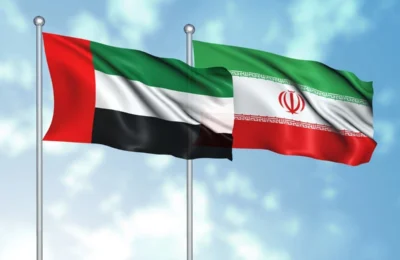
The world’s most powerful oil alliance held its first meeting since the UAE departed, and pressed ahead as if nothing had happened. Seven OPEC+ producers agreed on Sunday to raise the collective output by 188,000 barrels per day in June. They decided to continue to unwind the voluntary production cuts, the first formal decision since UAE Exit OPEC. The meeting included Saudi Arabia, Kuwait, Russia, Iraq, Kazakhstan, Algeria, and Oman.
The Blocked Market
The decision to increase output is highly significant for one reason. The Hormuz remains closed due to the Iran war, choking off oil exports from the Gulf producers who are now pledging to raise supply. According to OPEC+, after this review, Saudi Arabia’s quota rose to 10.291 million barrels per day but the kingdom itself reported a production of 7.76 million to OPEC in March.
Related Stories

The gap between authorized output and actual production tells a story that the production adjustment is a signal of intent, not an actual supply fix. The Brent crude is still around 78 percent higher since the start of 2026 at $108.17 per barrel. Analysts warn of increased jet fuel shortages within one or two months if the Hormuz blockade remains persistent.

UAE Exit OPEC; OAPEC Too
The decision is about structure, not just barrels. OPEC now has a void for a producer with a significantly sustainable spare capacity of 30 days. Without the UAE, the organisation is left with fewer shock absorbers for any future disruptions. The departure did not stop at OPEC, the UAE simultaneously withdrew from OAPEC, the Organisation of Arab Petroleum Exporting Countries.
Unlike OPEC, OAPEC does not regulate production quotas, it promotes Arab energy cooperation. The exit was followed by reported tensions with Saudi Arabia and frustrations over how the group was handling Iranian attacks on the UAE Infrastructure during the conflict. OAPEC acknowledged the departure quietly and appreciated the UAE’s “effective contributions” without any public opposition.
The UAE has exited every collective Arab and international oil framework in the span of one week, leaving OPEC structurally weak. OPEC is now pressing on in a market where its grip is gradually slipping.
Read More: Will Dubai Metro Save The Forgotten International City?