
Dubai’s parking system is no longer operating like a background public utility. It is now functioning like a fast-growing corporate infrastructure business. The latest Parkin revenue surge shows just how quickly that transformation is happening. According to Parkin’s Q1 2026 financial results, AED 384.2 million revenue was recorded during the first quarter of 2026. This shows a 41 percent increase from last year. Net profit increased by36 percent to AED 185.1 million.
Related Stories

This growth is a result of more than rising parking demand. It also reveals how Dubai’s broader transport strategy is changing through stricter enforcement, expanded paid parking zones, and dynamic pricing systems. Parkin is reshaping how residents interact with the city.
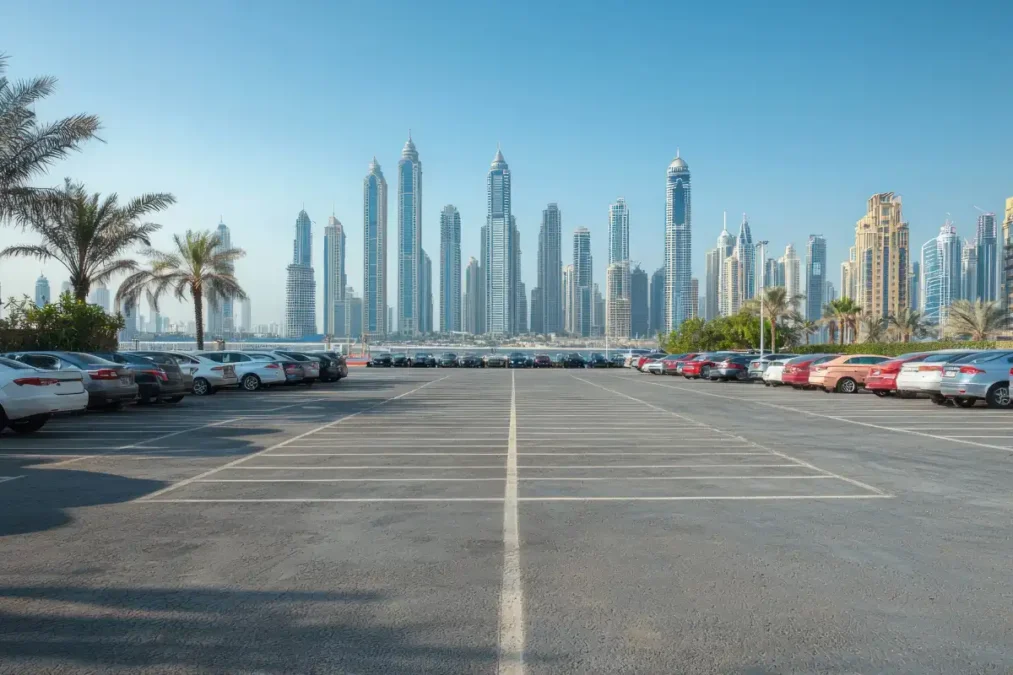
Parkin Revenue SurgeWhat Changed?
Parkin officially emerged as a separate company after Dubai moved parking operations away from the Roads and Transport Authority under its privatisation strategy. According to Reuters, Parkin launched its IPO in 2024, becoming one of the most closely watched public infrastructure listings in the UAE. Since then, the company has aggressively expanded both operationally and financially.
Parkin stated in its Q1 report that it added 49,000 new parking spaces across Dubai while seasonal parking card sales surged 129 percent to 100,600 cards. The company also issued more than 754,000 fines during the quarter, a 32 percent increase compared to the same period last year. The weighted average parking tariff also increased by 51 percent, according to the same Dubai Media Office report. The majority of that growth came after the launch of variable parking pricing systems and the expansion of paid parking zones into residential and commercial districts.
Related Stories

The issuance of 754,000 fines in one quarter means Parkin averaged approximately 8,400 fines per day across Dubai. This translates to roughly one fine every ten seconds during a standard working day. The 129 percent increase in seasonal parking card sales suggests that a growing portion of regular commuters are pre-purchasing the access rather than paying per session. This shows a behavioural adaptation to the higher tariff environment.
Parkin Revenue Strategy
The Parkin revenue increase is closely tied to Dubai’s larger urban mobility plans. Parking is majorly being used as a traffic management tool rather than only a municipal service. High parking costs during peak hours are intended to help reduce congestion, encourage public transport usage, and improve vehicle turnover in busy districts. The Filipino Times reports stated that Parkin had requested additional tariff revisions from RTA as part of broader operational changes.

Meanwhile, Dubai’s leadership has continued investing heavily in metro expansion, electric buses, and smart transport systems. The stricter parking environment exists alongside those investments. The message is increasingly clear, long-term reliance on private vehicles in dense urban areas is becoming more expensive.
The average tariff increase recorded in Q1 is 51 percent. This follows a trajectory of sustained annual growth in tariffs since Parkin’s privatisation. In relation to that, a driver paying AED 2 per hour for parking two years ago would now pay approximately AED 3 per hour. This rate significantly spikes during peak hours in high-demand districts with variable pricing models.
Resident Frustration Grows
This transition has not gone unnoticed by residents. Across online forums and community discussions, many residents have increasingly criticised rising parking charges and stricter enforcement. Complaints frequently focus on expanding paid parking coverage, peak-hour pricing, and the growing difficulty of finding free parking in older residential areas.
Related Stories

On Reddit Dubai discussions, several users described Dubai’s parking environment as becoming significantly more expensive over the last year. Others questioned whether the rapid expansion of paid zones was placing additional financial pressure on middle-income residents already dealing with higher living costs.
Transport analysts argue that Dubai’s congestion problem leaves policymakers with limited options. The city’s population growth, expanding vehicle ownership, and rising commercial activity have increased pressure on road infrastructure. Managing parking availability has become part of a larger urban planning challenge.
The Bigger Picture
The Parkin revenue growth ultimately reflects something larger than parking itself. Dubai is actively monetising infrastructure systems that were once treated primarily as public services. Roads, transport, tolls, and parking are gradually becoming integrated parts of a broader smart-city economic model.
For the investors, Parkin’s AED 185.1 million net profit in Q1 alone implies an annual profit rate of approximately AED 740 million. If the growth trajectory holds, these figures would represent a significant increase from the company’s IPO-era projections. These numbers also hint at why urban infrastructure assets in high growth cities are growing more attractive to institutional capital.
For residents, the changes are more personal. Parking is no longer just about finding a space near an office or apartment building. It is a daily cost calculation shaped by pricing algorithms, enforcement systems, and urban mobility policies. Dubai’s parking transformation is still unfolding. Whether residents eventually view Parkin as an efficient success story or an increasingly expensive necessity may depend on how balanced the system feels in the years ahead.
Read More: Dubai Metro Hits Record Ridership: How Public Transport is Shaping Daily Life in the City