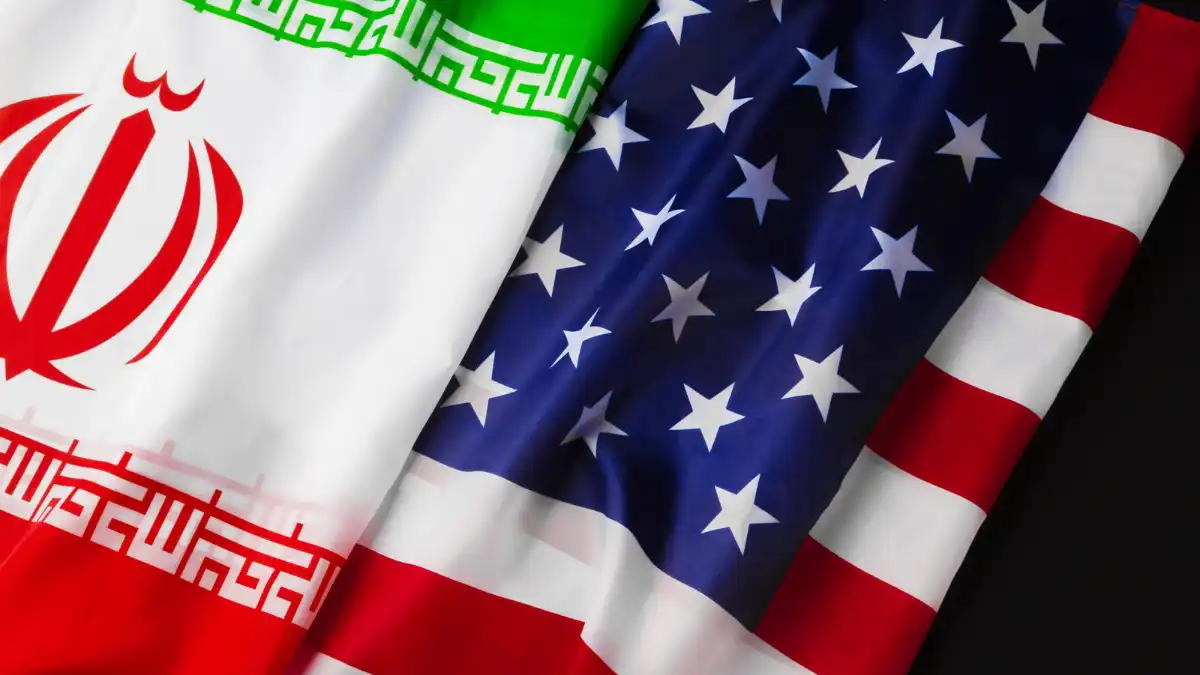
The ink was barely dry. Less than 48 hours after Donald Trump signed the Iran US Memorandum of Understanding at Versailles, the follow-up Iran-US talks meant to lock in the technical details of that deal have already collapsed before they could begin.
Iran-US Talks: What Was Supposed to Happen?
A signing ceremony followed by detailed talks was scheduled to be held at the Burgenstock Resort in Stansstad, near Lucerne in central Switzerland. The resort which overlooks Lake Lucerne is owned by Katara Hospitality. It’s a subsidiary of Qatar’s sovereign wealth fund that helped broker the original peace deal. The Swiss Foreign Ministry announced early on Friday, June 19, that the talks would not take place.
Related Stories
The White House further confirmed Vice President JD Vance had postponed a trip to Switzerland to convene the new meeting with Iran. The talks, which were to take place between the US, Iran, Qatar and Pakistan, were postponed. The Swiss Foreign Ministry also confirmed in a message to AFP.
Preparations for the Iran-US talks at Burgenstock are ongoing. Switzerland remains ready to host the negotiations. However, the announcement did not provide a new date for the negotiations.
What Made the Deal Fall Apart?
The 14-point Memorandum signed earlier this week opens with a single, specific commitment. Clause one states that the US, Iran, and their allies agree to immediately and permanently end military operations on all fronts, also in Lebanon.
That clause is exactly what fell apart first. Also, reports suggest Iran delayed sending its delegation to discuss the technical issues linked to the ceasefire deal. Due to Israel’s ongoing military campaign in Lebanon, the two countries digitally signed the deal.
How Bad Was the Lebanon Exchange
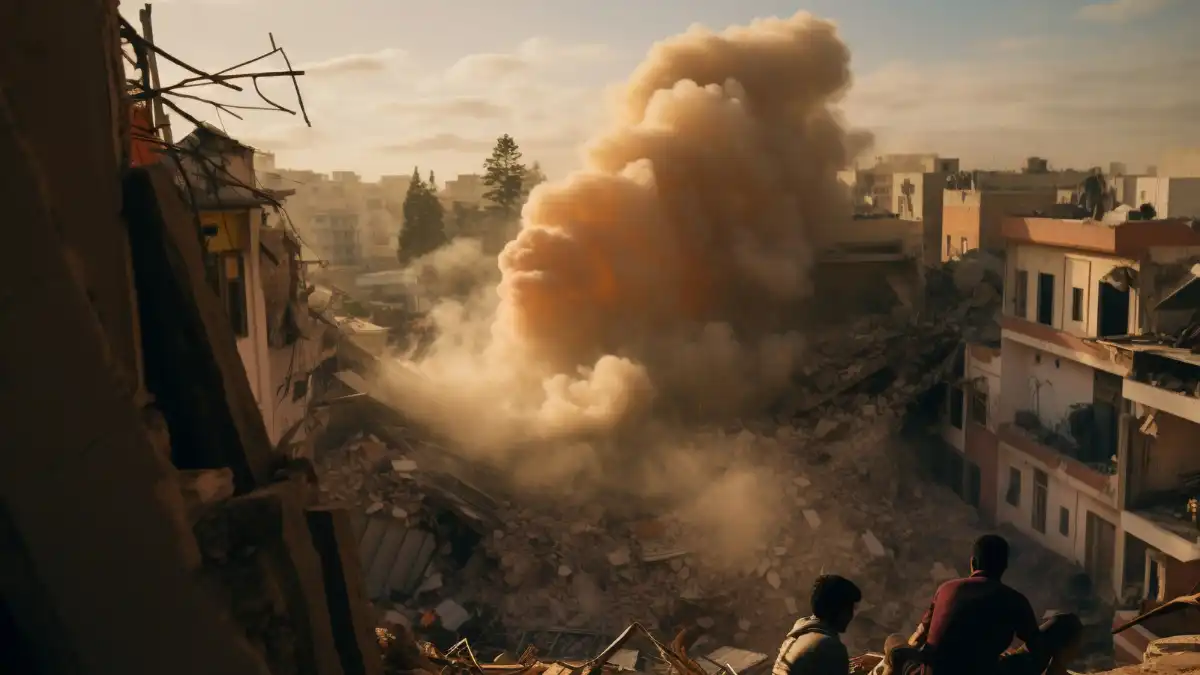
This was not a token, symbolic skirmish. Israeli attacks overnight and into Friday reportedly killed at least 18 people in southern Lebanon. Iran-linked Hezbollah reported intense fighting. Hezbollah did not stay silent either.
Israel’s National Security Minister Itamar Ben Gvir said “all of Lebanon must burn” after the Israeli military announced the deaths of four soldiers in a Hezbollah attack. Also, Defense Minister Israel Katz said the IDF would remain in southern Lebanon.
The scale here matters for understanding the breach. This was a real exchange with real casualties on both sides, not an isolated drone or a single rocket. Reportedly, eighteen Lebanese civilians dead, four Israeli soldiers dead, and active fighting reported by Hezbollah on the ground. That is the kind of exchange that triggers a clause-one violation under the new agreement, not a minor technical lapse.
Iran’s Response
Iran suspended high-stakes negotiations with the United States to protest Israel’s expanding military offensive in Lebanon, according to government-aligned media. Moreover, the semi-official news agency Tasnim reported that the Iranian negotiating team would suspend talks and the exchange of texts through mediators. Iran’s chief negotiator, Mohammad Bagher Ghalibaf, also said talks with the US remain bound by Tehran’s red lines after the Burgenstock meeting was cancelled.
Trump’s Side of the Story
Trump has tried to keep the deal alive publicly. He posted that after discussions with Israel and representatives from Hezbollah about easing tensions, talks between the US and Iran were back on at a rapid pace. However, the Swiss government’s own confirmation that Burgenstock did not happen as scheduled tells a different story on the ground than Trump’s statement suggests.
Iran-US Talks: What This Means for the 60-Day Clock?
The Memorandum gave both sides 60 days from signing to negotiate a final, binding deal. That clock is already ticking. The very first scheduled session under it cancelled before it started. The postponement has raised fears that the ceasefire deal signed by the US and Iran earlier this week could already unwind.
Vance has confirmed the 60-day negotiating period between Washington and Tehran has formally begun, even as the first concrete step under it has stalled. For now, the peace deal exists on paper. However, its survival in practice depends on what happens next in southern Lebanon.