
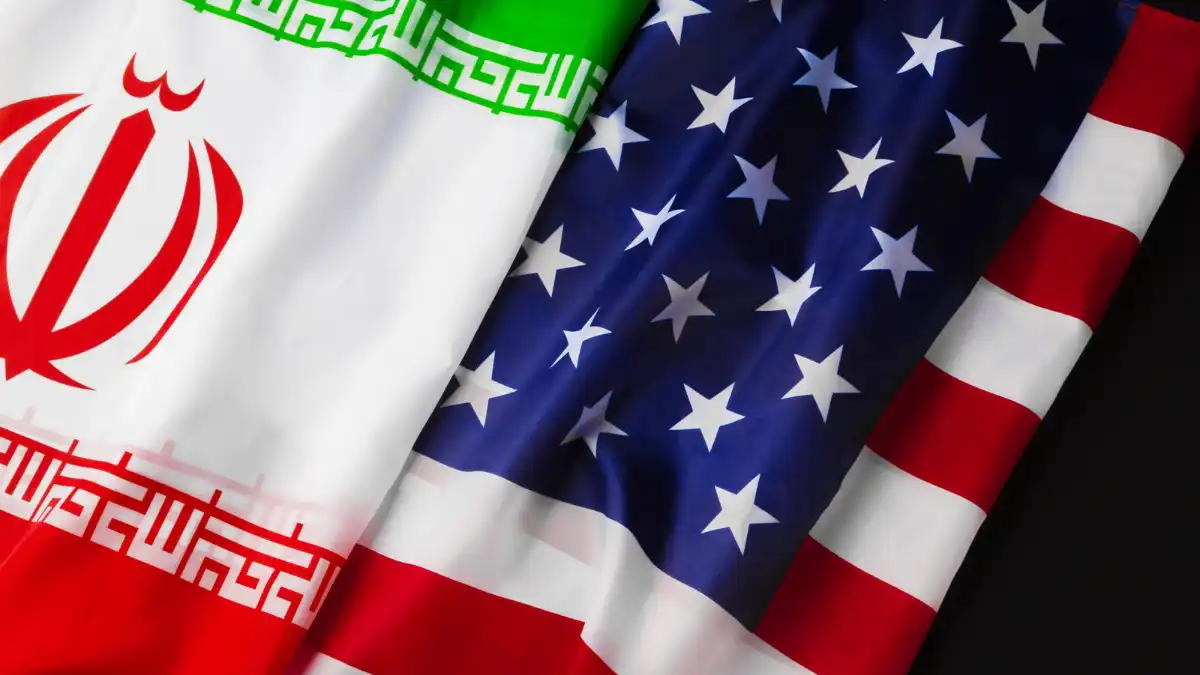
On Thursday evening, it felt like the world exhaled. After nearly four months of war, oil shocks, and a global shipping crisis, Donald Trump put pen to paper at the Palace of Versailles. In the hope for US-Iran peace talks, he signed a 14-point Memorandum of Understanding with Iran. Markets rallied. Oil fell. People started talking about petrol prices dropping. And then Friday arrived.
Thursday: The Hope
The day after Trump and Iranian President Masoud Pezeshkian agreed on the memorandum, the 14-point agreement obligated both sides to maintain the ceasefire, including in Lebanon, and to reopening the strategically positioned Strait of Hormuz. The deal set up a 60-day period for negotiating a permanent settlement.

The man who brokered the talks, Pakistan’s Prime Minister Shehbaz Sharif, called it a historic agreement signed at the highest level of both governments. Furthermore, Qatar, Saudi Arabia, Türkiye, Egypt and Pakistan all claimed responsibility. For one night, the diplomatic math seemed to work.
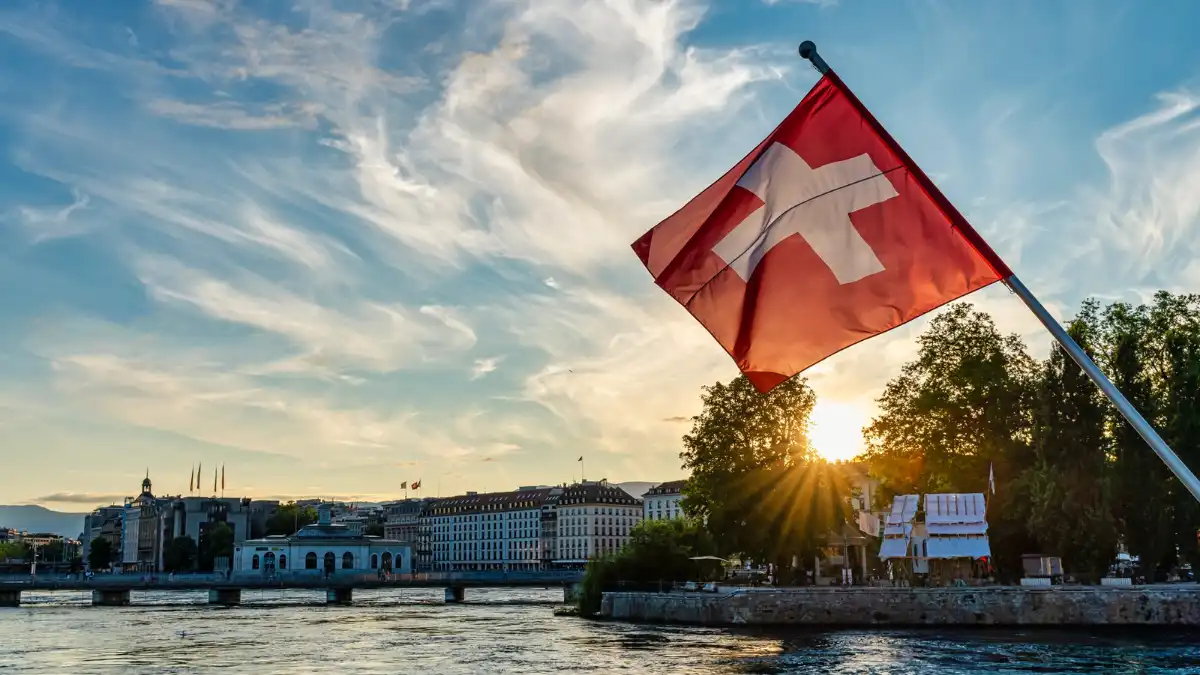
Instantly, follow-up talks scheduled. The venue was the Burgenstock Resort in Stansstad, Switzerland. JD Vance was set to lead the US delegation. The Iranian team was also expected on the ground Friday morning.
Friday: The Floor Falls Out
However, they never made it in. Switzerland’s Foreign Ministry confirmed that US-Iran peace talks scheduled at Burgenstock would not proceed as planned. The White House said JD Vance was no longer traveling to Switzerland, citing unresolved logistical issues.
“The plans for the upcoming technical talks have not been finalized, and the US delegation has been prepared to depart at the first available opportunity,” a White House spokesperson said.
The reason was Lebanon. On the same night the MOU was signed, Israel continued its attacks on Lebanon unabated, killing dozens of people in recent days. Iran’s side viewed the cessation of hostilities in Lebanon as a red line and a core clause of the agreement.
Mohammad Mokhber, an adviser to Iran’s supreme leader Ayatollah Mojtaba Khamenei, accused the US on X of failing to implement clause one of the 14-point deal, which stipulates an immediate end to military operations on all fronts, including Lebanon.
Iran’s delegation suspended talks. Moreover, Iran’s semi-official media confirmed its negotiating team had paused text exchanges through mediators. Trump, for his part, posted that talks were back on at a rapid pace. They were not, yet.
Then, late Friday, something shifted. Israel and Hezbollah agreed to a ceasefire from 4pm local time on Friday. It was fragile. However, it gave the diplomatic track just enough air to breathe.
Saturday: Ships Move, Then Stop
Saturday brought two developments that landed within hours of each other, in opposite directions. The US military’s Central Command said that commercial ship traffic in the Strait of Hormuz increased by June 20.
“Safe passage through the international waterway remained intact today as 55 merchant ships transited, moving large amounts of cargo and more than 17 million barrels of oil to global markets,” CENTCOM said. Trump added that there would be no tolls through the strait for 60 days during the ceasefire period.
However, within hours, the news reversed. Iran’s Islamic Revolutionary Guard Corps announced it was closing the Strait of Hormuz again, citing Israel’s ongoing strikes in Lebanon. The strait that had just reopened was shutting down again. Trump’s response came fast and loud.
Speaking with Fox News, Trump said he had warned Iranian officials not to close the strait. “You close it and you won’t have a country,” he said. “We may take over the strait, if we have to. If they don’t make a deal, we’ll collect tolls. I’ll blow the s— out of them,” he further added.
Behind the scenes, Pakistani Interior Minister Mohsin Naqvi was meeting with the Iranian delegation in a last effort to keep them at the table. A senior Pakistani official with knowledge of the negotiations confirmed Naqvi was working to keep the Iranian side on site.
Sunday: US-Iran Peace Talks Begin, Tension Rises
On Sunday, the delegations finally arrived at Burgenstock. JD Vance led the American delegation, and the Parliamentary Speaker Mohammad Bagher Ghalibaf led the Iranian delegation. Along with Pakistani PM Shehbaz Sharif and Qatari PM Sheikh Mohammed bin Abdulrahman Al Thani, all arrived at the Burgenstock mountainside resort above Lake Lucerne.
Vance said: “We’ve already made great progress over just the last few hours, and I expect that we’ll make additional progress in the hours to come.” Meanwhile, Vance was asked directly about Israel and Lebanon. He said: “I actually feel great about where we are in Lebanon. There’s still some additional wood to chop, but we’re going to keep on working at it.”
The Iranian side was less relaxed. Iranian delegation member Hussein Gurbanzadeh told state television that initial negotiations had covered frozen assets and sanctions relief tied to Iran’s energy sector, with a final draft proposal ready. But tensions over Lebanon continued to overshadow the table.
Additionally, Al Jazeera’s correspondent reporting from Burgenstock described it as “high drama in one of the world’s highest-stakes diplomatic exercises.”
US-Iran Peace Talks: At What Cost?
Numbers sometimes say what diplomacy cannot. Nearly 3,800 people have died in Lebanon since the conflict began. More than 3,600 have died in the wider war with Iran, according to the Human Rights Activists News Agency. At least six Israeli soldiers have been killed and 20 wounded by Hezbollah attacks in recent days alone.
These are the lives behind the logistical disagreements. Every hour the talks stall, the death toll in Lebanon climbs a little higher. That is the pressure sitting on every delegation at every table in Burgenstock right now.
Us-Iran Peace Talks: Where It Stands
The US-Iran peace talks process is still alive, but it is fragile in the way that freshly cracked glass is fragile. The 60-day negotiating clock is running. Lebanon is the central fault line. Also, Trump’s threats add a layer of tension the mediators have to manage alongside everything else. Furthermore, the Strait of Hormuz has opened and closed twice in three days, and global energy markets are watching every statement for the next signal.
The week that began with a hopeful signing at Versailles ends with something more complicated: a deal that exists, a process that is working, and a peace that is still very much in progress.
Read More: Iran-US Talks in Switzerland Postponed After Lebanon Strikes