
There is a specific energy to September 1 in Dubai that does not exist in any other month. Airports fill before dawn with families hauling school bags and overstuffed suitcases. School buses roll through neighbourhoods that have been relatively quiet since June. Malls, gyms, and coffee shops are suddenly crowded again. Roads carry heavier morning traffic. The city restarts. Reportedly, a record 1.277 million students returned to classrooms across the UAE on August 31, 2026, marking the start of the 2026-27 academic year. Returning to Dubai after summer is a collective rhythm by which the city resets itself, and September is when that rhythm begins.
The Suitcase Between Two Homes
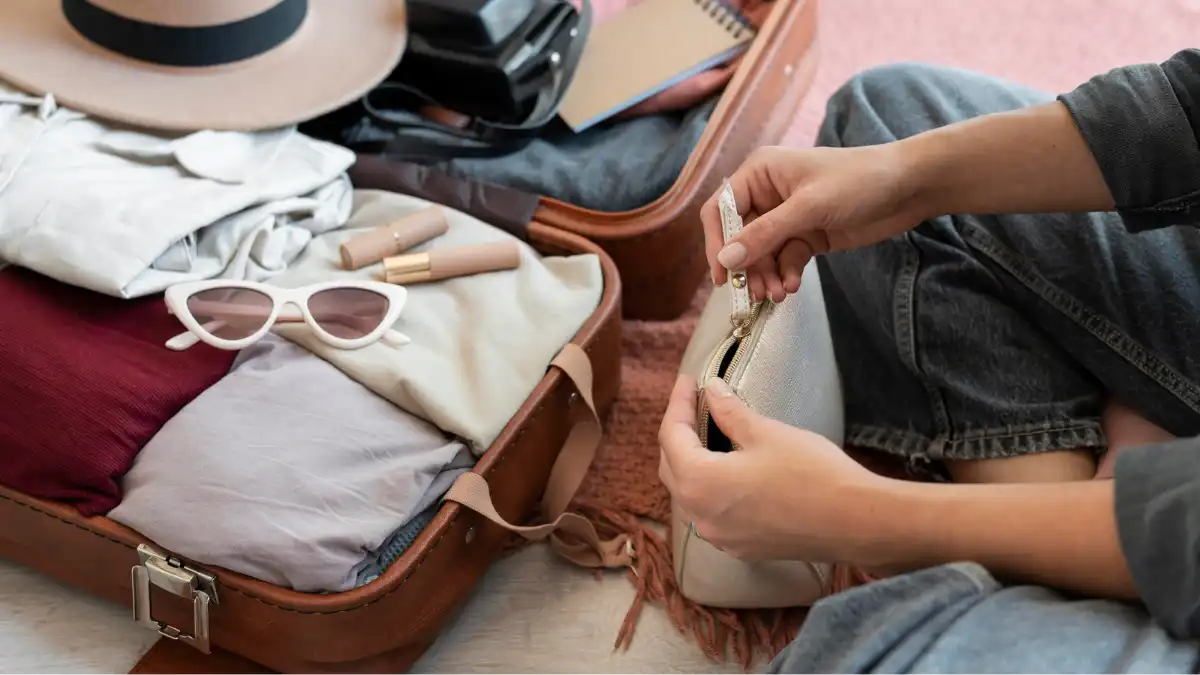
For many residents, the summer trip home is not simply a holiday. It is a return to a parallel life. Medicines bought in bulk, clothes that fill an extra bag, a carry-on stuffed with family photos and gifts. The departure in June is a quiet act of belonging to somewhere else. The return in late August or September is the same act in reverse: the moment when Dubai becomes the primary address again.
Related Stories

The contents of the suitcase help understand what is important. People from the subcontinent bring their food supplies which are not available here, certain brands of clothing, documents to be renewed in the country of origin and sometimes children who are waiting with their grandparents for a few more weeks. Children who have a parent in Dubai, meanwhile, spend the summer vacationing in a different kind of Dubai, one that’s hotter and quieter and one that’s devoid of the school-day schedule that usually governs their week.
The City Restarts with School
The clearest single marker of Dubai’s September reset is school. The UAE has seen 1,180 public and private schools reopen on August 31, and classes officially begin September 4, reports Arabic media outlet Al Bayan. There are some changes to note that will occur in the 2026-27 school year.
New admission age criteria have been implemented, with the admission cut-off date being moved from 31st August to 31st December from this year onwards, which will impact the progression of admitting pupils to the system. In addition, the Knowledge and Human Development Authority announced in May that Dubai private school fees will not go up for the 2026-27 academic year, bringing some relief to those who are struggling with the cost of the return.
Dubai Police have sent 253 security and traffic cops and 28 drones and 775 officers to deal with the traffic during the first day of school. Plus, 217 students were involved in a Safety Ambassadors programme on the same day. That level of operational preparation reflects the scale of what September 1 represents for the city’s daily functioning.
The “Welcome-Back” Economy
Returning to Dubai after summer in late August and early September represent one of Dubai’s busiest inbound travel periods. According to Dubai International Airport’s summer forecasts, DXB consistently handles over 3 million passengers in the peak summer return window. The composition of those arrivals tells a story. There are families with children returning for school, professionals whose companies operate on academic calendars, and first-time arrivals taking up new jobs ahead of the September business season. And there are returning residents carrying more than they left with.
Related Stories

Airports at this time of year offer one of the most honest windows into who Dubai actually is. Travelers arriving in Arabic, Malayalam, Tagalog, Hindi, Urdu, English, and dozens of other languages converge at Terminal 3 or Terminal 1, each returning to a city that means something different to each of them. What they share is the destination and the timing.
Returning to Opportunity and Pressure
September is not only a soft reset. For many residents, returning to Dubai after summer brings a sharp confrontation with everything that was on hold. Rent renewals, visa renewals, bills, work targets, and the general accumulation of what was set aside in June. These are not minor obligations. They are the administrative framework of a life built in a country where residency is tied to employment and cost of living is tied to exchange rates that have been moving through a conflict year.
Furthermore, the cost of returning itself has increased. Flight prices have remained elevated throughout 2026, and school supplies, uniform updates, and back-to-school costs add to the financial pressure of a September re-entry. For lower-income expat families in particular, September is genuinely demanding.
Related Stories

What September Signals About Dubai
The city’s character in September is different from its summer self. Not better or worse, but different. Services that ran lean in July and August come back to full capacity. Restaurants fill at dinner time again. The gym is crowded before 7am. Corporate events and business meetings restart their schedules. Global Village is expected to return in late September or early October. The social and professional life of the city, which operates best when its population is present and active, reasserts itself.
For residents who have been here long enough, September is less a return and more a recognition: that Dubai works best when it is full, noisy, traffic-jammed, and going in twenty directions simultaneously. The stillness of July is manageable. The energy of September is what makes this city what it is.
Read More: Wear Malta × Sorelle Circle: A New Kind of Women’s Experience in Sharjah