A breaking event happens somewhere in the Arab world. Within minutes, a phone video is on TikTok. A WhatsApp group shares a screenshot before the video is even finished uploading. X accounts with large followings quote the tweet of a smaller account. A television reporter files a story three hours later using footage originally shot by someone who happened to be there. By then, the story has already been told, retold, disputed, corrected, and told again. The question of who gets to tell the Arab world’s story is no longer a professional one. It is a civic one, and the Arab Media Summit is the most significant regional gathering attempting to answer it. The summit runs from September 15 to 17 at Dubai World Trade Centre, organised by Dubai Press Club under the patronage of His Highness Sheikh Mohammed bin Rashid Al Maktoum.
From Newsroom to Feed
That transformation which led us here was not a sudden one. But many media organizations are struggling to catch up with the rate of change in the last five years. The Dubai Press Club (DPC) announced that the 2025 edition of the summit saw attendance by more than 8,000 participants from 26 countries, with 175 sessions and nearly 300 speakers. The 24th edition of the event, in 2026, takes the game a step further: over 400 speakers from 23 countries will participate in more than 175 panel discussions and interactive sessions, and around 10,000 media professionals and industry leaders will attend.
Related Stories

That scale increase is indicative of a sector that is experiencing a genuine change. Traditional media used to play the role of gatekeeper. To make a story, a reporter, editor, fact checker and decision to publish are needed. The process was well accountable. These days, the distribution is fully decentralised. A Dubai youth with just 200,000 followers can outperform several newspapers in the region in terms of reach with just a single video. That isn’t a judgment on the creator nor the newspaper. It’s an attitude change that affects all of those who follow downstream: who is legitimate, who is paid, and who is blamed when something that is published is found to be incorrect.
The Credibility Problem
The most difficult part of this conversation is not misinformation itself. It is the ambient uncertainty it produces. When enough false or misleading content circulates alongside accurate reporting, audiences develop a generalised suspicion that makes trust itself harder to maintain. This is the stress that the Arab Media Summit 2026 is attempting to engage directly.
Related Stories

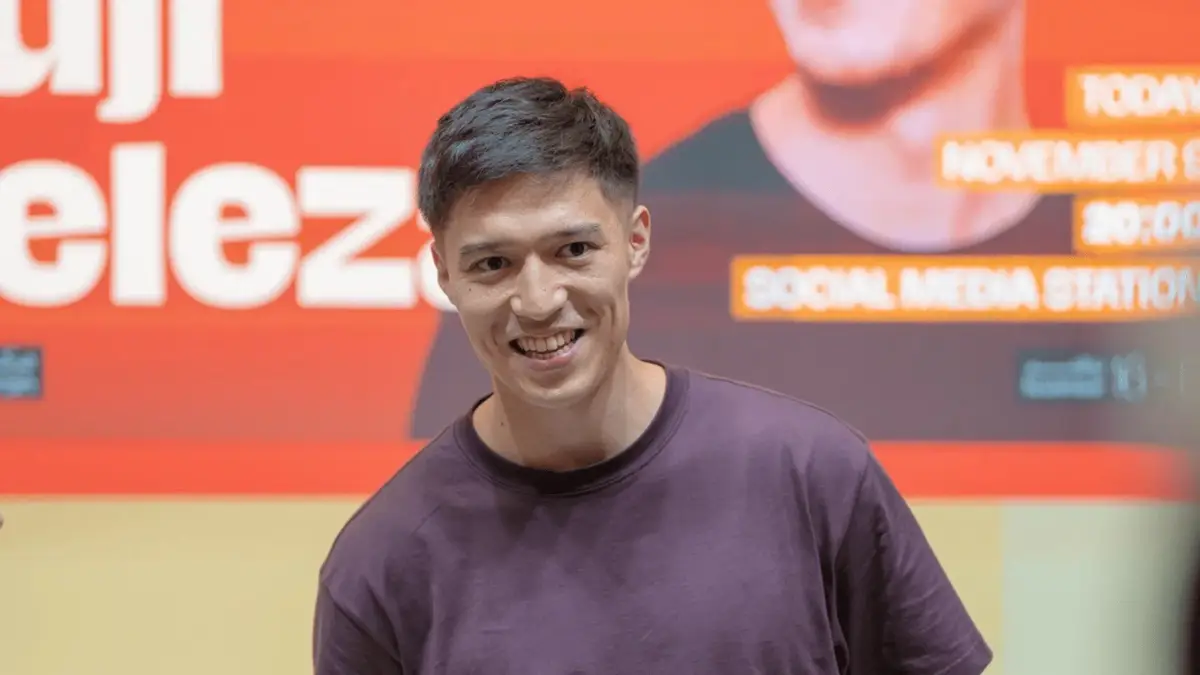
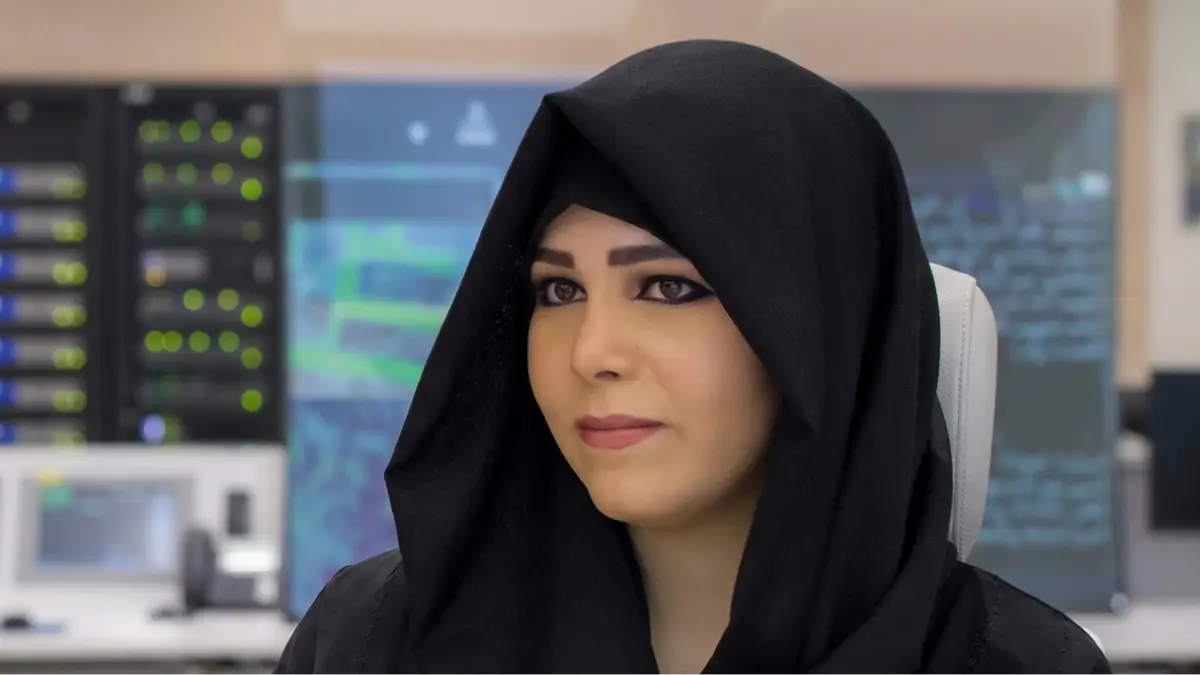
Yuji Beleza, an internationally acclaimed content creator, is among the confirmed speakers. His participation reflects what the summit is genuinely trying to do: put journalists, government communicators, creators, and influencers in the same room, on the same stage, to examine the same industry from their very different vantage points. Furthermore, Her Highness Sheikha Latifa bint Mohammed, Chairperson of the Dubai Culture and Arts Authority, will deliver a keynote address at the summit, with sessions expected to cover culture, identity, creativity, and global influence.
The credibility problem is also an AI problem. AI-generated content can now produce text, images, and audio indistinguishable from human-produced work at scale and at speed. That capability is already being used for both legitimate journalism support and deliberate disinformation. The question of how audiences are supposed to navigate that environment, without becoming so suspicious that they trust nothing, sits at the heart of any serious conversation about Arab media’s future.

Can Creators Make a Career
One strand of this story that rarely gets enough attention is economic. The shift toward creator-led media is real, and it is democratic in some genuinely meaningful ways. However, the economic structure that underlies creator careers is deeply unstable. Algorithm changes can destroy a channel’s reach overnight. Brand deals dry up during periods of regional uncertainty. Platforms take a significant share of revenue. And the pressure to publish constantly, to stay visible to the algorithm, is a kind of labour demand that does not show up in any job description.
The Arab Media Summit includes the Arab Social Media Influencers Summit, the Arab Youth Media Forum, and the Dubai PodFest as co-located events within its broader programme. Each of those forums engages a different dimension of what it means to build a media career today. The inclusion of podcasting and gaming alongside traditional journalism signals that the Dubai Press Club understands the landscape has changed and is convening accordingly.
Why Dubai Is Hosting This Conversation
It is no coincidence that the Arab Media Summit is being held in Dubai. In the last two decades, the emirate has made immense investments in the media sector, including the creation of Dubai Media City, Informa’s regional presence, broadcast facilities and the emergence of a vibrant and thriving creative freelance sector. In addition, it is the hub for numerous foreign newspapers and television stations in the region.
Related Stories

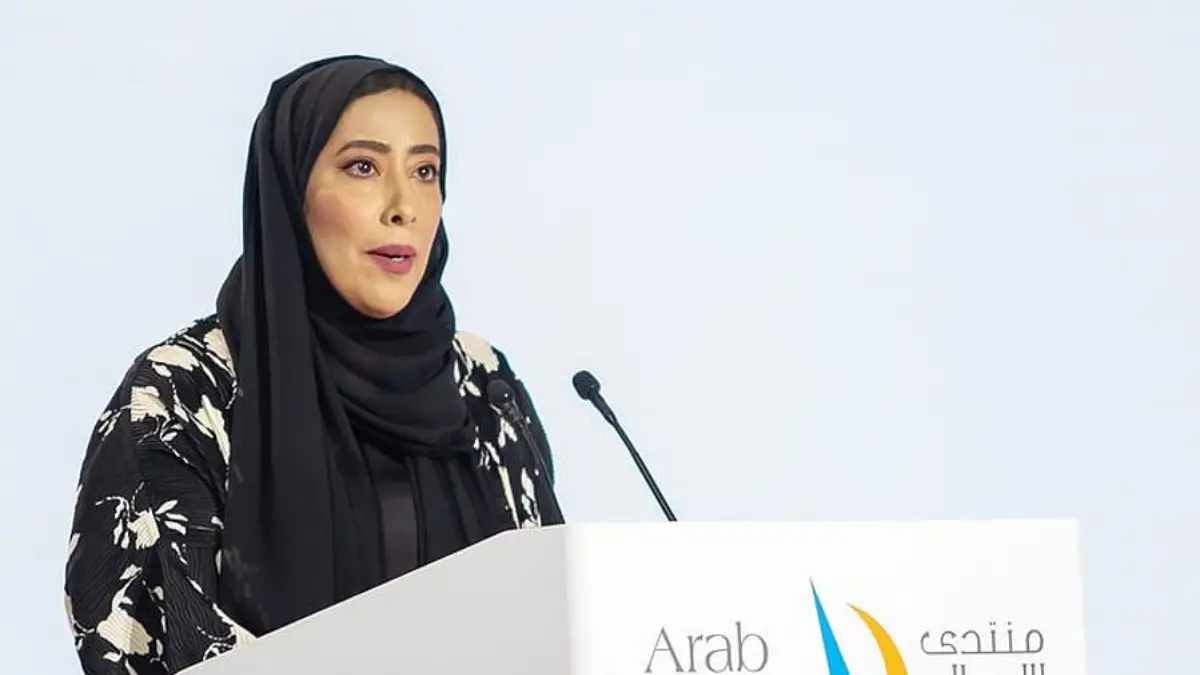
Vice Chairperson and Managing Director of the Dubai Media Council and President of the Dubai Press Club, Her Excellency Mona Ghanem Al Marri said the 2026 summit was a year-long process of collective outreach and foresight to pinpoint the key issues and help to shape the dialogue that will matter to the region’s leading media organisations. This is not a conference where Dubai hosts an industry to talk at, but an attempt by Dubai to convene the industry to talk to itself, and to do so at a moment when the stakes of that conversation are unusually high.
More Voices, More Responsibility
The Arab Media Summit begins in thirteen days. What it can achieve in three days of sessions is limited. However, what it can do is put the right questions clearly on the table: who is seen as credible and why, what the economics of media work actually look like for the people doing it, and whether digital reach is a substitute for journalistic accountability or something that needs to exist alongside it.
More people can tell stories today than at any point in the history of the Arab world. That is genuinely democratic and genuinely powerful. However, reach is not the same as responsibility. The most important question the Arab Media Summit may leave unanswered is not who has a microphone, but who earns trust once they use it.
Read More: DEKA FIT Dubai Is Turning Fitness Into a Competition