

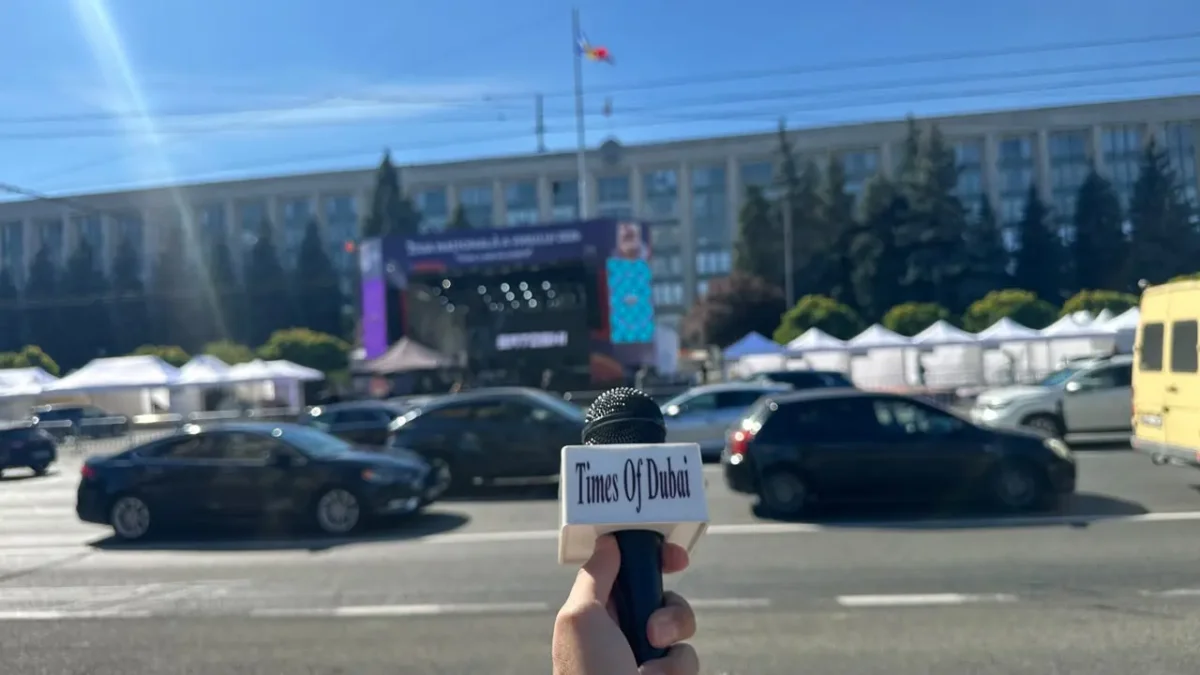
Chisinau, Moldova, 02 October 2026: The preparedness of Moldova as a country was writ large through the Moldova Business Week, and from day one itself, with a huge turnout of over 600 attendees at the opening.
Over the days that followed, the scale and intent of the programme became even clearer. With nearly 50 countries participating and more than 30 curated events, Moldova Business Week brought together conversations around Moldova’s push for greater integration into the European economy, sectoral investment opportunities and its growing potential as an exporter of services.
Times of Dubai was on the ground and in the moment, witnessing many of these developments first-hand — not just hearing about Moldova’s ambitions, but seeing how some of them are already taking shape.
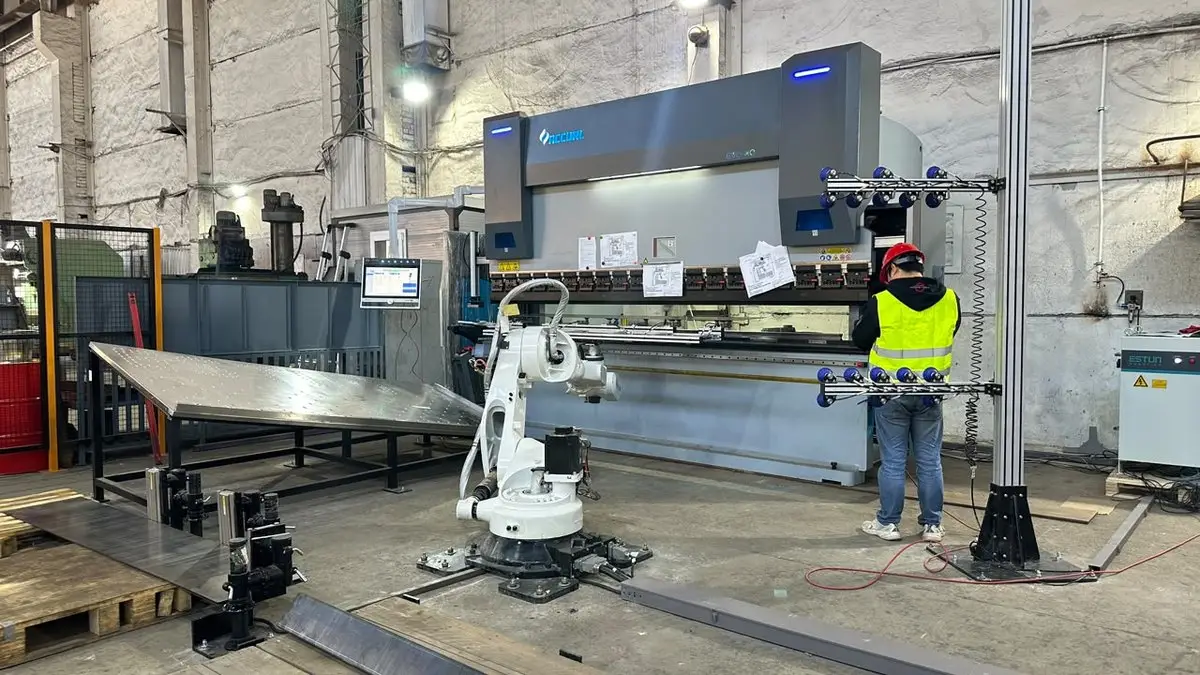
World’s Finest Cars Have a Moldovan Secret
From automotive manufacturing and infrastructure to IT, agriculture, fashion, real estate and tourism, the opportunities are spread across sectors.
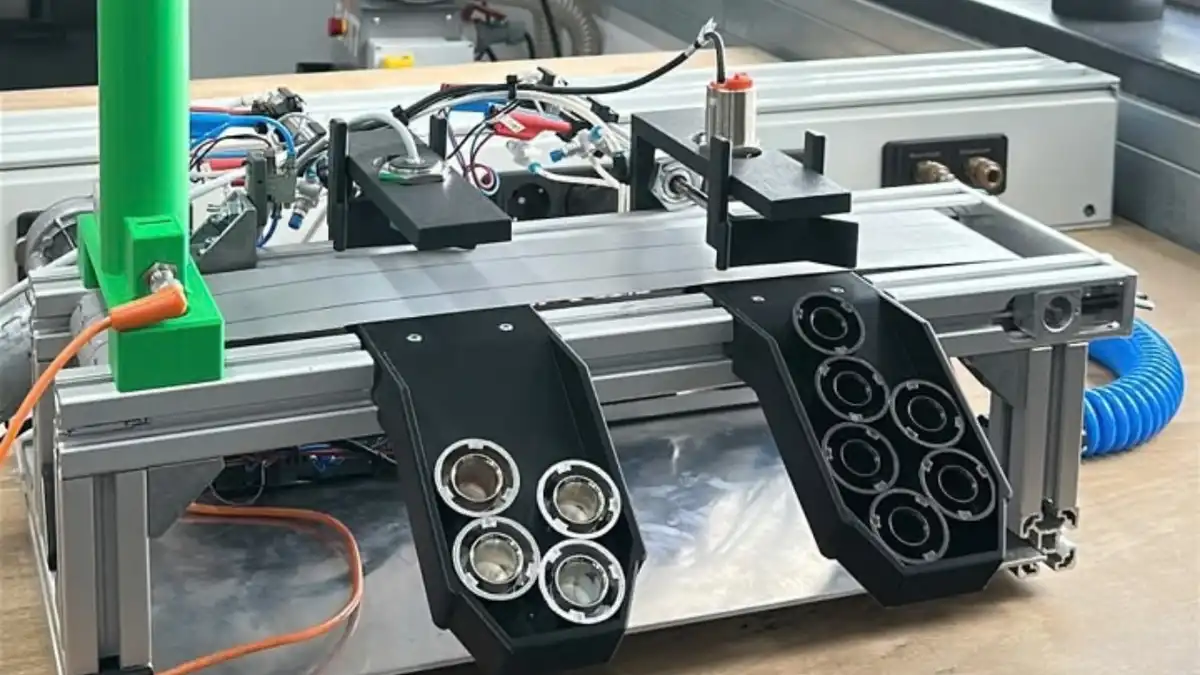
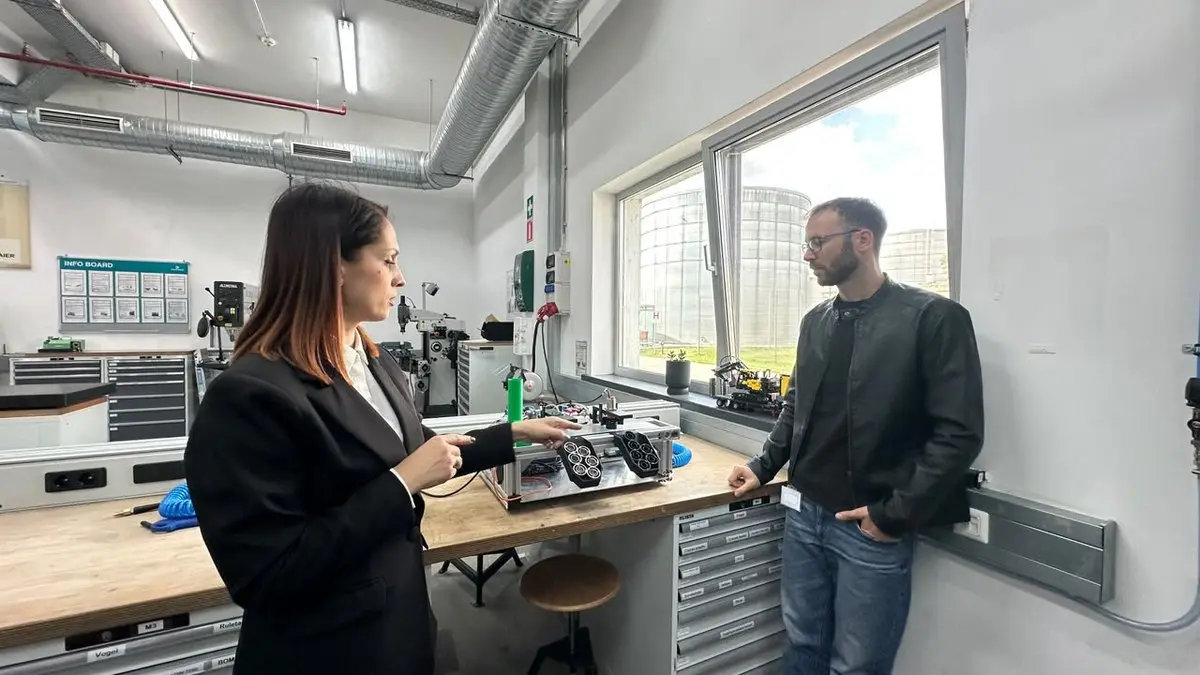
One of the most interesting examples was seeing how German automotive company DRÄXLMAIER has made Moldova its home. The company has been in Moldova since 2007 and today has operations in Bălți, Cahul and Chișinău, producing complex electrical wiring harnesses and components for some of the world’s most prestigious automotive brands.
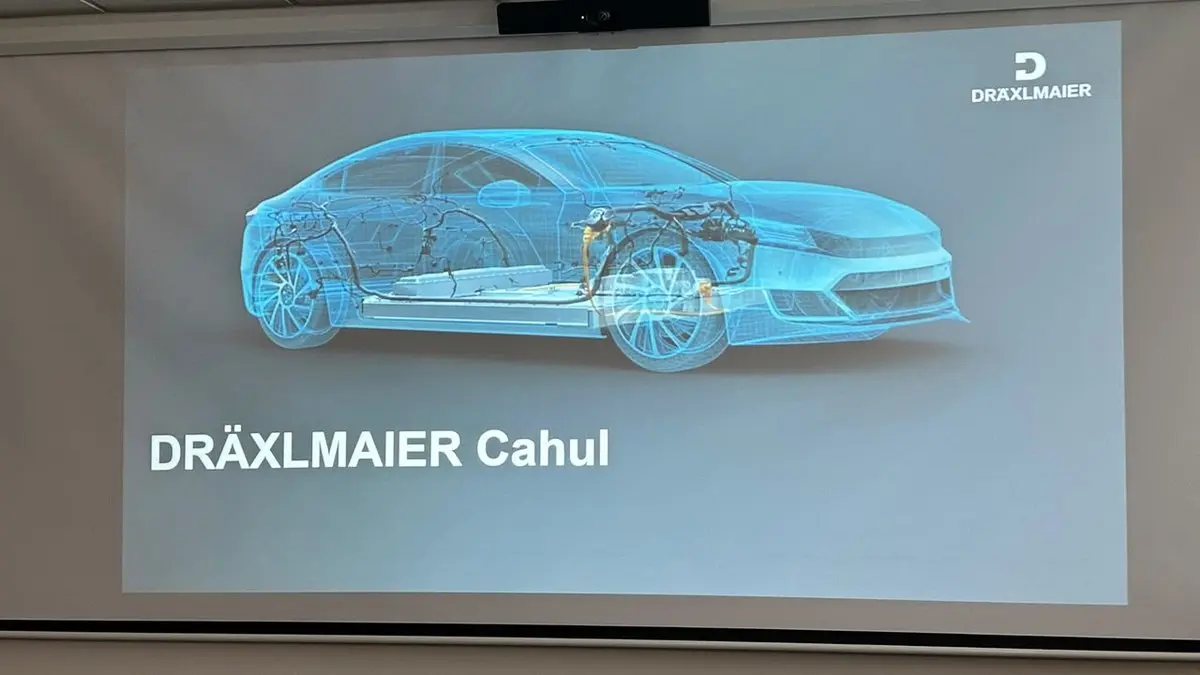
And these aren’t obscure names. BMW, Porsche, Audi, Lamborghini, Volvo, Jaguar Land Rover, Mercedes-Benz, Volkswagen and Maserati are among the brands associated with DRÄXLMAIER’s global customer base and its operations in Moldova. These are cars that are a regular feature on UAE roads — and the electrical systems and wiring that help power so many of them have a connection to Moldova.
It was one of those moments that puts Moldova’s industrial potential into perspective. What may look like a relatively small country on the map is already plugged into some of the world’s most sophisticated automotive supply chains.
Then there was infrastructure — and perhaps one of the most symbolic projects we saw on the ground.
A Bridge With a Bigger Purpose
The new Ungheni–Ungheni road bridge, also known as the Bridge of Flowers, is being built across the Prut River, connecting Ungheni in Moldova with the Romanian side. Construction began in April 2025 and the bridge is designed to operate to motorway standards, with two parallel structures and two lanes in each direction. At 261 metres, it will become a major new road link between the two countries.
But the significance of this bridge goes well beyond simply crossing a river.
It will connect Moldova directly into Romania’s A8 Târgu Mureș–Iași–Ungheni motorway, with the project also providing for the first kilometres of motorway on the Moldovan side. The current plans include approximately 4.7 km of motorway from the bridge towards Moldova’s road network, while the Romanian A8 section towards the Prut includes the final 15.5 km on the Romanian side.
A new Ungheni–Ungheni international border crossing point will form part of the infrastructure. Once the bridge is completed, it will provide direct access to Romania’s motorway network and the wider European TEN-T transport network, helping facilitate the movement of people and goods and potentially reducing pressure on existing crossings such as Leușeni–Albița and Sculeni–Sculeni. The bridge and associated border infrastructure are being supported through European funding.
Standing there and seeing the construction first-hand, you begin to understand that this isn’t just about a bridge. It is about Moldova physically building another connection with the European economy.
And there was much more.
Heritage and Untapped Tourism
Moldova’s agricultural potential is hard to miss. The country is blessed with some of the most fertile black soil in Europe and a climate that lends itself naturally to agriculture and food production. Its underground wine cities — from Cricova to Mileștii Mici — stretch for hundreds of kilometres and house millions of bottles, while also offering Moldova a tourism proposition that is distinctly its own.
The Ambition That Reminded Us of Dubai
What struck us most on the ground, however, was the ambition.
There was a sense that Moldova is not simply looking at what it has today, but at what it can build tomorrow. And in many ways, it reminded me of a lesson Dubai has demonstrated to the world: challenges do not necessarily have to define a country’s potential. Location, limitations and geography can become opportunities when there is the vision, investment and infrastructure to build around them.
Moldova has a unique strategic position — sitting between Romania and Ukraine and at the eastern edge of the European Union. Its proximity to major European markets, its growing services sector, competitive talent and investment opportunities give it a proposition that is increasingly difficult to overlook.
Numbers Behind Moldova’s Rise
The numbers also tell an interesting story. The European Union already accounts for more than two-thirds of Moldova’s goods exports, while the country has attracted more than €5 billion in foreign investment stock. And for the UAE, connectivity has become even easier with flydubai’s direct service between Dubai and Chișinău.
That connectivity matters because the UAE and Moldova have plenty of scope to build a stronger relationship — across trade, investment, tourism, technology, agriculture and services.
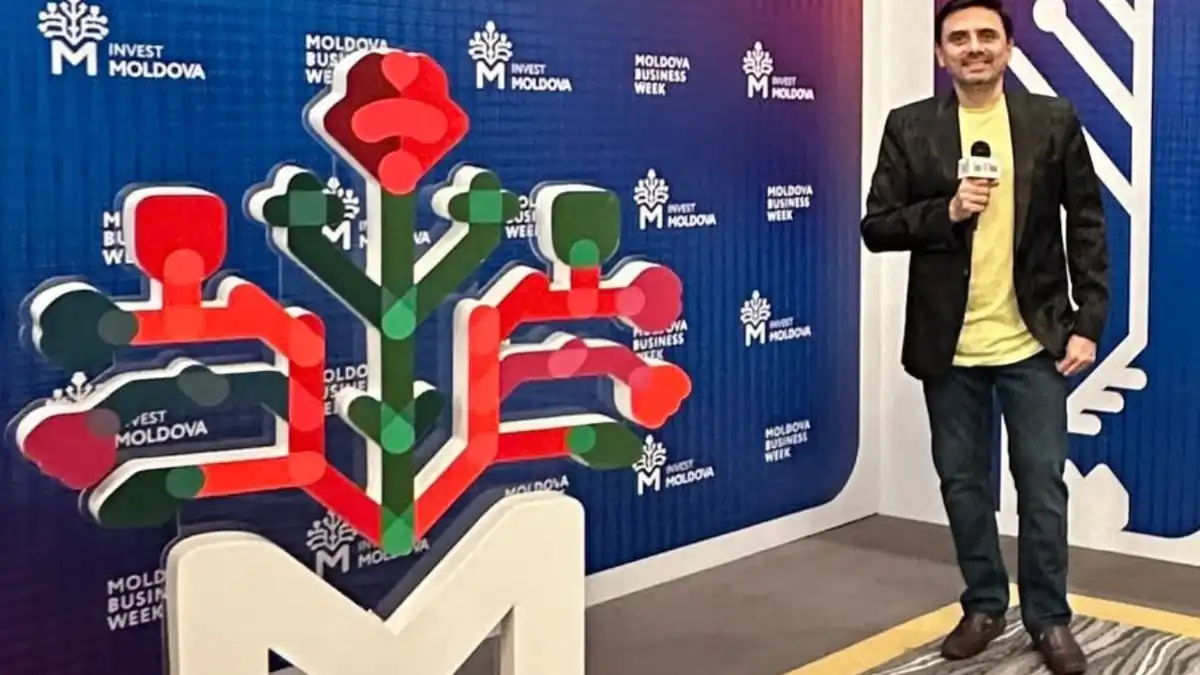
What Times of Dubai Saw on the Ground
For Times of Dubai, Moldova Business Week was therefore much more than a series of conferences and business meetings. It was an opportunity to get beyond the headlines and experience a country that is actively trying to position itself for the next phase of its growth.
Moldova may still be one of Europe’s lesser-known countries, but after spending these days on the ground, one thing is clear: the country is determined to make its strategic advantages count.
From the factories producing the electrical systems of cars we see every day on UAE roads, to a bridge being built to connect Moldova more directly with Romania and the European road network, the story is one of a country building connections — with markets, with industries and with Europe.
And if the ambition we witnessed during Moldova Business Week translates into sustained investment and execution, it may not be long before Moldova is a name that features much more prominently on Europe’s economic map.