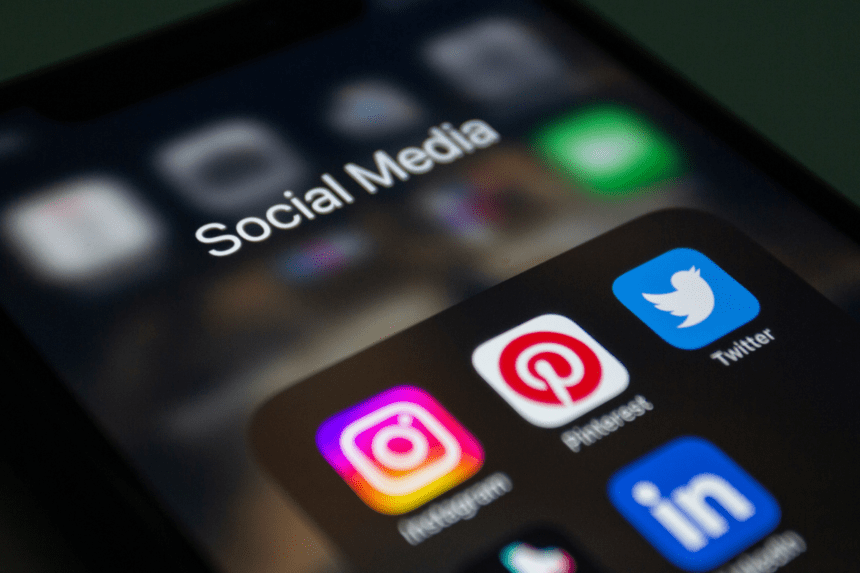
December 12, 2025 | Dubai, UAE: The digital landscape for young people in Australia has been irrevocably altered. leading to Australia Social Media ban. At midnight on December 10,2025 Australia’s landmark social media ban for children under the age of 16 officially took effect immediately locking millions of underage users out of platforms like Instagram and YouTube (for personal accounts) Facebook TikTok and Snapchat.
This sweeping Australia Social Media ban is a direct response to escalating concerns over youth mental health, addictive platform design and exposure to harmful content shifting the burden of age enforcement from parents to the tech behemoths themselves.
The introduction of Australia Social Media Ban is not merely an inconvenience, it represents a profound and forceful regulatory intervention. It sets a global precedent for how governments might wrestle control back from the largely unregulated digital sphere.

The fines for noncompliance are steep, reaching up to A$49.5 million (approximately $33 million) ensuring that the stakes are high for every platform operating within the country’s borders. As this policy rolls out the world’s governments, tech companies and parents are observing closely to gauge its efficacy and its inevitable ripple effects.
The Mandate Age Verification and Corporate Accountability
The core of the new legislation is mandatory and robust age verification. No longer is it sufficient for social media giants to rely on users ticking a box stating they are over 13. The Australia Social Media Ban requires platforms to implement verifiable age-gating mechanisms to both deactivate existing underage accounts and block the creation of new ones.
The verification methods are comprehensive and intrusive including options such as uploading government-issued identification using biometric analysis via “age estimation” selfies or employing advanced behavioral analysis to detect accounts linked to minors. This mandate fundamentally redefines corporate accountability.

Instead of placing the impossible task of policing screen time and content on individual parents the law makes clear that the responsibility for ensuring a child’s safety lies squarely with the platform providers who design the addictive and often harmful ecosystems.
For instance children in Australia are still able to access YouTube content but the rules explicitly state they will not be allowed to possess their own personal accounts under the new regime. The sheer scale of enforcement required to comply with the Australia Social Media Ban necessitates a massive immediate technological overhaul by these global companies, many of whom have historically resisted such stringent age-verification requirements citing technical difficulty and concerns over user privacy.
Implementation and Immediate Public Reaction
The implementation of the new law was swift even before the midnight deadline. Leading up to December 10 Meta the parent company of Instagram and Facebook began the process of shutting down accounts it flagged as belonging to children under 16 notifying users and offering limited appeal processes.
Reports suggest Meta deactivated hundreds of thousands of accounts in the days preceding the ban. Other platforms like X (formerly Twitter) have offered more resistance with owner Elon Musk publicly criticizing the policy as “overreach.”
Overseeing the transition is eSafety Commissioner Julie Inman Grant who has adopted a “graduated” enforcement approach. This strategy prioritizes immediate compliance from high-risk platforms while acknowledging that full instantaneous compliance across the entire digital ecosystem is unfeasible. The goal is to enforce the spirit of the Australia Social Media Ban by targeting the worst offenders first.
The reaction from the Australian public has been sharply divided. Parents many of whom have watched helplessly as social media addiction and online bullying have taken a significant toll on their children’s mental health have largely applauded the move. They see the Australia Social Media Ban as a necessary circuit-breaker one that will force teenagers back into real-world interactions and healthy developmental activities.
Conversely teenagers themselves have widely decried the legislation as excessive. For many 14 and 15 year olds social media platforms are the primary way they communicate socialize and connect with their peers. As one 15 year old quoted in reports noted “I can’t picture not using it entirely” highlighting the depth of integration these platforms have achieved in modern youth culture. The Australia Social Media Ban is therefore seen by many teens as a restrictive measure impeding free expression and connectivity.
Global Implications and the Ongoing Debate Protection or Overreach
The consequences of the Australia Social Media Ban extend far beyond Oceania. The policy has immediately captured international attention particularly in countries facing similar crises in youth mental health. The United Kingdom is monitoring the situation closely and has previously implemented age gating for adult content sites indicating that no child-protection measure is off limits .
In the United States states like Florida and Utah have passed or are pushing similar laws though federal hurdles and powerful lobbying by tech firms remain major obstacles.
Proponents argue that the ban is vital for fostering healthy development, reducing instances of cyberbullying and mitigating the documented harm linked to excessive screen time and algorithms which are designed to promote polarizing content. The underlying ethos is that in the absence of self-regulation by platforms government intervention is the only ethical recourse to protect minors.
Critics however raise serious concerns about implementation and civil liberties. Internet rights groups have already launched a High Court challenge against the Australia Social Media Ban fearing it represents a curb on free speech and sets a dangerous precedent for government control over digital platforms.
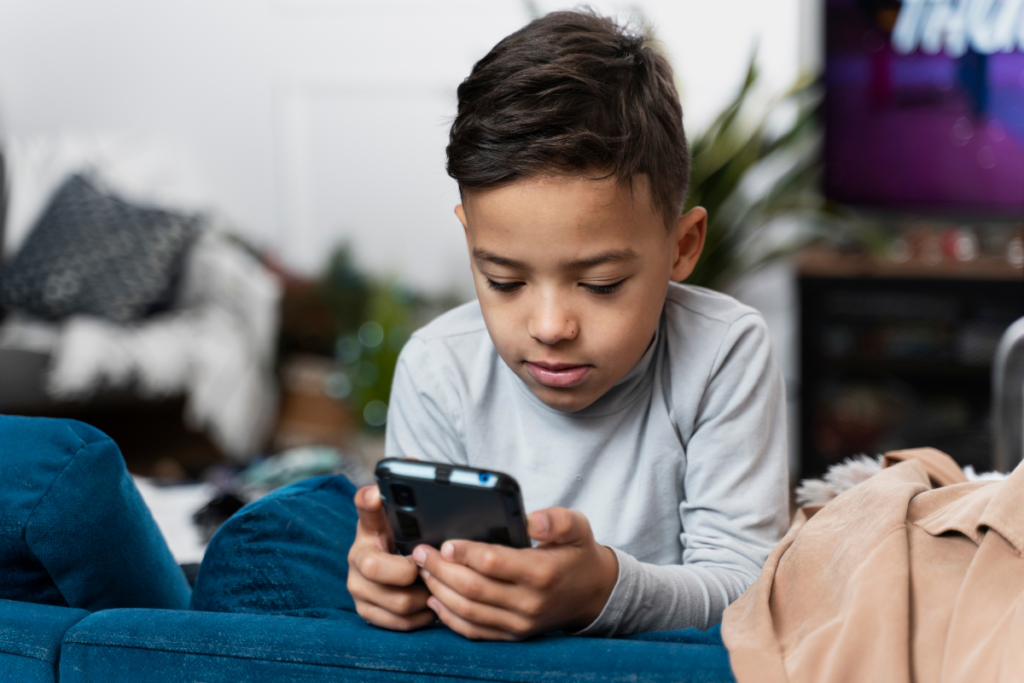
There are also grave concerns about data privacy as the mandatory age verification systems often require highly sensitive information be it selfies or ID uploads that could be vulnerable to breaches. Furthermore some studies suggest the links between social media and mental health issues are not definitively conclusive leading critics to question the true efficacy of such a drastic measure.
The Australia Social Media Ban is the first of its kind a nationwide mandate against social media access for a large segment of the population. Whether it proves to be a blueprint for a safer digital future or a cautionary tale of government overreach the policy has already succeeded in doing one thing forcing a global reckoning with the true cost of digital childhood. The eyes of the world remain fixed on Australia as the nation navigates this profound transformation.