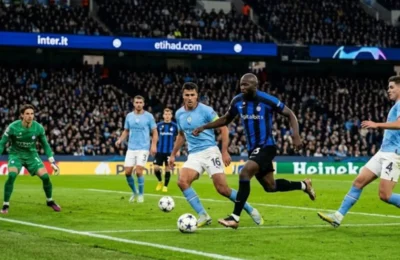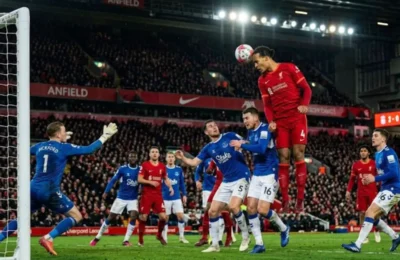

It doesn’t look obvious at first. You watch a game, one team has the ball, they look comfortable, everything seems under control. Then the result goes the other way. And it keeps happening. Across this season’s Champions League knockouts, there’s a bit of a split in how teams are playing. Some want to control everything. Others are fine without it. Right now, the second approach is working more often.
Control Looks Good… But It Doesn’t Always Last
There’s still a strong belief that if you control the ball, you control the game. Teams like Bayern or Arsenal have shown that. Long spells of possession, structured build-up, pushing the opponent back. It all looks right.
Related Stories

And to be fair, it usually is. You get territory, you get shots, you keep the game where you want it. But there’s a catch. Control doesn’t protect you from what happens next. Lose the ball once, just once in the wrong area, and suddenly everything opens up. That’s the part that’s becoming harder to deal with.
Control Looks Good… But It Doesn’t Always Last
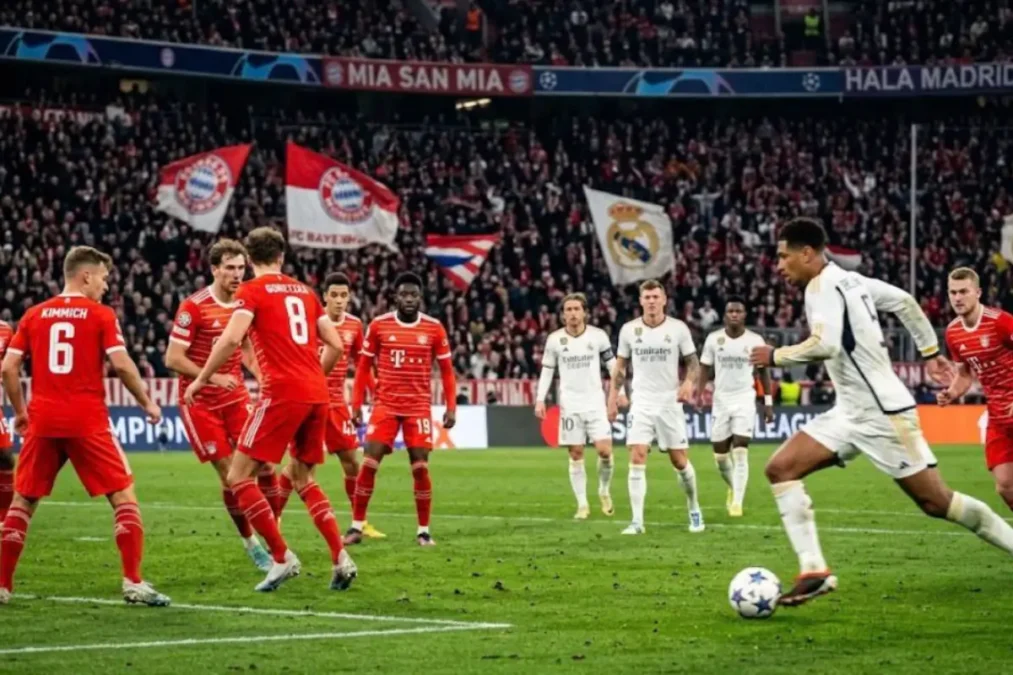
You could see it clearly in Bayern vs Real Madrid. Bayern had more of the ball, more control over the tempo. For long stretches, it looked like they were the ones dictating things. Madrid didn’t really try to match that.
They sat in, stayed compact, and just… waited. It didn’t look dominant. It didn’t even look comfortable at times. But they were still in the game. And that’s the key. They don’t need to control it. They just need the game to stay close enough. From there, one moment is enough.
Liverpool vs PSG Felt Very Similar
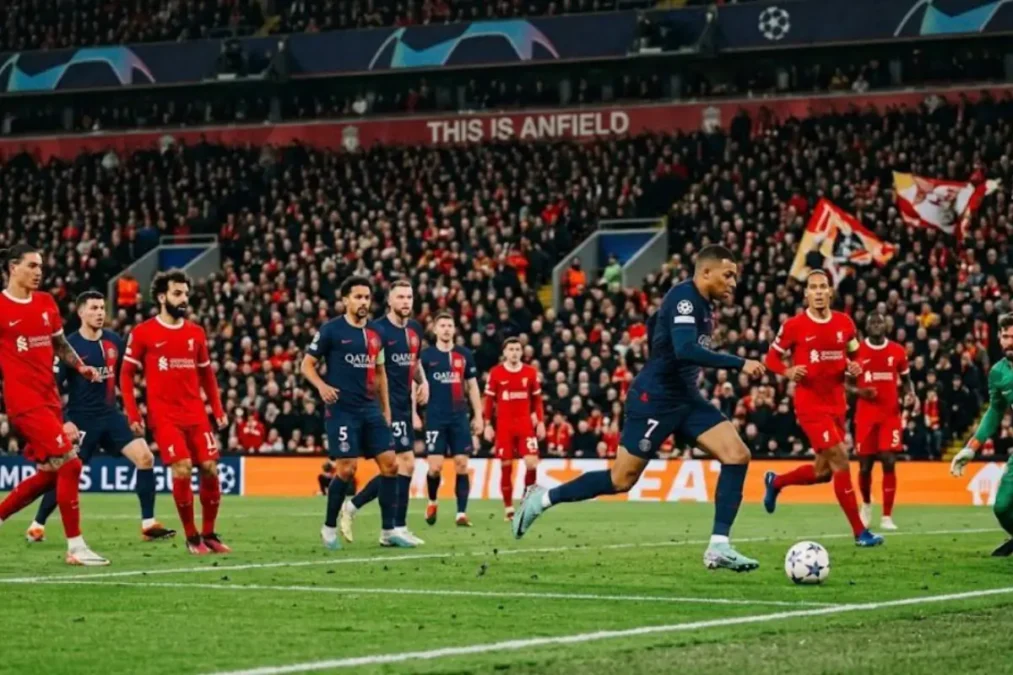
Liverpool’s game against PSG had the same feel, just with different teams. Liverpool pushed, pressed, created pressure again and again. You could see what they were trying to do. It wasn’t random.
But it never fully turned into something decisive. PSG didn’t panic. They didn’t chase the game. They stayed in shape, waited, and when the space appeared, they went straight through it. One transition, one clean attack, and suddenly the whole game looks different. It’s a strange feeling watching it. One team does more, the other does less — but the result doesn’t match that.
Arsenal Show the Other Side of It
Arsenal’s game against Sporting was slightly different but still connected. They had control. Probably the safest performance out of the three examples. Nothing chaotic, nothing too risky. They managed the game well and got through. But even there, something felt missing.
It was controlled, yes. But not always threatening. The kind of control that keeps you safe but doesn’t always win games comfortably. And that’s where the line is right now.
Why This Keeps Happening
Part of it is how organized teams have become. Defensive shapes are tighter. Midfields don’t open up as easily. You don’t get the same space as before, especially in big games. So, teams adapt.
Instead of forcing things, they sit, stay compact, and wait for mistakes. Because mistakes are easier to create than clear chances. And once the mistake happens, everything is quicker. Transitions are faster, decisions are sharper. There’s less time to recover.
Too Much Control Can Become a Problem
There’s also a risk that comes with trying to control everything. The more you push forward, the more space you leave behind. The more you rely on structure, the more dangerous it becomes when that structure breaks.
That’s exactly what efficient teams look for. They don’t need ten chances. They just need one situation where things aren’t perfectly set. And in knockout games, that’s usually enough.
It’s Not About Playing Better Anymore
This is probably the uncomfortable part. The better team — at least in terms of control — doesn’t always win. Sometimes it’s the team that makes fewer mistakes. Sometimes it’s the team that reacts quicker in one moment. It doesn’t feel fair when you watch it, but it keeps happening.
Final Thought
Control still matters. It helps you manage games; it gives you structure; it keeps things stable. But it’s not deciding games on its own anymore. Efficiency is.
And until something shifts again, teams that are comfortable without the ball — and ready for those small moments — are going to keep finding ways through.
Also Read: Arsenal scrape through despite flat display against Sporting