
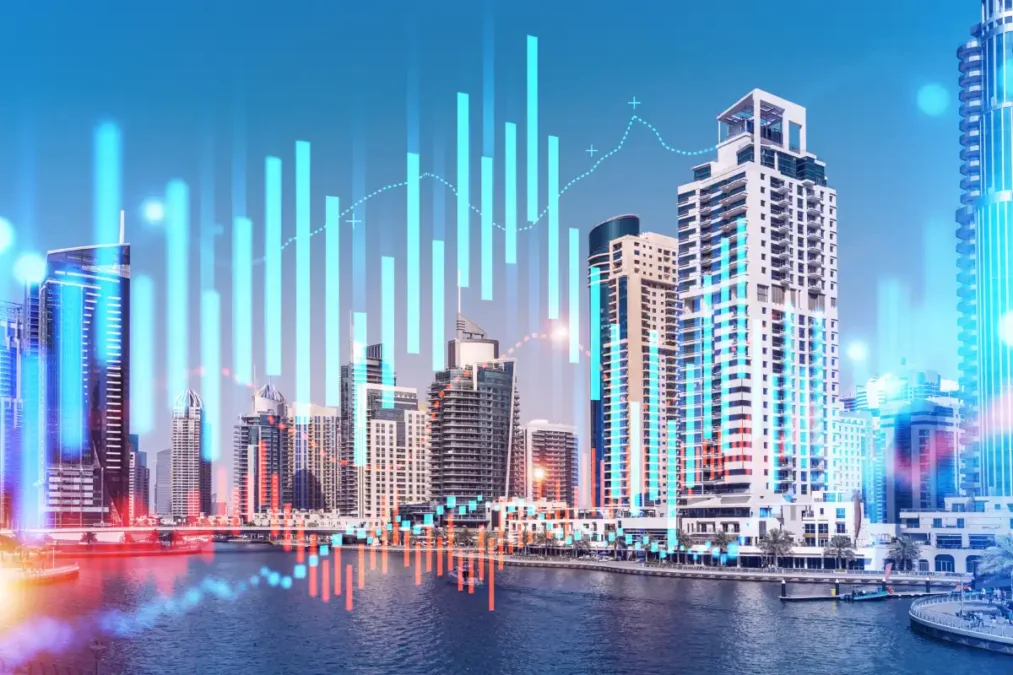
The city of Dubai has given its approval to a major urban development plan, which is supported by investments over Dh2 billion, with an emphasis on improving neighborhoods, extending access to public services, and promoting long-term growth.
This plan, which was announced on 27 October 2026, is the Urban Centres Development Plan and seeks to establish more connected communities in which homes, workplaces, transport, and everyday services are easier to access.
Related Stories

It is anticipated that the plan will boost the real estate value of the designated urban areas by 20 billion dirhams by 2040; for residents, companies, and property investors, the initiative reflects Dubai’s ongoing commitment to sustainable urban planning and to improving the quality of life in the emirate.
What the Plan Includes
The Urban Centres Development Plan includes 48 urban centres in Dubai, such as six major centres and 42 smaller subordinate centres. Taken together, these areas make up about 12% of the city’s urban area.
The aim of the initiative is to make housing, job opportunities, and public services more closely linked, especially in the areas around public transport hubs. Dubai intends to establish communities that are more accessible and efficient for residents by better organizing the neighborhoods.
The plan will follow three priorities: quality of life, economic returns, and efficiency and cost of the infrastructure. This is so that urban growth may take place while making better use of the existing infrastructure and public resources.
More Residents Near Metro Stations
A major aim is to boost the percentage of people who reside near metro stations in Dubai. The plan intends to increase this figure from 52 per cent to 74 per cent in order that public transport may become more accessible to a greater part of the population.

Living near metro stations can make daily commuting more convenient and decrease one’s need for private cars for some trips; improved links between residential areas, workplaces, and transport networks can also help residents to access a greater range of opportunities throughout the city.
Public Services Coverage to Increase
The plan also intends to increase coverage of public services from 74% to 85%, this target showing Dubai’s emphasis on improving access to essential services as the population and urban areas keep on growing.
Public services are important in making neighborhoods suitable places in which to live, since having better access to facilities and services reduces the need for long journeys and helps people to carry out their daily routines more efficiently.

As the plan moves forward, coordinating the infrastructure and the provision of services with the needs of the population will be a key element in establishing more integrated communities all over Dubai.
What It Could Mean for Dubai’s Property Market
The development plan should result in a rise in the real estate value of the designated urban areas by 2040 amounting to Dh20 billion; this is one of the key economic aims of the investment.
Better transport links, easier access to services, and more well-organized neighborhoods can have an effect on the appeal of areas used for residential and commercial purposes. Areas that become more convenient for living and for working may also draw more interest from residents, companies, and property investors.
The expected increase refers only to the objective set out in the plan and not to a certain rise in the prices of individual properties. The actual performance of the market will be determined by a number of factors, such as demand, supply, and the general economic conditions.
Supporting Dubai’s Long-Term Growth
The urban development program is part of Dubai’s broader strategy for balancing economic growth with increasing population numbers and the readiness of its infrastructure.
Dubai also approved the Sustainable Population Planning Policy at that same Executive Council meeting. The aim of this policy is to link up population forecasts with economic and urban planning so that the authorities can prepare public services and infrastructure in accordance with future needs.
The method is intended to make better use of the facilities already in existence and at the same time to determine where extra services and infrastructure will be required. By matching development with changes in population, the emirate will be able to plan for the changing needs in the areas of residence, employment, and services.
What Residents and Businesses Should Know
For the residents, the main point of the plan is to create more closely connected neighborhoods, improve access to public transport, and extend the reach of public services. The aim is to make daily life more convenient as Dubai keeps on developing.
Businesses can also gain from urban areas that link up employment zones with residential communities and transport systems. Better accessibility can help to promote local business and make some places more appealing to both customers and employees.
Property investors might want to keep an eye on the areas in question as the projects move forward. Nevertheless, when making an investment decision, it is necessary to take into account the particular features of the location, the state of the market, and the real implementation of the proposed improvements rather than basing the decision entirely on expected rises in property value.
Looking Ahead
The UAE’s plan costing Dh2 billion aims to make a long-term investment in the emirate’s urban environment and includes 48 urban centers with the objective of improving connectivity, extending public services, and promoting sustainable economic growth by 2040.
The main objectives are to raise the percentage of residents living within a short distance of metro stations to 74 per cent, increase coverage of public services to 85 per cent, and help boost the real estate value of the designated areas by Dh20 billion.
The main aim is to set up communities that are simpler to navigate, more closely connected, and better able to meet the needs of residents. The extent of the impact as the implementation proceeds will depend on how well transport, infrastructure, housing, and public services go hand in hand.
Also Read: Dubai Forum Targets Your Favorite App’s Quiet Market Dominance