
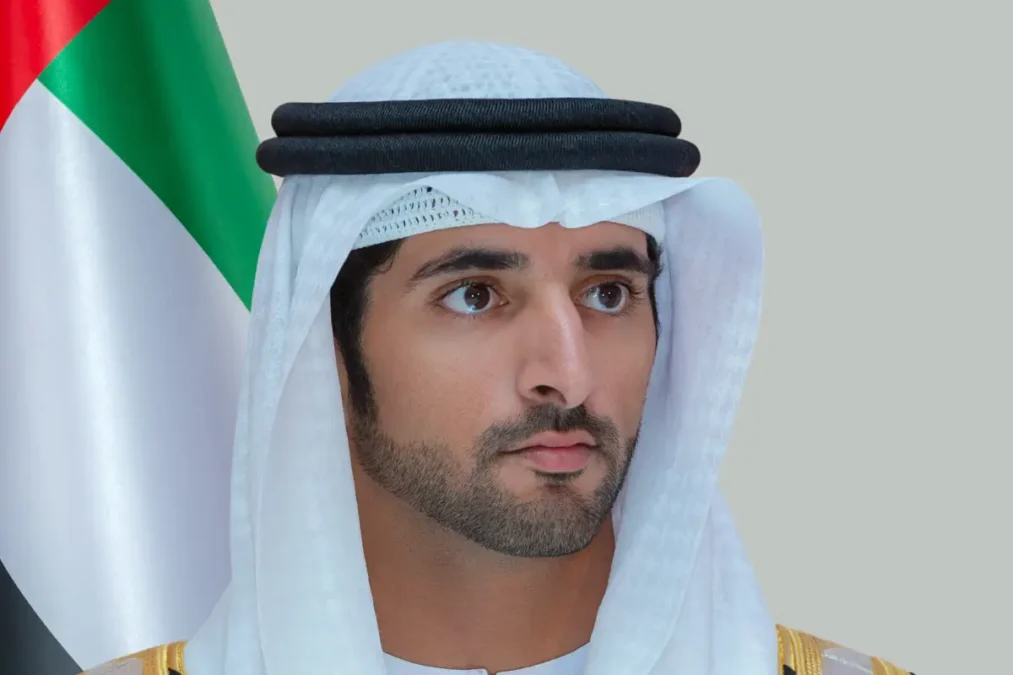
By late March, the Iran war had reached its second week and companies were still trying to understand the implications of the war on their business in Dubai, and the government had responded with a first Dubai economic incentives package of AED 1 billion. It was clear that the government knew what was going on and was ready to take action. That message was repeated, amplified and made permanent on Wednesday, May 21.
Dubai Crown Prince, Sheikh Hamdan bin Mohammed also accepted a second package of economic incentives worth AED 1.5 billion that will make the total value of support introduced in less than two months AED 2.5 billion, the Dubai Media Office said. The scale matters.
Related Stories

AED 2.5 billion in direct economic facilitation, delivered across 33 separate initiatives spanning nine sectors, in less than eight weeks, is not a reactive response. It is a coordinated, systematically designed economic protection strategy. Furthermore, the speed of deployment of the Dubai economic incentives package is itself a statement.
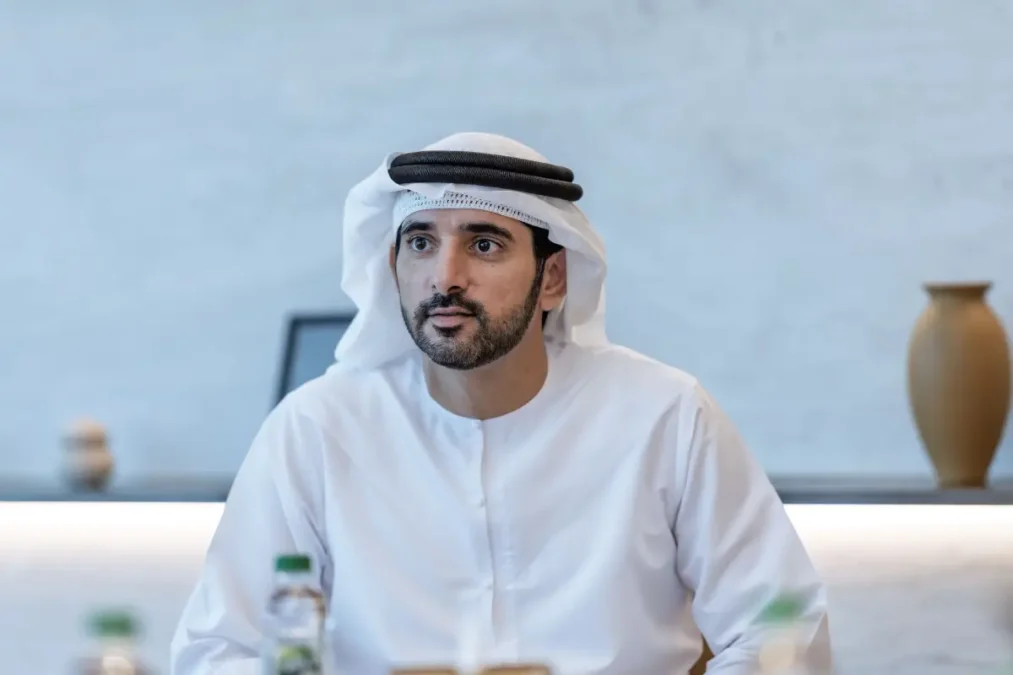
What Dubai Economic Incentives Package Contains?
The second Dubai economic incentives package spans government fees and services, tourism, trade and logistics, real estate, construction, education, arts and cultural activities, civil aviation, transport, and customs, with implementation timelines ranging from three to twelve months, according to the Dubai Media Office. Breaking it down sector by sector reveals the precision of the targeting.
In tourism, the relief is extensive. Establishments registered with the Dubai Department of Economy and Tourism receive exemption from the Tourism Dirham and sales fees on hotel rooms and restaurants, exemption from permit and licence fees for holiday homes, exemption from event permit fees, and all postponement and cancellation fees for events, exhibitions, and conferences. Tour guide fees and desert safari activity fees are also reduced. For a hospitality sector that saw occupancy rates drop sharply when aviation collapsed in March, these exemptions directly reduce fixed cost burdens during the recovery period.
Related Stories

In education, private institutions registered with KHDA benefit from deferral and installment of licence renewal fees. Early childhood facilities receive full exemption from licence renewal fees, fines, and Dubai Municipality market fees. The Knowledge Fund has introduced partial rent exemptions, extended rent-free periods for centres under construction, and a freeze on scheduled rent increases upon renewal. These measures protect one of Dubai’s most significant household expenditure categories. Moreover, they send a signal to international school operators evaluating their long-term commitments to the city.

In customs, businesses can now pay outstanding amounts on import customs declarations in installments, and fines for customs cases have been reduced by 80 percent. For a trade-dependent city where customs compliance costs compound quickly during periods of supply chain disruption, an 80 percent fine reduction is a meaningful liquidity injection for importers and traders caught by the war’s disruption to normal trade flows.
Dubai Customs measures include the option to pay outstanding amounts on import customs declarations in installments, and an 80 percent reduction in fines for customs cases. For real estate and construction, building permit validities are extended under Dubai Municipality, and housing construction loan approvals for UAE nationals under the Mohammed bin Rashid Housing Establishment are extended by one year. That extension is particularly significant given the war’s impact on construction timelines and materials supply chains.
Sheikh Hamdan’s Economic Stimulus: Who Benefits Most?
The Dubai economic incentives package is explicitly designed around businesses that face the most acute war-related pressure. Companies facing temporary business continuity challenges, specifically named as desert safari and camping operators, marina-related businesses, aviation-related activities, drone and fireworks companies, and event management companies, receive a one-time full exemption from market fees, accommodation allowance fees, general cleaning service fees, and foreign trade name fees. These are precisely the businesses that depend on tourism, outdoor activity, and event-driven foot traffic. They are the businesses the war hurt first and most visibly.
Related Stories

For the broader business community, the Dubai Department of Finance reduces the final retention security for government supply contracts from 10 percent to 2 percent, and raises the threshold for final insurance exemption from AED 5 million to AED 10 million. Furthermore, the Mohammed bin Rashid Establishment for SME Development extends membership licences by two additional years for all companies whose memberships expire in 2026. Both measures directly reduce the administrative and financial burden on small and medium enterprises. They are also the measures most likely to prevent business closures in the months ahead.

Dubai Business Support: Broader Strategy
The Sheikh Hamdan economic stimulus does not exist in isolation. It is the most direct financial intervention within a broader and explicitly articulated Dubai economic resilience strategy. Sheikh Hamdan was precise about the framework. “Under the vision of His Highness Sheikh Mohammed bin Rashid Al Maktoum, Dubai has built a distinguished model for adapting to change and turning challenges into opportunities. The close partnership between the public and private sectors places people first, and we continue to listen and respond to ideas and proposals that protect our achievements and ensure continued progress,” he said.
“Turning challenges into opportunities” is not rhetorical language. It is a policy framework. The AED 2.5 billion Dubai economic incentives package follows the same logic as the AED 1 billion first package: identify the businesses under the most acute pressure, remove the costs that are compounding that pressure, and buy them the time they need to reach the other side of the disruption without closing.
The Dubai business support approach also reflects a governance model worth examining. The incentives reflect the government’s proactive approach to monitoring economic conditions through working groups drawn from across Dubai’s economic entities, enabling it to identify challenges facing businesses, particularly small, medium, and emerging enterprises, and design targeted initiatives that address current and future needs, according to the Dubai Media Office statement. This is not a government waiting for businesses to file complaints. It is a government that embedded real-time business monitoring into its economic governance structure before the crisis began.
The result is a response that is sector-specific, operationally precise, and sequenced. The first AED 1 billion package absorbed the initial shock. The second AED 1.5 billion package extends the runway. Both together represent a government treating the private sector not as a constituency to manage but as a partnership to protect. Sheikh Hamdan added: “We remain committed to strong public-private partnerships and maintaining close engagement with the community and business sector, taking every decision needed to support society, strengthen economic resilience, and reinforce Dubai’s position as a global economic hub.”
In a city whose economy depends on confidence as much as capital, AED 2.5 billion in two months is not just a financial number. It is a signal. And in Dubai, signals of this scale tend to be heard.

Read More: Cockroach Janta Party: Elite Slur To A Massive Political Hit