

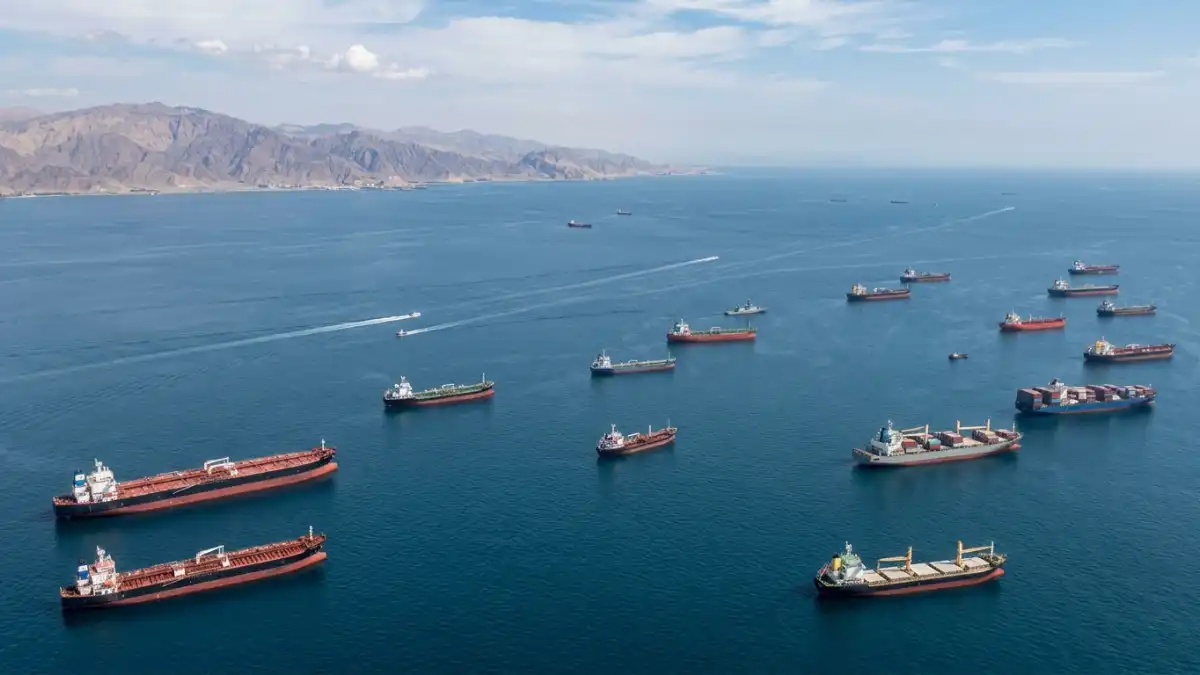
Iran’s top security body announced on Monday the formation of a new body to manage the Strait of Hormuz, which Tehran has effectively closed and wants to charge ships to traverse. On its official X account, the Supreme National Security Council shared a post for the Persian Gulf Strait Authority (PGSA) saying it would provide “real-time updates on the Hormuz Strait operations and latest developments.”
The initiative formalizes a sovereign transit mechanism, declaring any passage through the waterway without direct coordination with the new authority to be illegal.
“Regulations” for Passing Ships
The account of the Revolutionary Guards’ navy shared the same post.
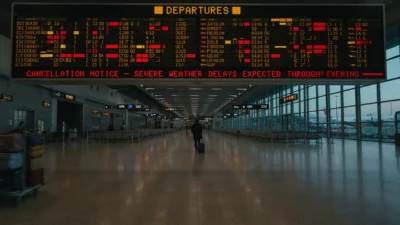
It was not immediately clear what the new body would do but earlier this month, Iranian English-speaking broadcaster Press TV said it constituted a “system to exercise sovereignty over the Strait of Hormuz” and that ships passing through the strait were sent “regulations” from the email info@pgsa.ir.
Iran has largely blocked shipping through the vital strait since the outbreak of war with the United States and Israel on February 28. A fragile ceasefire has been in place since April 8.
Related Stories

Iran’s grip over the waterway has rattled global markets and given Tehran significant leverage, while the United States has imposed its own naval blockade on Iranian ports.
In peacetime, the route accounts for roughly a fifth of global oil and liquefied natural gas shipments, along with other key commodities including fertiliser.
Related Stories

Since the war began, Iran has repeatedly said that maritime traffic through the strait would “not return to its pre-war status”, and last month it said it had received the first revenue from tolls on the waterway.
On Saturday, Ebrahim Azizi, head of the Iranian parliament’s national security commission, said Iran “has prepared a professional mechanism to manage traffic” through the strait, adding that it will be “unveiled soon”.
US leader says Tehran begging for a deal
President Donald Trump said on Tuesday the war would be over “very quickly” while Vice President JD Vance talked up progress in talks with Tehran about an agreement to end hostilities.
Related Stories

“We’re in a pretty good spot here,” Vance told a White House press briefing.
Trump made his comments a day after saying he had paused a planned resumption of hostilities following a new proposal by Tehran to end the conflict.
“I was an hour away from making the decision to go today,” Trump told reporters at the White House on Tuesday.
Trump Threatens New Attacks on Iran if Deal Fails
Iran’s leaders are begging for a deal, he said, adding that a new US attack would happen in the coming days if no agreement was reached.
The United States has been struggling to end the war it began with Israel nearly three months ago. Trump has repeatedly said during the conflict that a deal with Tehran was close, and similarly threatened heavy strikes on Iran if it did not reach an accord.
The US president is under intense political pressure at home to reach an accord that would reopen the Strait of Hormuz – a key route for global supplies of oil and other commodities. Gasoline prices remain high and Trump’s approval rating has plummeted with congressional elections looming in November.
Middle East in the Midst of Chaos
The conflict has caused the worst-ever disruption to global energy supplies, blocking hundreds of tankers from leaving the Gulf while damaging energy and shipping facilities across the region.
Two Chinese ships, among a handful of supertankers carrying Iraqi crude, exiting the Gulf this month, passed through the narrow strait carrying around 4 million barrels of crude, according to data from LSEG and Kpler.
Oil prices eased on the positive signals from the White House and in the Gulf, with Brent crude LCOc1 falling to as low as $110.16 a barrel, before regaining much of its losses.
“Investors are keen to gauge whether Washington and Tehran can actually find common ground and reach a peace agreement, with the US stance shifting daily,” said Toshitaka Tazawa, an analyst at Fujitomi Securities.