Dubai’s real estate market is already soaring with property prices increasing by 12.5 percent in Q1 2026. The villa median resale prices hit Dh4.3 million and the city closed 2025 with Dh917 billion total transactions, marking Dubai fifth consecutive record year. With three major rail projects, either under construction or announced, analysts are asking one question: what happens to the prices when Dubai’s rail infrastructure actually arrives?
The Prices Now
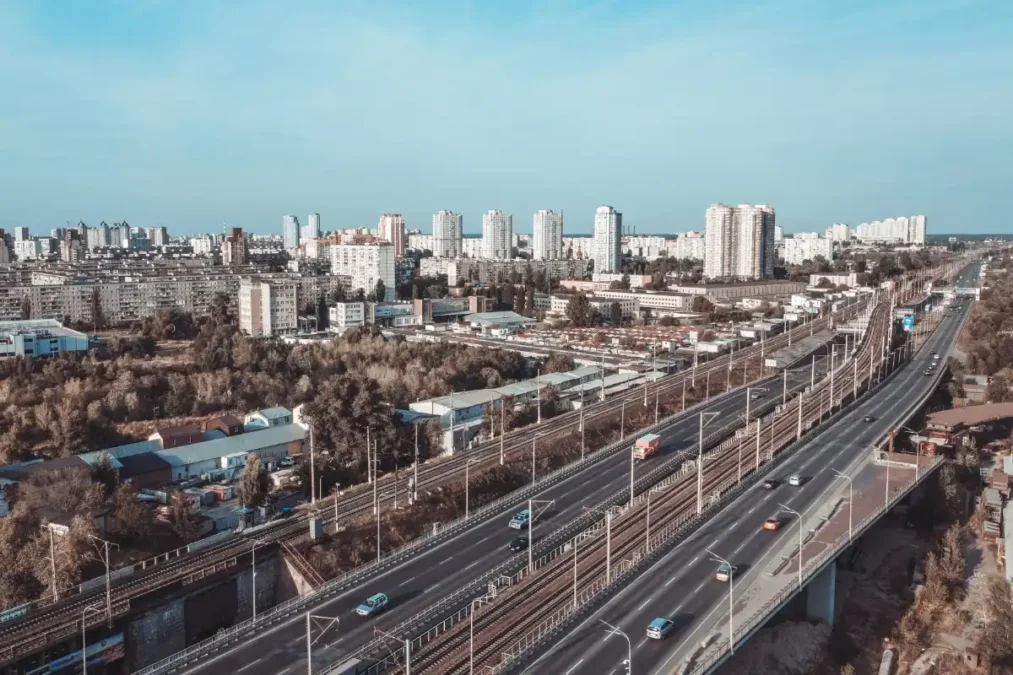
Dubai’s Metro premium is not just a speculation but a documented truth. Market data cited by Khaleej Times shows that the properties next to existing stations sell at a 20 to 30 percent more than comparable units. The prices appreciate by 18 to 25 percent during the developmental periods, moving further upwards post-completion. For the properties within 500 meters of the current stations, the prices run at 18 to 25 percent higher than those one kilometer away. The rents are further 15 to 30 percent higher. Since 2009, every line proved that the value premium is a real and consistent phenomenon.
Related Stories

CBRE’s Q1 2026 report notes that the market is cooling. Rental growth eased to 4.1 percent from last year while the sales prices slowed to 9.1 percent. In March, war-sentiment cut the off-plan transactions to over 40 percent. Dubai’s rail infrastructure will prove to be a fresh catalyst for the real estate market.
Dubai’s Rail Infrastructure, Explained
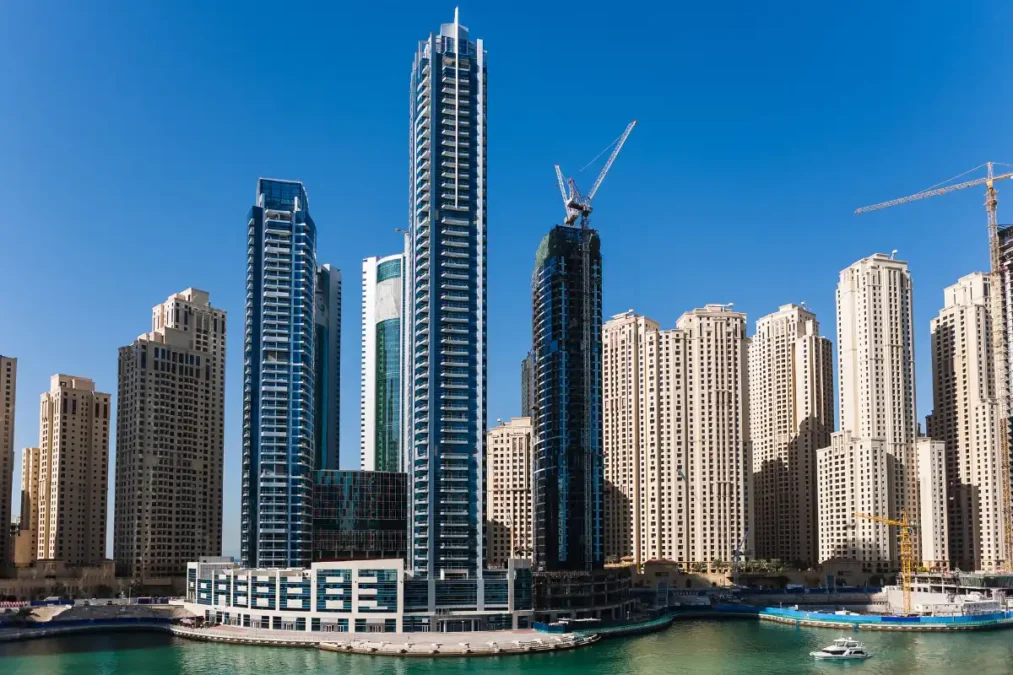
The Metro Gold Line that was announced on April 22 is scheduled to open September 9, 2032. The gold line will run 42 kilometers, completely underground, from Al Ghubaiba to Jumeirah Gold Estates. This rail line will serve 15 strategic areas and connect 55 major real estate developments that are currently underway. It merges with the existing Red and Green Lines and includes a planned interchange with Etihad Rail at Meydan and Jumeirah Golf Estates. Analysts from JLL real estate identified Meydan as a hotspot. It is at the intersection of the Gold Line, Etihad Rail, and high-speed Abu Dhabi corridor, making it a central link to all lines.
Currently under construction, the Blue Line has speculated its opening on September 9, 2029. It runs through previously underserved areas like, Dubai Creek Harbour, Ras Al Khor, International City, Dubai Silicon Oasis, Academic City, and Mirdif. According to analysts, in 2026, these areas still sit in early-to-mid transition phases. With half-baked links, the pre-premimum window may stay open for entry for two to three more years.
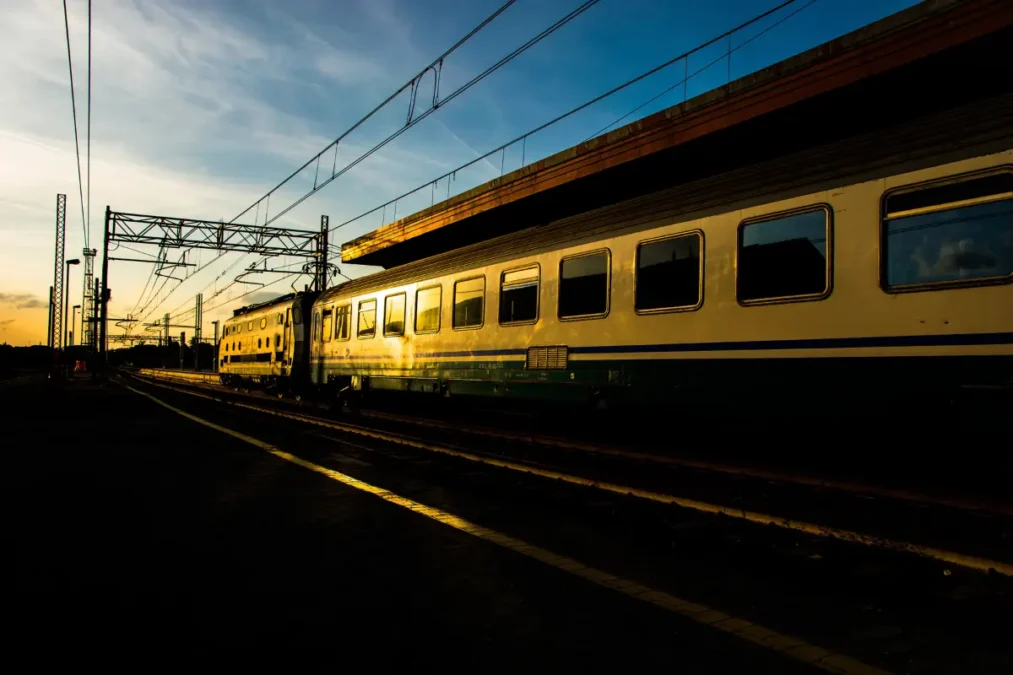
Etihad Rail’s passenger network targets initial operations in 2026, linking Abu Dhabi to Dubai with a travel time of around 57 minutes. The Dubai to Fujairah link will cut the travel time down to one hour 45 minutes. Its real estate impact is not city-centered. It is more about building a corridor. For the residents working in either cities, the areas between Dubai and Abu Dhabi become viable. Dubai’s rail infrastructure is rapidly evolving, making distances too long to commute suddenly make sense.
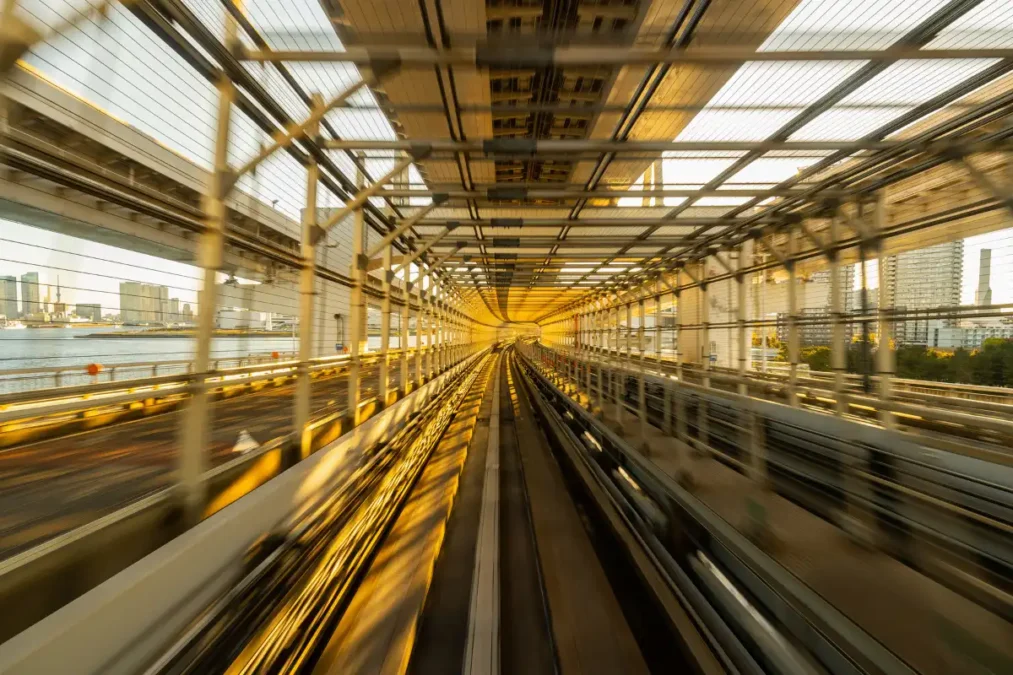
The Combined Effect
According to Dr Ahmed Al Mulla of Arkat Urban Planning and Design, the Blue and Gold lines are generational investments opening paths to new growth. These push Dubai into being a city where jobs, housing, and services are distributed across multiple hubs rather than being centralised in Downtown and Marina. Dubai’s stated target is to bring all the residents within 800 meters of mass transit where 80 percent of daily needs will be accessible within 20 minutes.
The founder of Danube Properties, Rizwan Sajan told Khaleej Times that historically, the ones who move quicker towards the metro adjacent assets, remain the most benefited. He pointed to Business Bay and Dubailand, the communities which would become more desirable as the Gold Line brings in fresh potential to Dubai’s real estate. JLL’s head of MEA research, Taimur Khan provided a notable analysis that the premium effect will not be uniform. Villa communities, where residents drive rather than walk to stations, are expected to see less appreciation than the dense apartment communities.
Dubai’s real estate market is already among world’s most active markets. The rail network development between 2026 and 2032 will not write the real estate story. Dubai’s rail infrastructure will determine which parts of the city write the next chapter.
Read More: Dubai’s Skyline: The Story of Rise, Fall, and Return