Ask anyone who has moved to Dubai in the last five years where they live. The answer is the outer edges of Dubailand. Ajman. Or Sharjah. They wake up in Sharjah, drive 45 minutes to work in Dubai, and drive 45 minutes back. Moreover, they pay rent in a city they cannot fully afford to sleep in. Recently, Emaar Properties has announced its biggest ever project, and the people who need it most probably haven’t heard of it yet. This project could change where hundreds of thousands of people live. That is a bigger story.
The Gap Between Growth and Housing
Today, there are about 3.8 million people living in Dubai. Dubai 2040 urban master plan aims for 5.8 million by the end of decade. In other words, in the next fifteen years, two million more people will need a place to live.
Related Stories

However, supply has not kept pace. Rents have risen sharply across most established neighbourhoods. So, many working families have been priced out and pushed toward neighbouring emirates. Hence, they commute. Every single day.
What Is Emaar Properties Building?
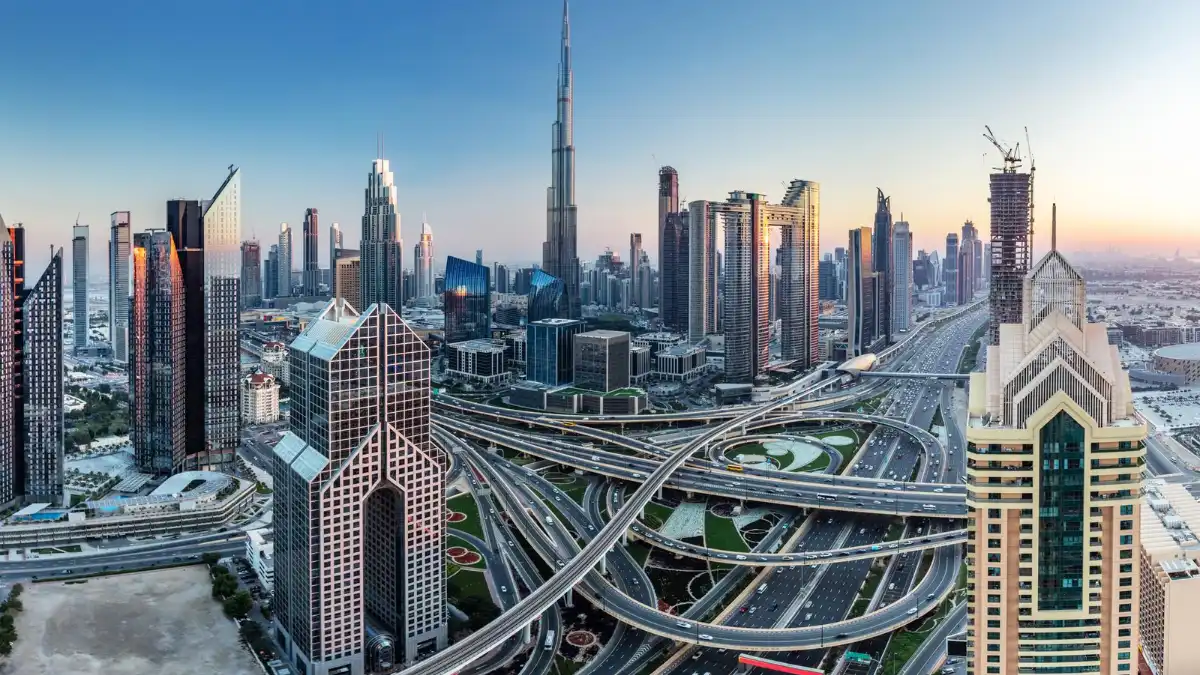
The project covers more than 4.5 million square metres. It is designed to hold nearly 150,000 residents. It splits into five zones. There is a business hub, an urban district, a young families cluster, a family living zone, and a gated villa enclave. Each zone targets a different type of resident. That range matters. A project that only serves the premium market does not solve a housing shortage. This one appears to be trying something wider.
The design follows the 20-minute city model. Schools, clinics, shops, mosques, parks, and workplaces all within a 20-minute range from any home in the community. For a family currently spending three hours a day in a car, that is not just convenient. It is life-changing.
The People It Could Reach
Think about who actually needs this. A nurse working in a Dubai hospital who rents in Ajman because it is all she can afford. A construction supervisor commuting from Sharjah five days a week. A young couple who chose a further-out apartment because the city centre priced them out two years ago. These are not edge cases. They are the majority of Dubai’s working population.
The residential mix includes towers, villas, and mansions, alongside offices, shops, and hospitality venues. Also, the tower units and the family living zone are the ones to watch. If Emaar prices those accessibly, this project reaches people who genuinely need it. Comparatively, if it skews toward the premium end, it solves a different problem for a much smaller group.
What Emaar Properties Gets Out of It?
This is also a business decision, not just a social one. Emaar Properties’ revenue backlog as of March 31, 2026 stood at AED 163.4 billion, up 29 percent year on year. Demand is strong. Moreover, the company has the cash and the confidence to plant a flag at this scale right now, even in the middle of a regional conflict year. That is a bold move, and it tells you something about where Emaar thinks Dubai is heading.
Mohamed Alabbar, Emaar’s founder, said the greatest cities are not built, they are dreamed, and called this the company’s most extraordinary dream yet. That is the vision. The residents who eventually sign up will have simpler questions. Is the school close? Is the clinic good? Can I actually afford this? Those questions will determine whether this dream works.
What We Still Do Not Know
The project’s location has not been revealed yet. Emaar Properties said it will provide views of Burj Khalifa, Burj Al Arab and Palm Jumeirah. The full reveal, with the name, address and launch timeline, is expected soon. Construction dates have not been announced. For the residents who need this most, the wait continues. However, the fact that it is coming at all is something worth paying attention to.
Read More: UAE weather today: Fair skies, temperatures rise across country