
On May 8, an Indian crew member died. The news was acknowledged by the Indian Consulate in Dubai. However, today, it confirmed that he died after a fire broke out on board a dhow sailing through the Strait of Hormuz. Official sources have not confirmed the cause of the fire, it remains under investigation. The consulate’s statement clarifies earlier reports from Friday that tied the incident to crossfire. They linked the incident to US-Israel tensions with Iran.
The sailor was identified as Altaf Talab Ker from Gujarat, India. The consulate confirmed in an X post that the dhow caught fire while at sea. One crew member was killed, and several others were injured. The injured are being provided with medical assistance. The mission is now in close contact with UAE authorities and the vessel’s owner as they investigate the incident.

Fire At Sea
On social media, some regional media posts connected the incident to military crossfire. They cited the intense tensions around Iran and the US near Hormuz. But no government authority has confirmed any attack involving the dhow. Indian outlet Firstpost had earlier cited maritime associations claiming the vessel may have been caught up in regional tensions. After the consulate’s statement, those claims remain unverified.
The Indian Consulate says it’s now coordinating with local authorities to help the affected crew members. It’s also extending assistance to the family of the sailor who died. No further details about the fire’s cause have been released publicly.

Dhow for Trading
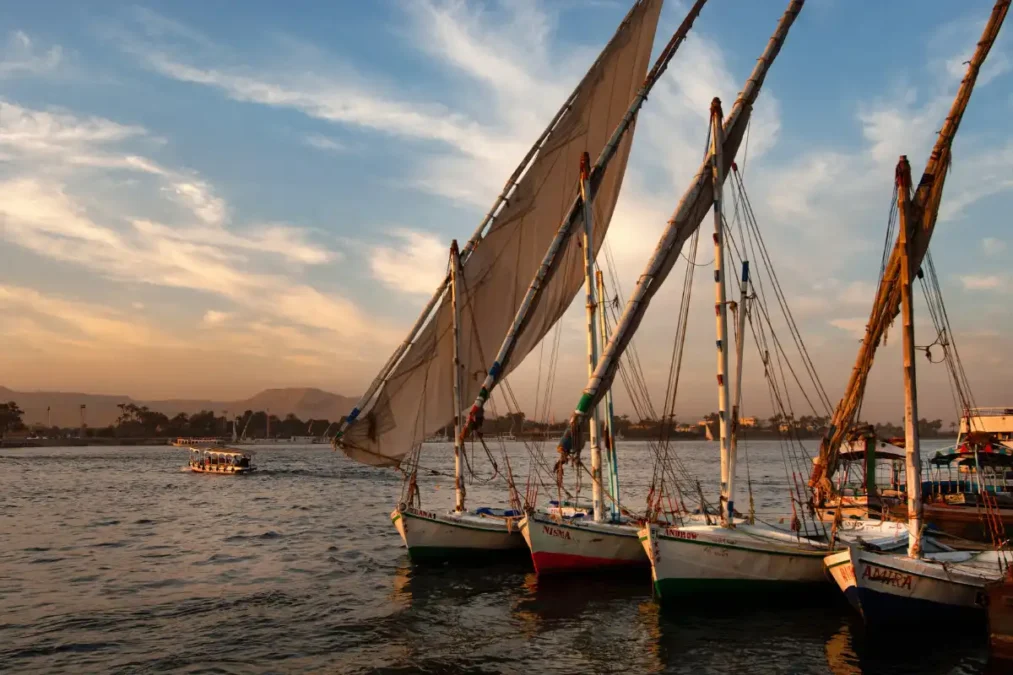
The dhow, Al Faize Noore Sulemani 1, had set sail from Dubai and was heading to Mukalla in Yemen with 18 crew on board. The dhow crews mainly consist of South Asian workers, from India and Pakistan particularly. Even though there is an increase in the modern container ships now, wooden dhows still continue to move goods across the Gulf.
These carry everything from food products and electronics to construction material. According to a report by The National and regional maritime coverages, these vessels are used widely because they are cheaper and more flexible. Wooden dhows are majorly used for short-distance, regional cargo routes.
Global Trigger
The Hormuz strait is a strategically sensitive shipping lane. The incident highlights how unverified information can be spread online during sensitive periods. The route is critical for trade flows and Gulf exports. The UAE, Saudi Arabia, Iraq, Kuwait and Qatar all depend on Hormuz for their shipments and cargo. Any misinformation regarding the accidents occurring around Hormuz or the Gulf waters can cause global speculations.
The incident comes at a time of heightened maritime anxiety across the Gulf. Shipping and insurance firms have already increased monitoring expenditures, concerned about a potential spill-over from ongoing regional tensions. The Hormuz Fire incident, it seems, is a tragic shipping-related case rather than a result of a military conflict. Officials have not yet determined a cause.
Read More: The City is Growing Faster Than Its Roads