
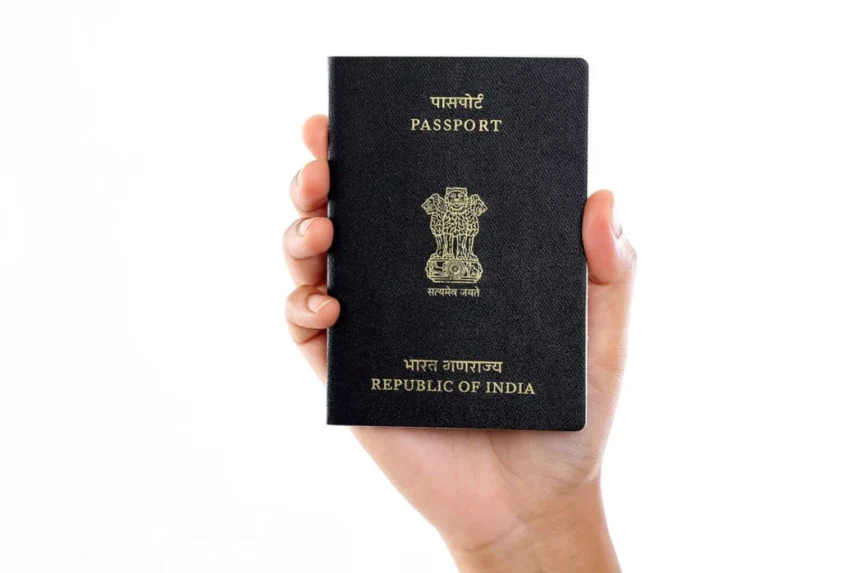
Indian expats living in the UAE just got some major news. Starting October 28, everyone applying for or renewing their passport will receive chip enabled e-passports for Indians. The Consulate General of India in Dubai rolled out the upgraded Passport Seva Programme 2.0 (PSP 2.0), bringing Indian travel documents into the modern digital age.
The new Indian passport with chip isn’t just a fancy upgrade, it’s about making immigration faster and more secure for millions of Indians traveling globally.
1. What Are Chip Enabled E-Passports for Indians?
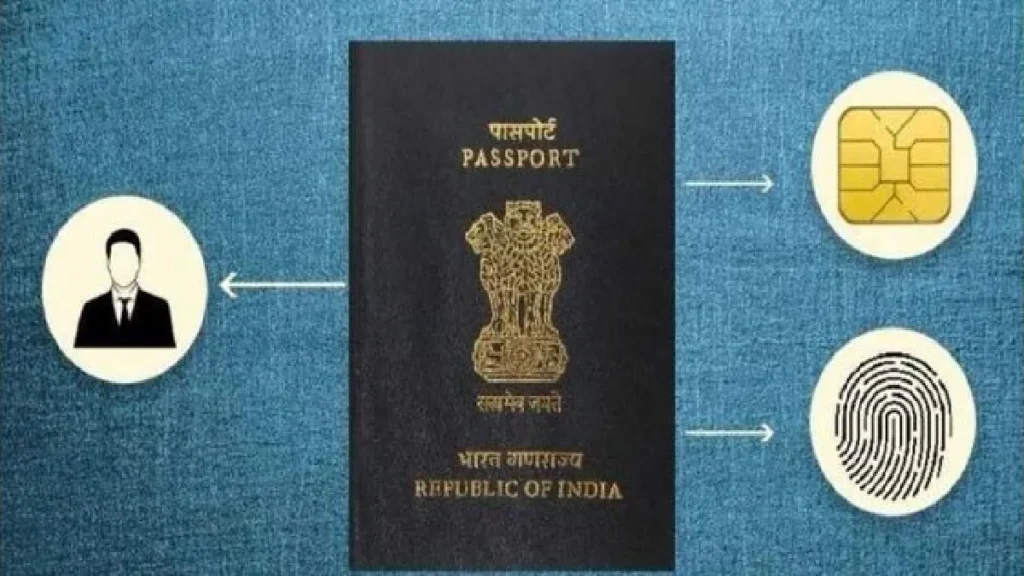
These chip enabled e-passports for Indians contain a tiny electronic chip embedded right into the passport cover. That chip stores your personal details and biometric information digitally, basically turning your passport into a smart document.
Key features of the Indian passport with chip:
- RFID chip embedded in the front cover
- Stores photo, fingerprints, and personal data
- Small gold symbol printed below the front cover
- Conforms to international ICAO standards
- Makes immigration clearance faster worldwide
The Indian passport with chip uses Radio Frequency Identification (RFID) technology, which immigration officers can scan wirelessly without even opening your passport fully.
2. How PSP 2.0 Changes Things?
Starting October 28, Indian expats in the UAE must use the new portal at https://mportal.passportindia.gov.in/gpsp/AuthNavigation/Login for all passport services. The old system stopped working, so everyone needs to apply through PSP 2.0 now.
What’s different about chip enabled e-passports for Indians:
- Online document upload before appointment
- ICAO-compliant photo requirements
- No extra fees for minor corrections
- Reduced waiting time at BLS centres
- Digital signature verification
The Indian passport with chip makes the entire process more transparent and efficient for the 4.3 million Indian nationals living in the UAE.
3. Major Benefits of the Indian Passport with Chip
Enhanced security features:
- Chip prevents passport forgery
- Digital signature confirms authenticity
- Reduces risk of identity theft
- Data encryption protects information
- Public Key Infrastructure adds extra security
The chip enabled e-passports for Indians align with international biometric passport standards, meaning border control worldwide can verify your identity quickly and securely.
Faster immigration clearance:
- Contactless scanning at checkpoints
- No need to open passport completely
- Automated verification speeds up process
- Works with e-gates at modern airports
- Global compatibility with scanning systems
When you travel with your Indian passport with chip, immigration officers scan it electronically and your biometric data appears instantly on their screens.
4. No Need to Replace Current Passports
Here’s something important, you don’t have to rush and replace your existing passport. Regular passports remain valid until their expiration date.
Chip enabled e-passports for Indians will automatically be issued when you apply for a new passport or renewal at any technically enabled passport office. The Ministry of External Affairs clarified that all existing passports stay valid till expiry.
5. Where Chip Enabled E-Passports for Indians Are Available
The Indian passport with chip started as a pilot project in select Indian cities before expanding nationwide. Currently available at Regional Passport Offices in:
- Delhi, Chennai, Hyderabad, Jaipur, Surat
- Nagpur, Bhubaneswar, Jammu, Goa, Shimla
- Raipur, Amritsar, Ranchi
For Indians abroad, the UAE became among the first locations to receive chip enabled e-passports for Indians through the GPSP 2.0 rollout starting October 28.
6. What Happens at Immigration

When you use your chip enabled e-passports for Indians at airports:
- Officer scans the chip wirelessly
- Your photo and fingerprints appear on screen
- System compares live scan with chip data
- Verification happens in seconds
- You clear immigration faster
The Indian passport with chip makes travel smoother because immigration officials can instantly verify you’re the genuine passport holder.
7. Upload Requirements

Getting chip enabled e-passports for Indians means following strict photograph guidelines. The PSP 2.0 system wants ICAO-compliant photos with natural expressions and specific technical requirements.
Uploading documents beforehand significantly cuts waiting time at BLS centres, making the entire Indian passport with chip application process more efficient.
8. Cost and Timeline
There’s no additional charge for getting chip enabled e-passports for Indians compared to regular passports. The standard passport fees apply, and minor corrections no longer cost extra.
The rollout of chip enabled e-passports for Indians marks a significant upgrade in how India handles passport services globally, bringing security, speed, and international compliance together in one document.
Also Read: Dubai Fitness Events 2025: A Month of Wellness Across the City