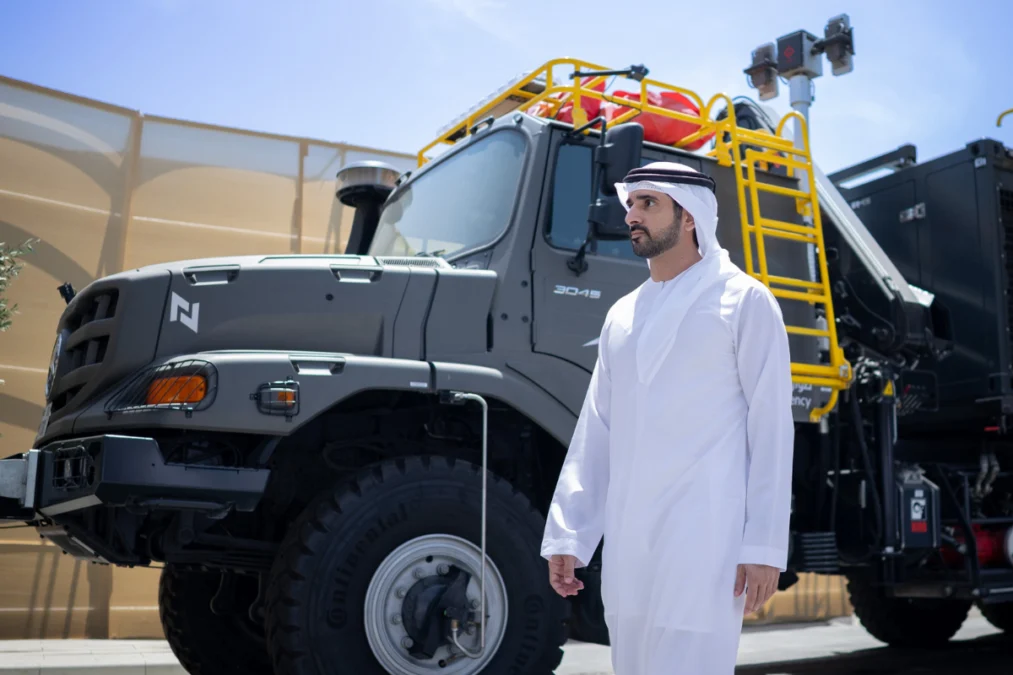
Sheikh Hamdan bin Mohammed bin Rashid Al Maktoum, Crown Prince of Dubai conducted a visit to review a series of specialised infrastructure projects developed by the Road and Transport authority. These projects include the newly unveiled Rapid Intervention Vehicles that are designed to keep Dubai roads moving even during severe rainfalls and water logging conditions.
As the weather patterns are getting increasingly unpredictable, this review signals Dubai’s accelerating push towards emergency response infrastructure.
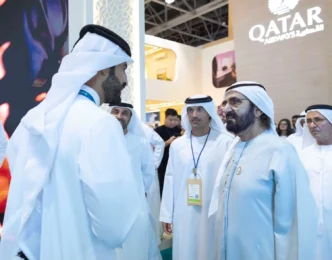
Crown Prince of Dubai, Sheikh Hamdan bin Mohammed said during the visit that, “The variety of futuristic mass transfer projects we witness today is not the outcome of infrastructure development priorities alone, but our comprehensive redefinition of the concept of urban mobility in keeping with the highest international standards.”
He also added that Dubai operates with a clear vision based on innovation, which is the core principle alongside advanced technology as the key tool for transforming life.
What Rapid Intervention Vehicles Do?
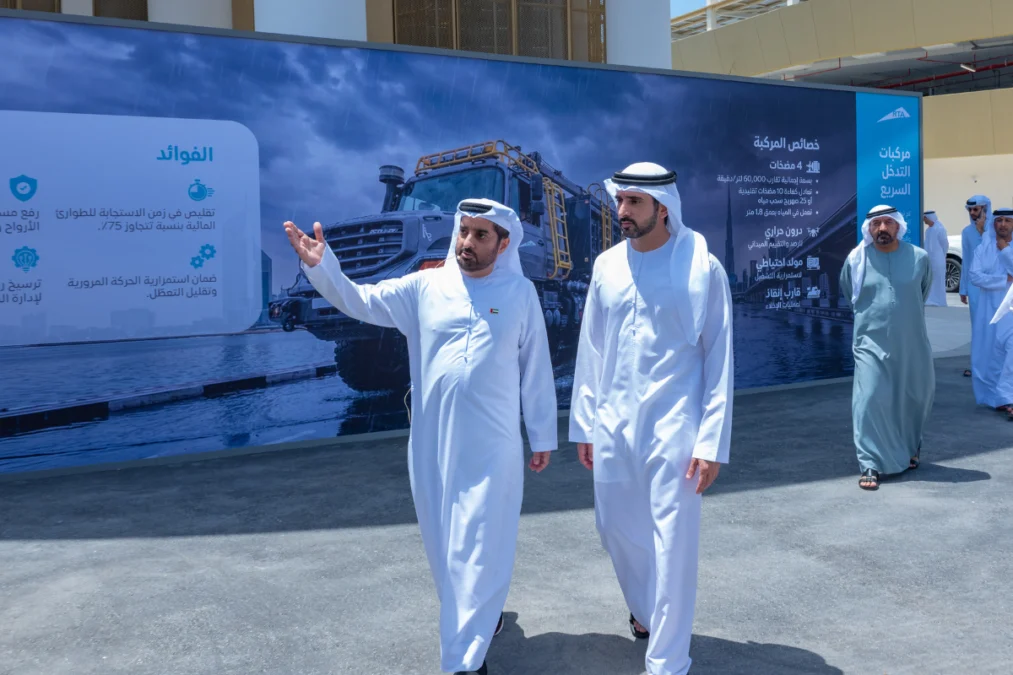
The rapid intervention vehicles directly addresses the accumulation of water on roads during heavy rainfall. It is one of Dubai’s most persistent infrastructure challenges. This RTA developed vehicle shows operation readiness during extreme weather. Where the traditional equipment falls short, it helps in maintaining smoother traffic flow across the city.
The vehicle is equipped with four pumps that can carry a combined capacity of around 60,000 liters per minute. This is equivalent to the operation of 10 conventional pumps or 25 suction tankers. The high capacity pumping system of the vehicles pushes water at approximately 1000 liters per second.
It has the capability to actively work in up to 1.8 meters depth, out-performing the conventional equipment in speed and operation. The vehicle is designed to enable immediate intervention at places where standard vehicles cannot reach.
Why Does The RIV Stand Apart?
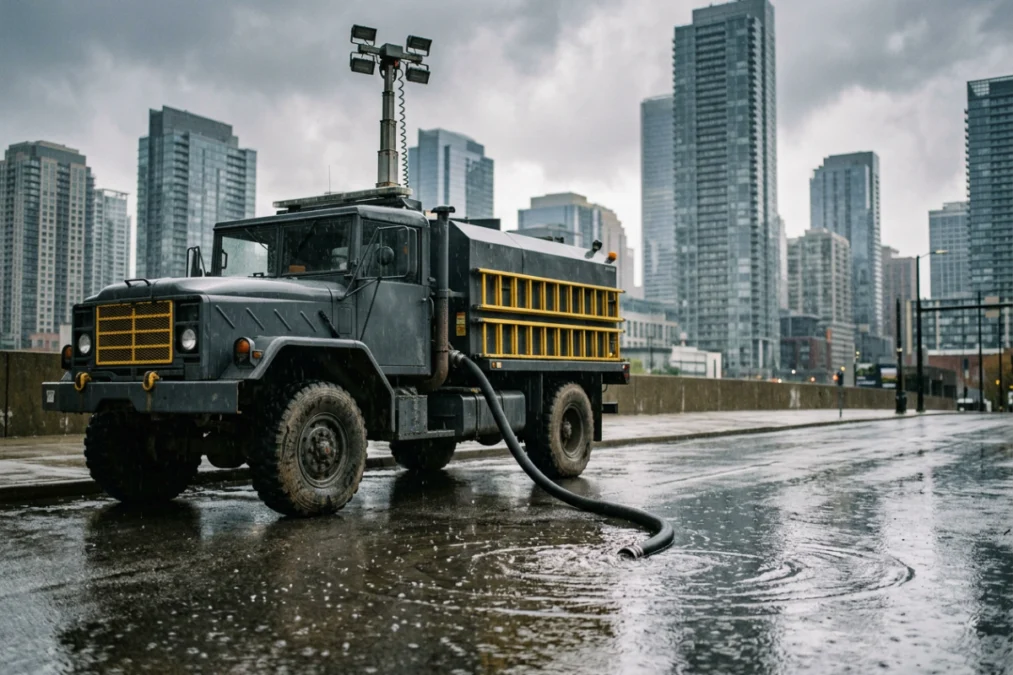
The rapid intervention vehicle moves directly to the affected areas and begins the operation immediately, unlike the mobile pumps that are prepared before deployment. This is a significant distinction as during flash floods, every minute of delayed response means greater road disruption and a larger safety risk for residents.
The vehicle also contains an integrated system which includes a main pump operated from the inside, three pump engines, four primary pumps, rainwater suction hoses, a rescue boat for evacuation, and a thermal drone for real-time monitoring and regulation. It is also equipped with a backup generator to ensure uninterrupted operation. The lightning tower of the vehicle provides support for the field teams working in low visibility conditions.
Broader Vision Of Smart Transport
Sheikh Hamdan’s visit on Sunday also covered two more RTA projects including a smart bus station in Al-Barsha and a soft mobility parking facilities project. Both these projects reflect the same vision driving the rapid intervention vehicle program.
The smart bus station is reportedly nearing completion and its operation status is expected by the end of April. The soft mobility parking project will initialize pilot operations at five locations in July 2026 before beginning the permanent operation in 2028.
Director General and Chairman of the Board of Executive Director of RTA, Mattar Al Tayer, said “the RTA continues to develop solutions to strengthen Dubai’s readiness to counter future challenges.” The rapid intervention vehicle is a part of RTA’s broader vision. It is an effort to enhance infrastructure resilience and improve emergency preparedness across Dubai.
Read More: https://timesofdubai.ae/mbrgi-reveals-dh2-3-billion-aid-delivered-to-165m-people/