

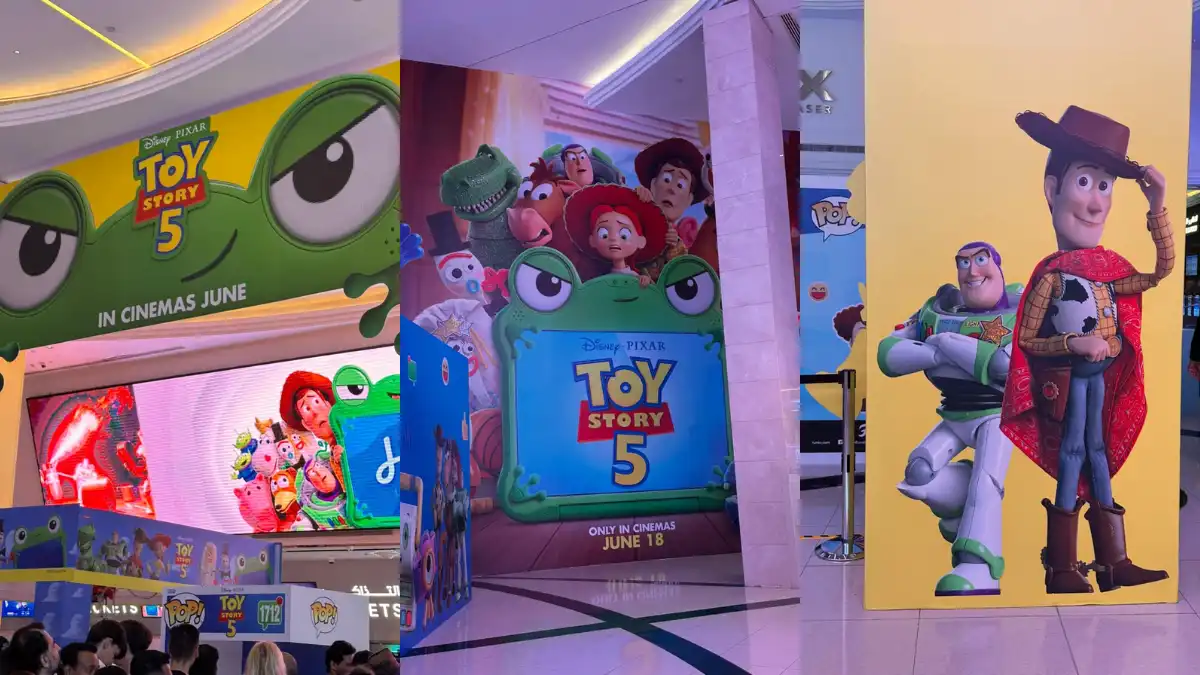
Toy Story 5 is the much-anticipated installment in the famous Toy Story franchise and sequel to it’s predecessor: Toy Story 4, directed and written by Andrew Stanton (famous for directing and producing previous Pixar works such as Monsters Inc., Finding Nemo and WALL-E). The film follows the ragtag crew of living toys as they are caught amidst a battle between the invasion of technology and the conventional make-believe methods of playing with toys. Will they manage to rescue their owner, Bonnie, from the captivating and luring hand of devices? Or will they give up and watch as Bonnie fidgets on her gadgets endlessly?
This film is carried by its strong worldbuilding and moments of humor. Most cartoons nowadays try to make the audience laugh by adding endless slapstick moments or corny Gen Alpha humor that ends up falling flat on its face. However, Toy Story knows where and how to tap into the heart of its audiences, whether it is the older generation that has grown up on the franchise or the younger generation which is unfamiliar with its tropes. New characters such as Lilypad and Smarty Pants are introduced and properly fleshed out in this installment, as compared to its predecessor, where some fresh characters were not given adequate screen time and proper coherent character arcs.
Another highlighted strength of the film is its fresh, emotional yet relevant concept. The previous movies have focused on abandonment, existential crises, the meaning of life and the feeling of being wanted. In this film, the director introduces a fresh perspective on the battle between technology and toys, often showcasing the real-life implications of techno-invasion and its effect on the self-esteem of children nowadays. The screenplay never outrightly deems technology as an evil mark on society but rather brings to light the implications of not stewarding it well and how it can potentially bleed into every area of your life.
The cast also helps bring the screenplay to life and adapt its given material well, sometimes even making the audience question whether this is an animated film or one that is happening in real-time. The central characters (Woody, Jesse and Buzz) share strong chemistry, making the relationships and dynamics feel easygoing on screen.
Visually, the film is impressive and beautifully animated throughout. The action sequences are energetic and well thought out, while the subplots all somehow amalgamate together, unlike in Toy Story 4. Combined with a nostalgic and whimsical musical score by Randy Newman (famous for Cars, Monsters Inc. and Toy Story 4) and crisp editing, the film consistently feels entertaining and engaging without leaving you with even a minute of boredom.
With all the praise aside, the film, of course, cannot be complete without its flaws. The subplots can feel overwhelming at times as a lot is happening on screen at the same time. The film would have benefitted from a longer runtime to properly gel everything together; however, this one brought back all the magic that Toy Story is known for.

Catch this one in theatres now for an emotional rollercoaster that will have you laughing, cheering, and shedding a tear — while leaving you with a meaningful, thought-provoking message