January 21, 2026, Dubai: Greenland is once more a topic on the world stage, and this time it seems the matter has escalated to the level of a political crisis. To the extent of the US (Trump) acquiring Greenland, this was an absurd thought or an uncommon news item for the past few years. However, the matter has now ballooned into a situation that is already impacting international relations and alliances. Through this article, I will explain that Greenland is important now as it uncovers the surface disputes in world politics and at the same time challenges the recognition given by countries to one another’s sovereignty.
Why Greenland Is Back in the News?
When Donald Trump, the then-President of the United States, made the proposal to buy Greenland, most rulers in the world considered it a joke. However, Denmark which owns Greenland, was quite open about it and declared that the island was “not for sale.” It was the same with Greenland’s leaders, who stated that they would never allow control of their territory to be taken away. Still, the discussion has resurfaced and is gaining popularity worldwide.
Greenland is regarded as a focal point of national security, the global alliances and trust among countries today. Melting ice and the opening of new routes through the sea have made the Arctic region more significant. Countries are viewing the area differently now than in the past. Besides, the way NATO handled a situation where a leading member pushed its way through the alliance’s tactics is drawing the attention of many nations.
To put it in a nutshell, Greenland could be seen as an indication of the lengths to which the great powers might go in order to occupy the strategically vital places. It also reveals the total lack of respect for the smaller nations’ choices, which is, on the other hand, a major part of world politics nowadays. The current discourse underlines that geography and security issues are still the facilitators of world politics just as much as trade and economy.
Greenland, Security and World Reaction
Ground zero for the planet’s environmental issues might just be the Arctic, and the melting of its glaciers speaks for the whole Earth, regulating the climate and practically all water pollution. Also, the arctic ice sheets store a large volume of the Earth’s freshwater, which is used mostly by the West and parts of Asia.
One of the factors supporting this idea is the location of Greenland. Geographically, it is between two important continents, North America and Europe. Militarily and security considerations make it an excellent spot for early threat detection and transport routes. Hence, the U.S. gets involved with Greenland in terms of defence.
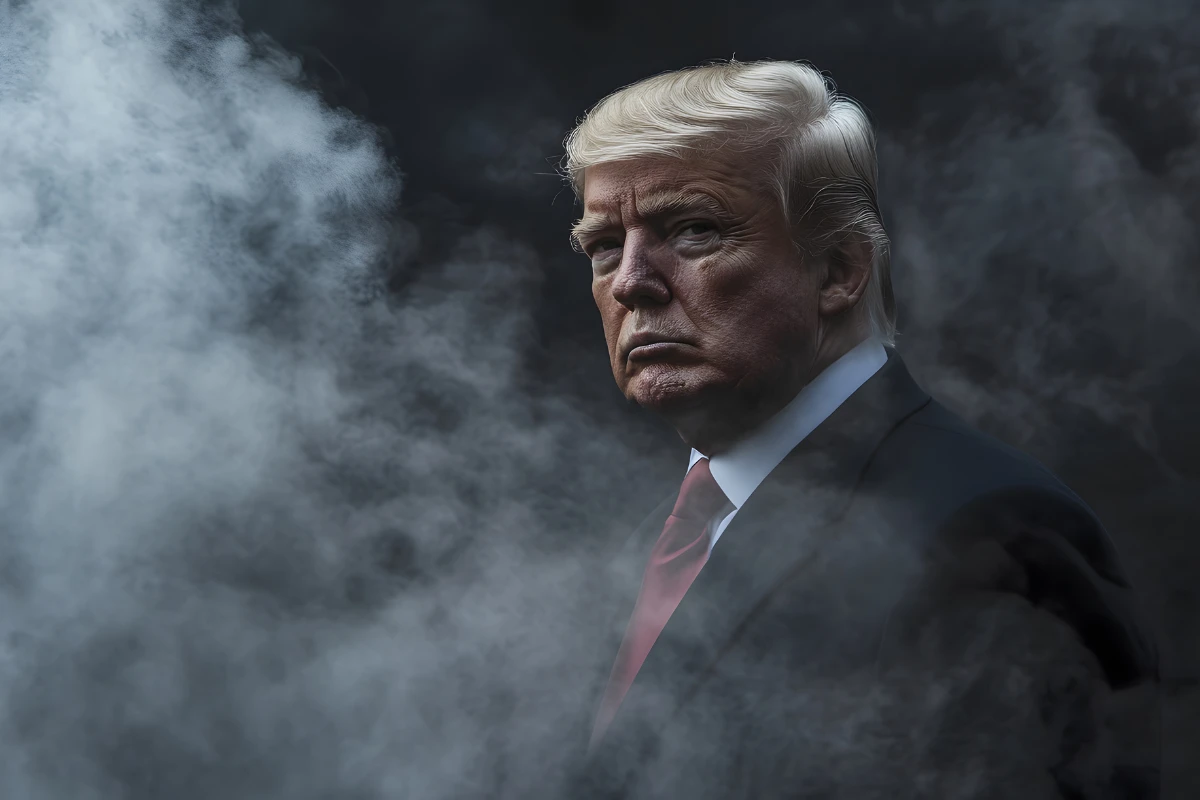
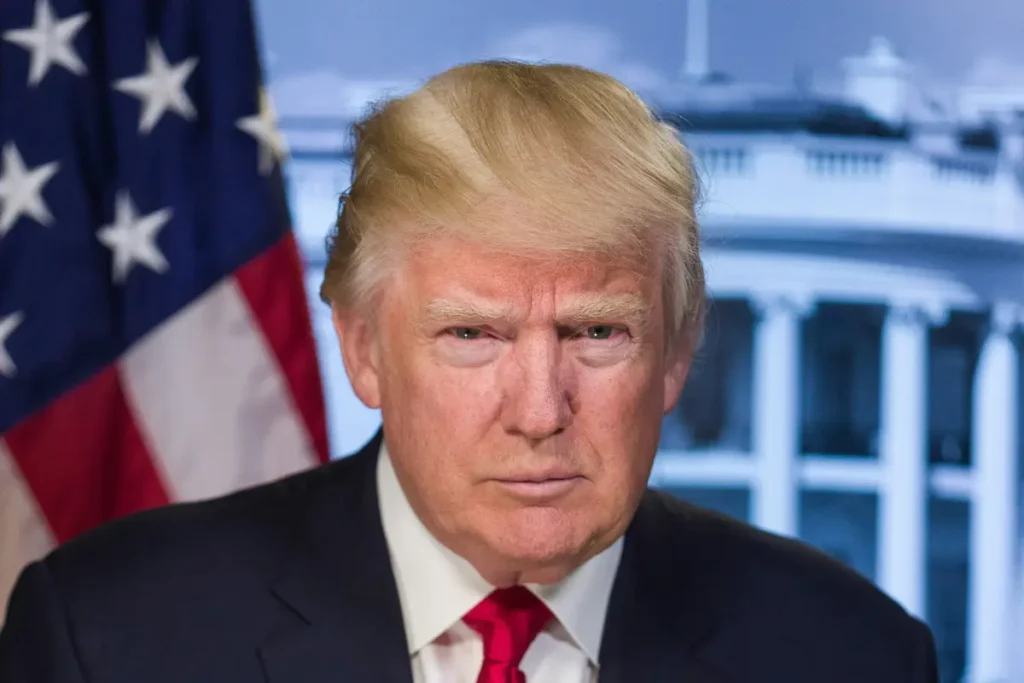
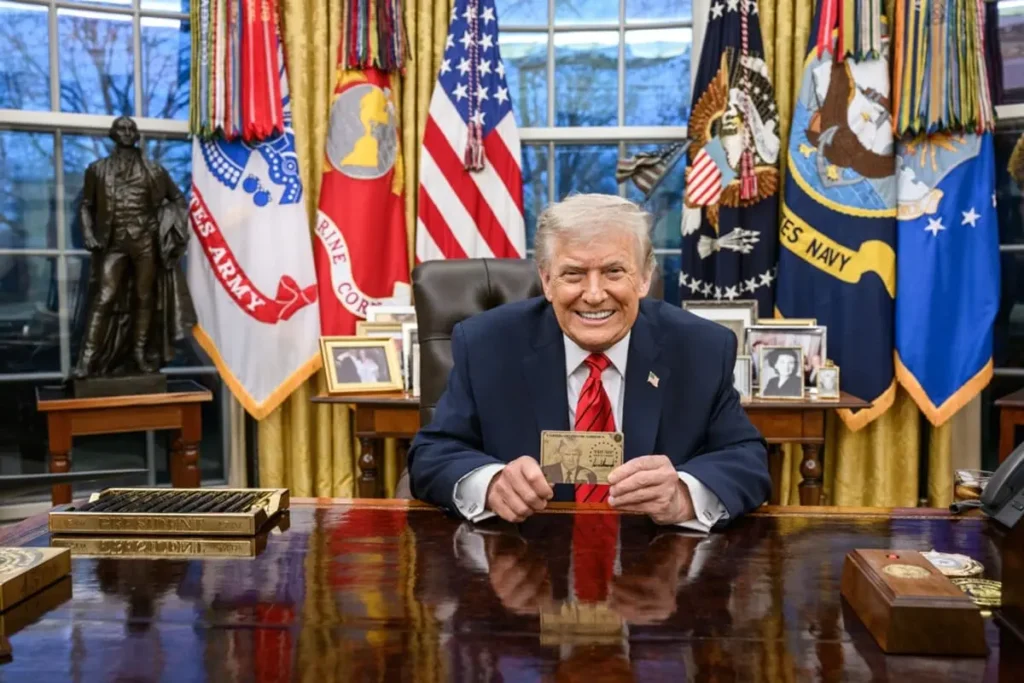
Justifying this link, President Trump and his group say that it is all about America’s security. They argue that the U.S. has to keep on fighting for its influence over Greenland or else sooner or later the likes of Russia or China will take over. Team Trump goes even further by mentioning a missile defense scheme attached to Greenland’s location.
But this attention on Greenland has irritated many of the U.S. allies. The leaders of the European Union countries and Denmark in particular have made it very clear that Greenland is not for sale and hence they consider attempts to put pressure on Copenhagen as both rude and a threat to the existing alliances. Denmark has stated unequivocally that any transition concerning Greenland’s political status has to be in accordance with the will of the people there.
The response to this incident indicates that Greenland is important not merely because of its strategic location, but also as a litmus test for the proper functioning of global politics. The right of self-determination for smaller areas and the principle of equality of nations are the very foundation of peace and cooperation.
What Greenland Tells Us About the Future?
A further point making Greenland important is its natural resources. The continent has minerals that are technology and energy-system-friendly. Some people are of the opinion that this is yet another reason that has led major countries to take an interest in Greenland’s fate.
However, the Inuit of Greenland demand to be treated as allies and not as pawns in a trade. They are governed by their own administration and are asking more autonomy from Denmark. Their opinions should be taken into account in every matter regarding the future of the island. More syncing of interests could be a solution, but the imposition of decisions from the outside would only lead to more friction.

In a climate-altered world, the competition between economies and the shifting of powers has turned into an example. It is a question of how the nations would behave. The principles of cooperation, respect for the state’s occupancies, and attentiveness to the local voices should not only be the norms in the decisions regarding Greenland but also in others, and even the whole of the strategic regions that consist of multiple places.
From my perspective, the attention given to Greenland at this time indicates that international relations still experience the conflict between the traditional notions of power and the new righteousness that demands fairness. Countries should secure their interests while still respecting others. If not, they will lose trust and their partnerships will be at risk. Such is the importance of Greenland in the present day.
To put it differently, Greenland is not just an ice or mineral place. It is a life lesson that the world has to decide upon regarding power, respect, and cooperation in the 21st century. The way that the leaders are going to resolve this matter now will have an impact on global relations for many years to come.