UAE March 2nd, 2026: The United Arab Emirates has made a diplomatic protest against Iran, over what Emirati officials repeatedly termed as terrorist attacks, sending a formal note of protest against its territory and civilian infrastructure and recalling the Iranian ambassador in Abu Dhabi. It is a step in wider tensions of hostility in the region due to the ongoing conflict between Iran and the military action of the United States and Israel.
Diplomatic protest: Summoning The Iranian Ambassador
The Ministry of Foreign Affairs of the UAE recalled the ambassador of Iran, Reza Ameri, to protest against a wave of Iranian missile and drone attacks and threats on the UAE infrastructure, including civilian quarters. The Emirati authorities described such acts as terrorist attacks and they are against the international law and sovereignty of the country.
The UAE in its official note said that it was not acceptable to proceed with attacks on civilians and critical facilities and that they are able to do everything they can in order to defend their territory and people.
Passive Defence Of Gulf Has Its Limitations, Warning To Iran
In another related development, Dr Ali Rashid Al Nuaimi, Chairman of the Defence, Interior and Foreign Affairs Committee of the Federal National Council in the UAE, gave a stern warning in comments to the media that there are boundaries to the Gulf states in what he termed as passive defence. He alleged that, as much as Gulf nations have lived by a defensive position, aggression, particularly against civilian infrastructure, would not be sustained at all times.
Dr Al Nuaimi condemned Iranian leadership that has lost its credibility on the world stage, and vowed that the UAE and the Gulf neighbours would not relinquish their political standpoints, and guarantee all the inhabitants of the region with security.
“Terrorist Attacks”: A Regional Context
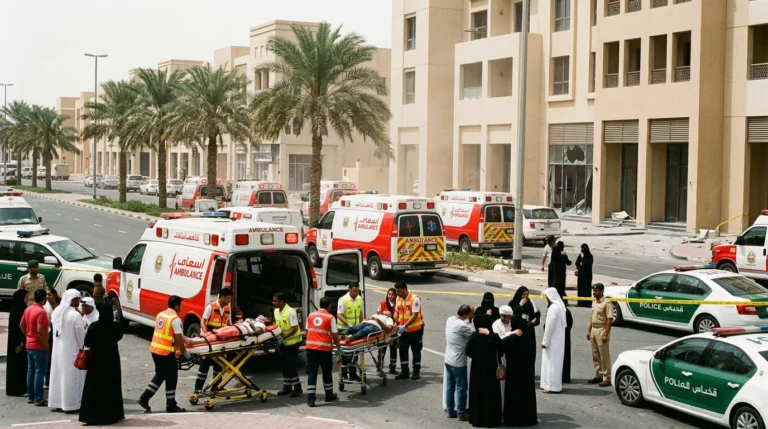
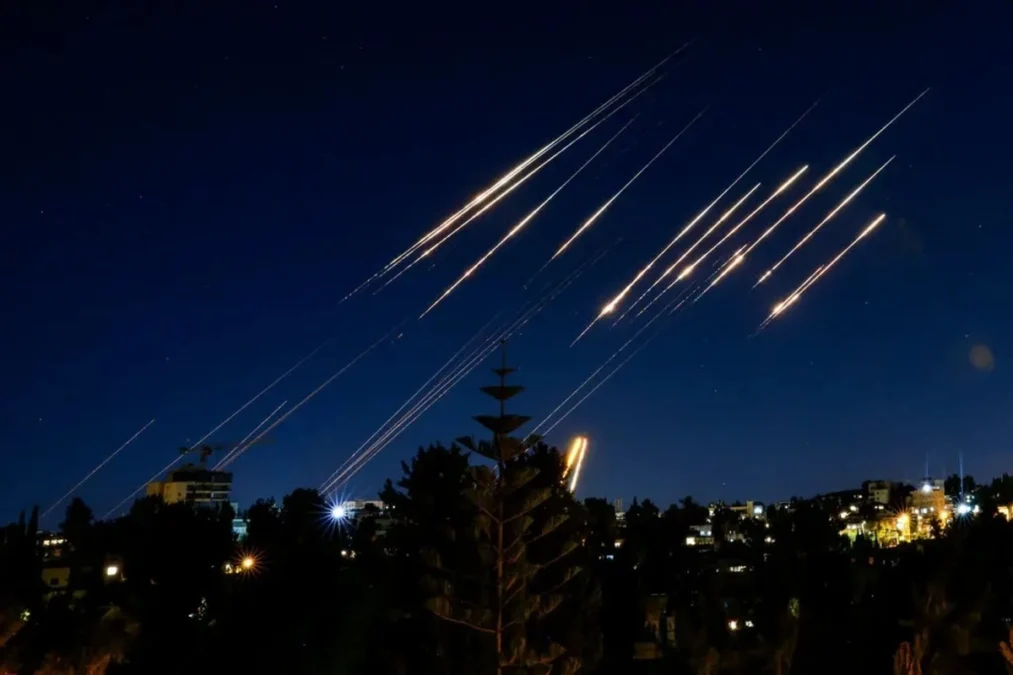
The diplomatic protest is the result of a major spurt of Iranian attacks using ballistic missiles and drones directed to the UAE and other Gulf countries. Military sources indicate that Iran has launched over 165 missiles and hundreds of drone attacks, with dozens of them blocked by UAE. air defence systems, but debris and projectile fallouts have damaged civilian infrastructure in Abu Dhabi and Dubai.
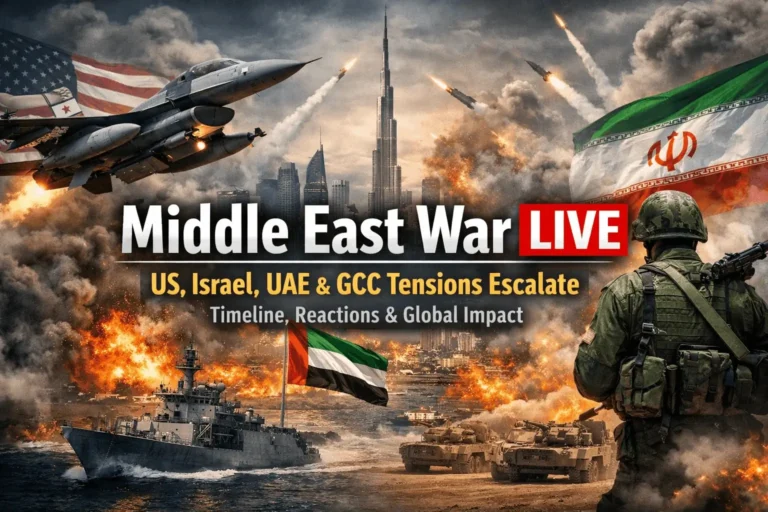
The activities are a portion of an even bigger escalation provoked by a big joint U.S.–Israeli military action against Iran, consisting of attacks on Iranian leadership and strategic objectives. The revenge by Iran has not been limited to the military installations but also to the regional infrastructure with the Gulf states severely condemning the action.
Along with the reaction of the UAE, other countries in the Gulf region have also shown diplomatic efforts; Saudi Arabia, recently summoned the Iranian ambassador due to the same attacks on the country, which highlights unity among the rest of the region in protest against the Iranian activities.
Security In UAE And Public Assurance
UAE authorities have emphasized that security systems are not weak as much as the environment is tense. The Ministry of Defence revealed that its air defence units have already managed to intercept waves of missiles and drones aimed at the country and the national security infrastructure is still in place to protect normal life and ensure security of citizens.
Officials have further instructed against dissemination of unverified information on social media regarding the attacks and that the action of misinformation may negatively affect stability and there are legal repercussions of sharing false or misleading information.
Implications On The International And Regional Level
The escalated conflicts have caused concern among the global community and even the regional organizations. The UAE has not only criticised the direct assaults on its lands but also attacks against neighbouring nations such as Oman, terming such an escalation as being dangerous and destabilizing.
UAE representatives have on several occasions called on Iran to use responsibility and not escalate the conflict arguing that war with neighboring countries is not in the interest of Tehran, nor is it needed to solve greater geopolitical disagreements.
An Emergency Diplomatic Decision
The decision of the UAE to summon the Iranian ambassador and frequent mention of terrorist attacks indicate the further development of diplomatic tensions in the Gulf due to a previously unseen increase in Iranian strikes against civilian infrastructure. As the Gulf leaders had cautioned that passive defence was not limitless and they emphasized on the commitments to sovereignty and stability, the situation further proves the increasing urgency of de-escalating and initiating diplomatic solutions even as tensions continued to enhance in the Middle East.
Also read: US–Israel–GCC–UAE Conflict LIVE Updates | Times of Dubai