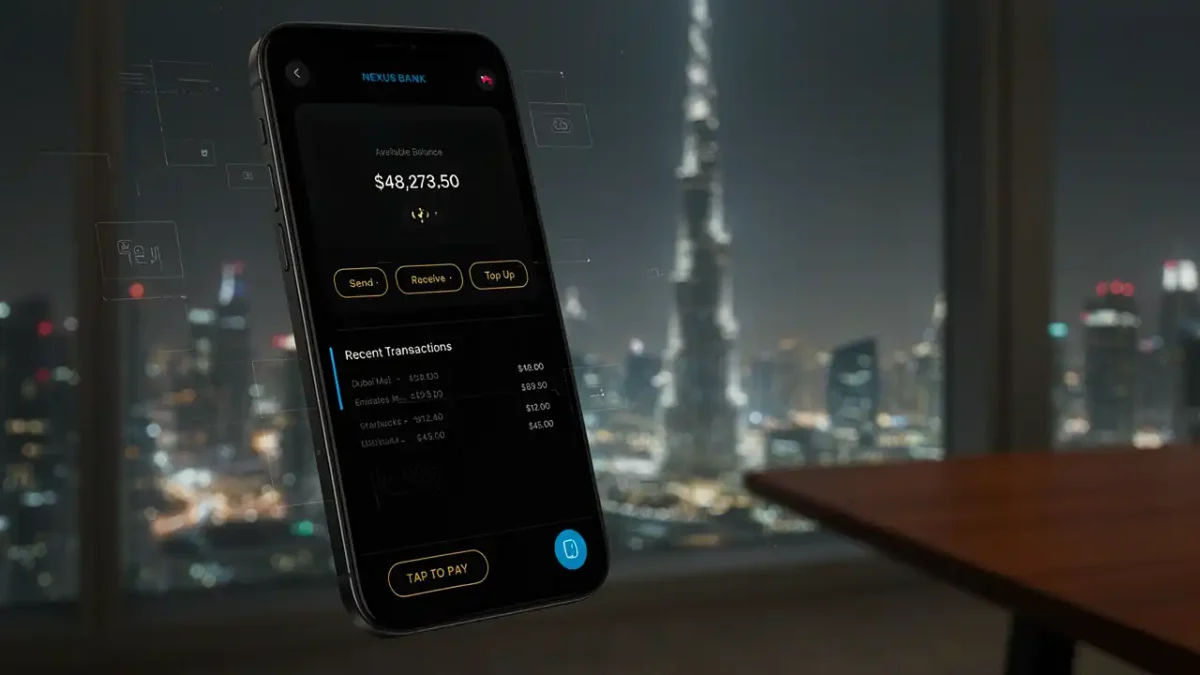
The BIT Summit gathered Dubai’s banking and fintech leaders to discuss a financial system reshaped by AI and digital payments.
The discussion also touches UAE digital banking 2026 and its implications amid one of the world’s largest remittance corridors. However, something interesting happened at a summit in Dubai today that most people will never hear about directly. Consequently, Its consequences will eventually appear in banking apps, transaction fees, and cross-border transfer speeds, shaping UAE digital banking 2026.

The Banking Innovation and Technology Summit, now in its fifth year, gathered leaders shaping the financial system. Moreover, their decisions influence operations beyond headlines the plumbing beneath the market. This highlights UAE digital banking 2026 trends.
And what they discussed is worth paying attention to.
The Quiet Revolution in Your Wallet
The UAE sent approximately 58.5 billion US dollars in outward remittances in 2024 alone. That is not a finance statistic in the abstract. That is tens of millions of individual transactions, most of them made by expatriates supporting families in India, Pakistan, the Philippines and dozens of other countries, every single month.
For years, sending money home meant visiting an exchange counter, paying a fee that ate meaningfully into the amount being transferred, and waiting. Sometimes a day. Sometimes more. That experience is being dismantled, piece by piece, by the intersection of digital infrastructure and competitive pressure that is now reshaping the UAE’s financial sector faster than at any previous point.
India’s PhonePe, the country’s largest payments app, received UAE Central Bank approval in September to launch in the country, its very first international expansion. It will serve the UAE’s 4.3 million Indian residents with payments, remittances and money management built around the familiar interface they already use back home.
UPI, India’s digital payments infrastructure that handles over 18 billion transactions monthly, is now expanding its merchant acceptance across the UAE. Dubai Duty Free and LuLu Hypermarket already accept UPI payments, letting Indian customers pay directly from their Indian bank accounts without needing to carry cash or manage currency conversion on the spot.
AI Is Coming for Your Bank — in the Good Way
One of the central debates was about something that most banking customers have not had to think about yet but soon will: what happens when it is not you initiating your transactions but an AI agent doing it on your behalf?
Autonomous AI systems are already beginning to manage portfolios, execute trades and handle routine financial instructions without human input at every step. The question being debated in Dubai today is how banks build trust, security and accountability into a system where the customer is increasingly not the one pressing the button.
For everyday banking users, AI is already showing up in ways that are genuinely useful. Real-time fraud detection that catches unusual activity without interrupting legitimate payments. Personalised rate alerts for remittances. Instant risk scoring that makes loan approvals faster. The visible surface of these changes feels small. The infrastructure underneath is a fundamental redesign.

Jaywan and the Cost of Paying
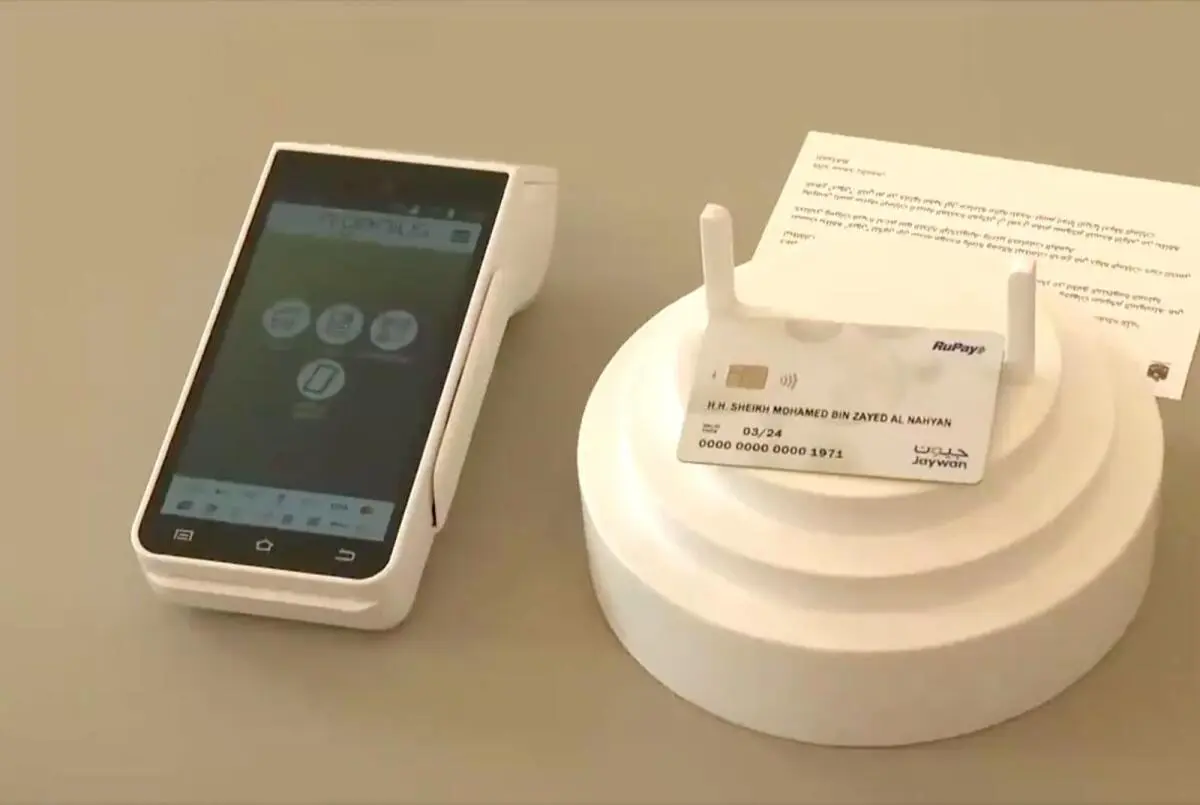
One specific discussion from today deserves more attention than it typically gets. The UAE’s national card scheme, operated by Al Etihad Payments, a subsidiary of the Central Bank of the UAE, and part of the country’s wider domestic payments infrastructure. The case for it is partly about sovereignty and partly about cost.
It isn’t just something being discussed at a fintech summit. It is already entering everyday payment systems. Emirates enabled Jaywan cards for flight bookings from September 16, 2026. DubaiPay enabled Jaywan for government payments in September 2026.
International payment networks charge merchants a percentage on every transaction. That percentage sounds small until you multiply it across every purchase made by every resident in the UAE every day. The cumulative drain on the SME economy alone is significant. Jaywan is designed to reduce that cost, and speakers at today’s summit were direct about what that means: lower transaction costs create room for businesses to price more competitively, which ultimately benefits every consumer making a purchase.
The comparison to other markets is useful. Countries that have built domestic payment infrastructure at scale have seen measurable GDP benefits as money circulates more efficiently within the economy rather than being extracted as fees by international networks.
Why This Summit Matters Beyond the Conference Room
The BIT Summit is a private sector event. No government press release will announce its conclusions. But the conversations that happen between banking executives, fintech founders and economists in a room like today’s have a way of surfacing in regulatory frameworks, product launches and policy decisions in the months that follow.
The UAE’s Central Bank Financial Infrastructure Transformation programme, launched several years ago, set a direction for digital payment modernisation across the entire financial system. What today’s summit reflects is how that direction is now being executed at the commercial level, by companies competing to offer faster, cheaper, more trusted financial services to a population that is overwhelmingly expatriate, overwhelmingly digitally active and increasingly expecting their financial tools to work as smoothly as everything else in this city.
The bank branch is not disappearing. But the transaction that once required one is now being completed on a phone, in seconds, for a fraction of what it cost three years ago.
That is the story BIT 2026 is really about.