
Nine days ago, two presidents signed a memorandum. The US Iran ceasefire was announced, the world started breathing again. Since then, two cargo ships have been struck in the Strait of Hormuz. US aircraft have hit Iran on two consecutive days. Iranian missiles have targeted military bases in Kuwait and Bahrain. Also, a Qatari citizen has been killed by shrapnel. And Trump has threatened to erase an entire country from the map. The US Iran ceasefire technically remains in place. How it remains in place given the events of the past 72 hours requires some explaining.
June 27: A Second Ship and a Second Strike
The escalation that began with the Ever Lovely attack on June 25 did not stop at one vessel. After the first CENTCOM strikes. Iran was given a chance to honour the ceasefire agreement but elected not to. Its forces also launched a one-way attack drone that hit M/T Kiku at 4:30am on June 27. The Panamanian-flagged tanker was transiting near the Strait of Hormuz carrying more than 2 million barrels of crude oil.
Related Stories

CENTCOM responded the same day with a second, broader round of strikes. US military aircraft targeted Iranian military surveillance infrastructure, communication systems, air defense sites, drone storage facilities, and minelayer capabilities.
In the same window, the Joint Maritime Information Center, overseen by the US Navy, announced that a route through the Hormuz near Oman had been widened. It will allow for more naval traffic in both directions. Furthermore, this is a direct challenge to Iran’s assertion that it alone controls Strait access.
Bahrain reported drones targeting its territory at dawn on June 27. Its Foreign Ministry said the attacks were a flagrant violation of the Gulf kingdom’s sovereignty. And placed the sole responsibility for undermining peace efforts on Tehran.

June 28: Iran Strikes Kuwait and Bahrain
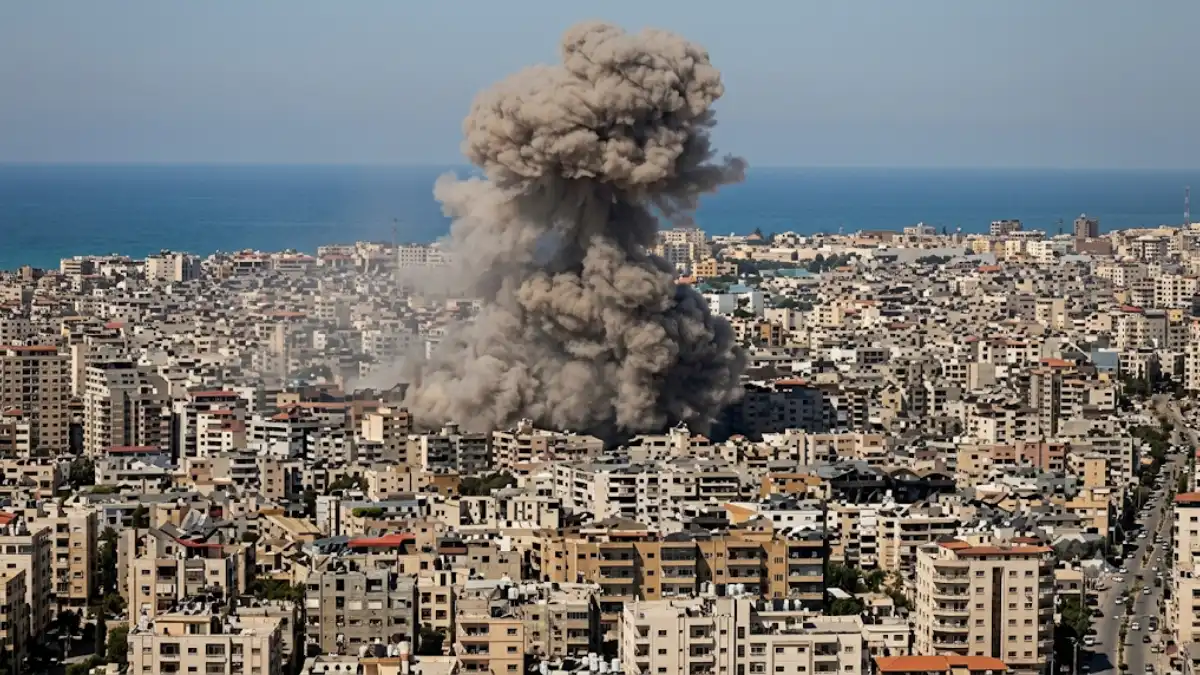
The most significant escalation came in the early hours of June 28. The IRGC confirmed it launched ballistic missiles and drones at the US Ali Al Salem Airbase in Kuwait. The US Fifth Naval Fleet at Port Salman in Bahrain was also targeted. The IRGC said it destroyed eight important US military facilities at the two bases by launching ballistic missiles and drones. They warned that any enemy aggression, regardless of pretext, will have a crushing response.
The attacks did not only hit military targets in Bahrain. Bahrain’s Interior Ministry confirmed a residential building in Muharraq was hit by an Iranian drone, with civil defence and rescue personnel on scene. Air raid sirens sounded in Bahrain for a second time.
Qatar condemned the attacks. They also launched a search and rescue operation after a vessel linked to its coastguard failed to return. Qatar’s Ministry of Interior confirmed the death of a Qatari citizen who sustained shrapnel wounds resulting from the military operations in the region.
Kuwait described the repeated Iranian aggressions as a flagrant violation of its sovereignty. The UAE strongly condemned the attacks on Kuwait and Bahrain, calling them a blatant violation of the two states’ sovereignty and a threat to their security and stability. US aircraft hit five more Iranian coastal positions on June 28, bringing the total number of separate US strike operations against Iran in 72 hours to three.
Trump moved from warnings to existential language on June 28. “There may come a point when we are no longer able to be reasonable, and will be forced to militarily complete the job that we very successfully started. If that happens, the Islamic Republic of Iran will no longer exist!” he posted.
US Iran Ceasefire: The Route Dispute That Is Driving Everything
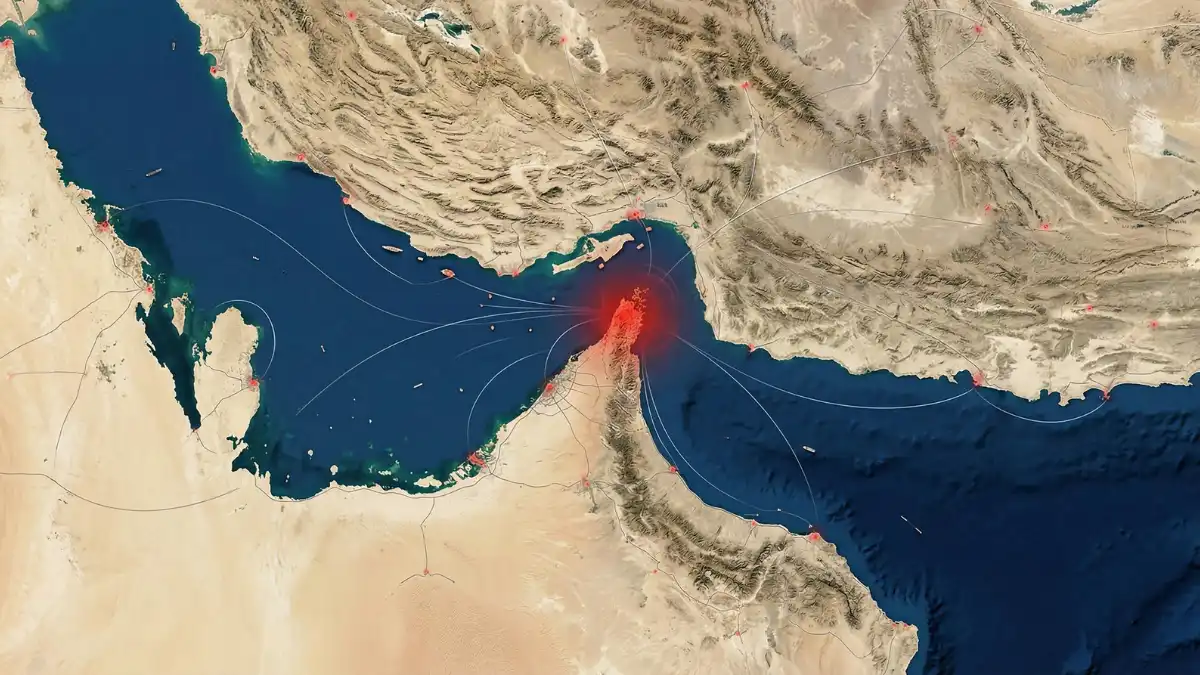
Underneath the exchange of strikes lies a specific, unresolved argument. Iran’s Foreign Minister Abbas Araghchi said the US must force Israel to halt attacks and withdraw from Lebanon, and reiterated that Tehran alone must govern the Strait.
“Any attempt to establish new or separate arrangements from those currently being carried out by the Islamic Republic of Iran will only lead to further complications, delay the reopening of the Strait of Hormuz and increase the level of tension,” Araghchi said.
The MOU’s Article 5 requires Iran to make arrangements for safe commercial vessel passage but does not specify which route, under whose authority, or at what cost. That ambiguity is the fault line on which every strike since June 25 has fallen.
US Iran Ceasefire: Where It Stands on June 29
A senior US administration official told CNN on June 29 that technical talks on the MOU remain on track, that no meetings had been cancelled, and that discussions on implementing the memorandum are still scheduled to proceed in the coming days as planned. Ship traffic on the strait has continued despite the elevated threat environment, with 89 US-assisted commercial transits made in recent days. This remains below the historical average of 138 vessels per day.
Iran’s parliamentary Speaker Mohammad Bagher Qalibaf called on Sunday for a conflict control unit among Iran, the United States, and Lebanon to convene as soon as possible to reduce the risk of unintended escalation. Egypt and Qatar both stressed the importance of continuing the negotiating track and the implementation of agreed measures to reduce tensions.
The US Iran ceasefire has now survived multiple ship attacks, three rounds of US airstrikes, Iranian missile salvos against two sovereign Gulf states, a dead Qatari civilian, and a US presidential threat to erase a country. Whether it survives the next 72 hours depends on whether both sides find a face-saving way to stop, rather than a justified reason to escalate.
Read More: AI Implementation Gap: What Professional Firms Are Missing