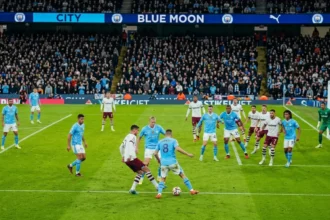

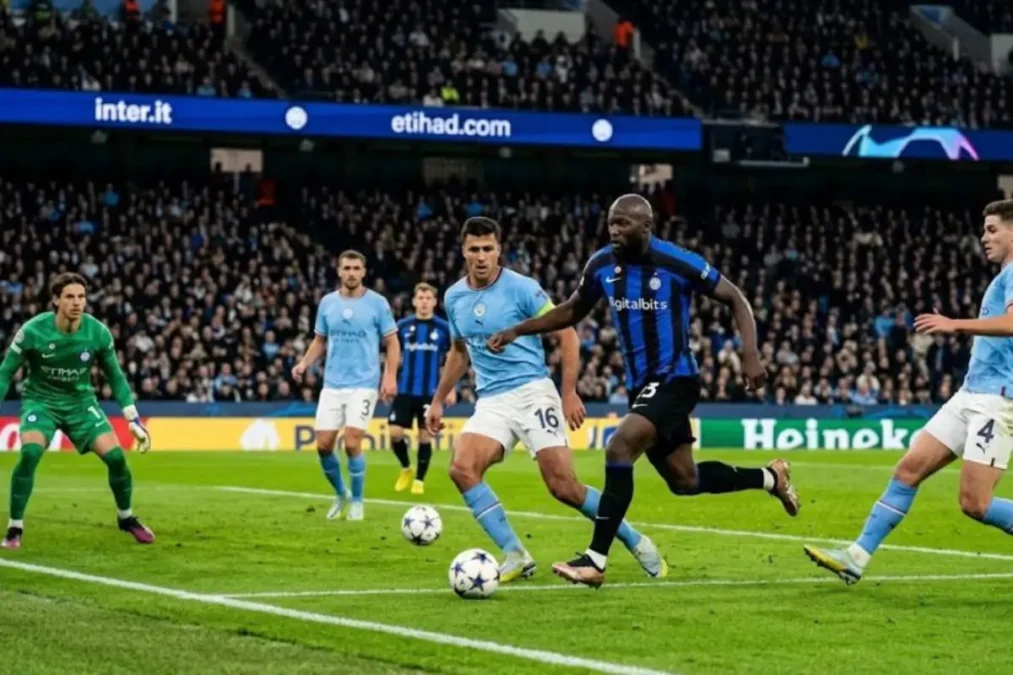
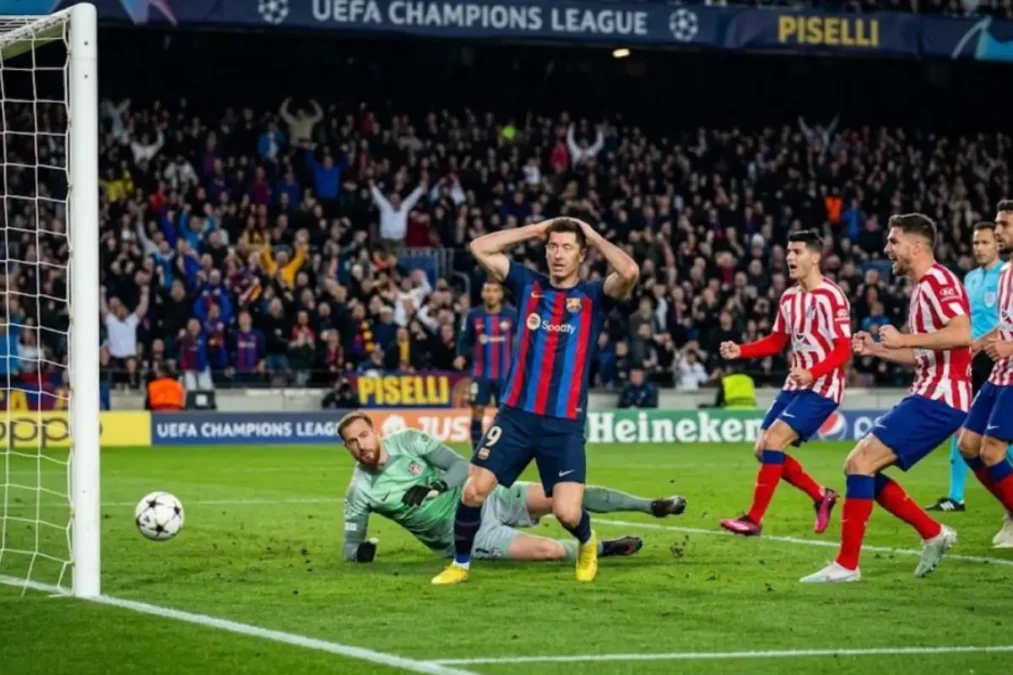
There’s a pattern that keeps repeating itself in the Champions League. Games don’t always get decided by dominance anymore. Not even by tactics alone. More often than not, it comes down to something much smaller — a single decision, a lapse in concentration, a moment that doesn’t look big at first… but changes everything. Call it “one moment football.”
And this season, it’s been impossible to ignore.
Related Stories

When Control Isn’t Enough
Take the recent knockout games. Some teams have had the ball, controlled territory, even dictated the tempo for long stretches. On paper, they looked like the better side. But the result told a different story. Because control doesn’t guarantee safety.
All it takes is one misplaced pass, one defensive step taken too late, or one risky challenge — and suddenly the game flips. What looked comfortable turns fragile in seconds. That’s the reality of knockout football now. Margins are thinner than ever.
The Camavinga Moment
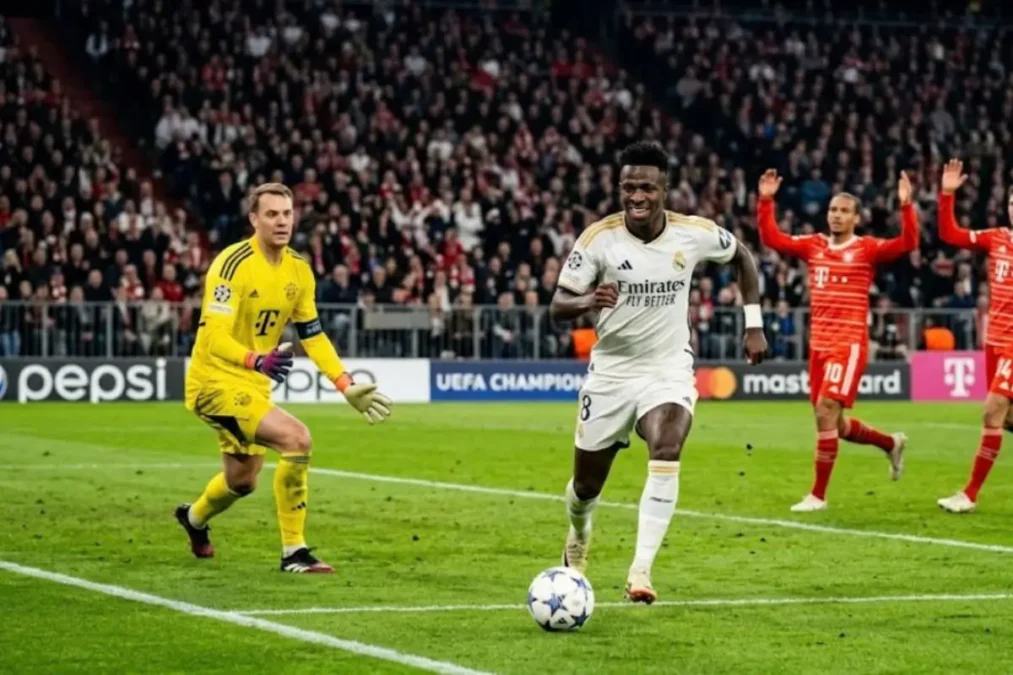
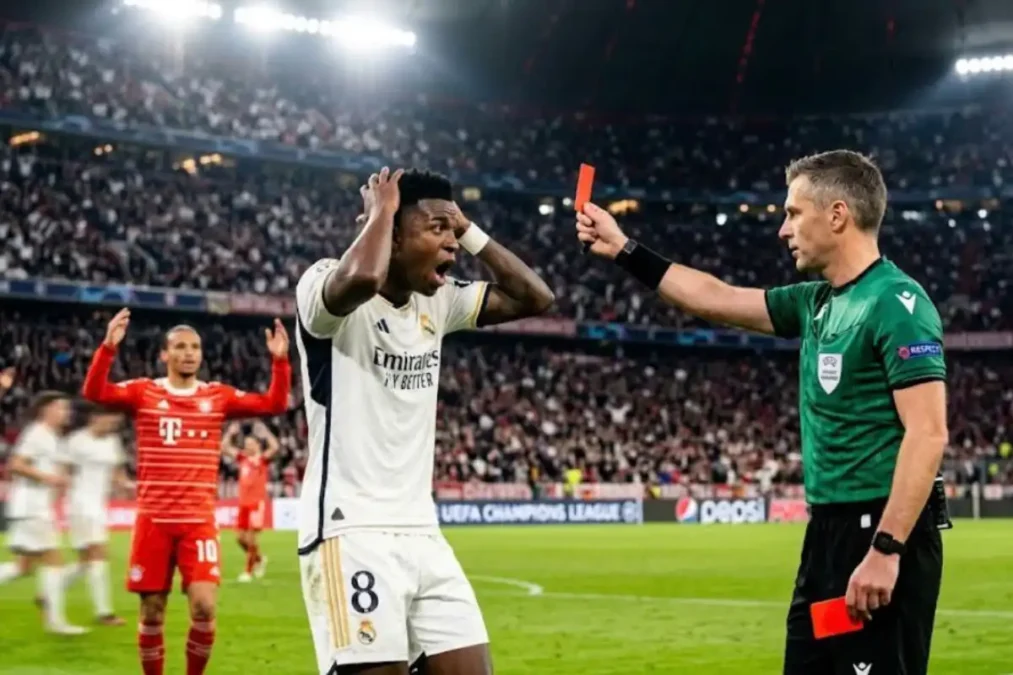
The clearest example came in Real Madrid’s clash with Bayern Munich. For most of the game, Madrid weren’t in control — but they were still in it. Hanging on, waiting for something to fall their way. That’s a familiar script for them. Then came the turning point.
Related Stories
Camavinga’s red card wasn’t just a disciplinary issue. It changed the entire rhythm of the game. The structure broke, spaces opened up, and Bayern didn’t need a second invitation. In that moment, the tie effectively shifted. It wasn’t about tactics anymore. It was about a single mistake.
Liverpool vs PSG: A Different Kind of Error
Not every turning point is as obvious as a red card. Sometimes it’s more subtle. Liverpool created enough to win against PSG — or at least, it felt that way watching the game. The pressure was there. The territory was there. The shots kept coming. But there was a different kind of error at play. Hesitation.

In the final third, the decisions weren’t quite right. Shots taken too early, passes slightly off, runs mistimed. And then, one transition the other way — and PSG scored.
That’s the other side of “one moment football. “It’s not always about doing something wrong defensively. Sometimes it’s about not doing enough when your moment comes.
Why Margins Feel Smaller Now
There’s a reason this keeps happening. Teams are more organized than ever. Defensive structures are tighter, transitions are quicker, and players are physically sharper. You don’t get many clear openings anymore. So, when a moment appears, it carries more weight. A few years ago, a mistake might have been recoverable. Now, it often isn’t.
Related Stories

And in knockout football — where there’s no time to fix things over a long run — that becomes decisive.
The Psychological Shift
What makes these moments even more important is how teams react to them. You can almost feel it in real time.
A missed chance. A VAR decision. A red card. The energy changes. One team grows, the other hesitates. Passes become safer, movements slower. Suddenly, the game isn’t being played the same way anymore. It’s not just tactical. It’s mental. And once that shift happens, it’s very hard to reverse.
Not About Who’s Better — But Who’s Cleaner
This is probably the biggest change in modern Champions League football. It’s no longer just about which team is better over 90 minutes. It’s about which team makes fewer mistakes in key moments.
You don’t need to dominate the game. You just need to survive it — and then take your chance when it comes. That’s why teams that look less impressive on the ball can still win ties. They stay in the game, wait for the right moment, and punish the error when it arrives.
Conclusion
“Fine margins” has always been part of football. But in today’s Champions League, those margins feel even smaller. Games are no longer shaped only by tactics or control. They’re shaped by moments — quick, unpredictable, and often irreversible.
A red card. A missed chance. A single decision. And once it happens, there’s no going back. That’s knockout football now. Not about perfection. Just about who gets the moment — and who wastes it.
Also Read: Chamber of Fashion Expands Global Opportunities for Designers Under Avinash Rajwani’s Vision