
A Game That Never Fully Opened Up
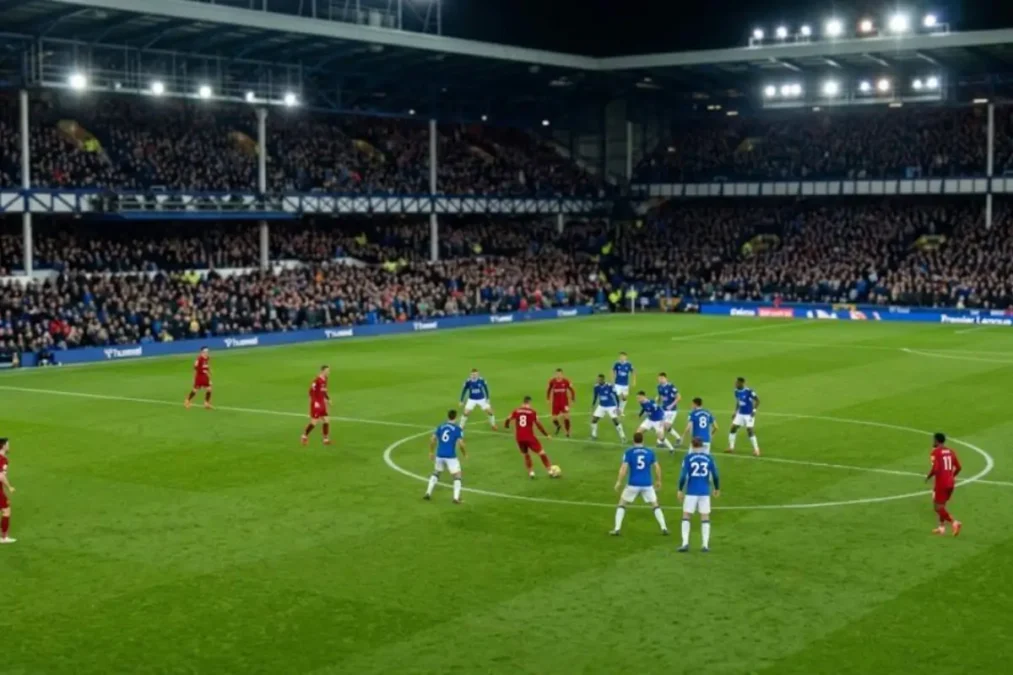
This wasn’t one of those games where everything flows. For long periods, Everton vs Liverpool felt tight, a bit scrappy at times, and very controlled. Both sides set up in a 4-2-3-1, and you could see early on how those shaped things.
The midfields kind of cancelled each other out. There wasn’t much space centrally, and whenever someone received between the lines, pressure came almost immediately. It wasn’t boring — just tense.
Related Stories

Why the Middle of the Pitch Felt Crowded
With both teams using a double pivot, it became hard to progress cleanly through the Centre. Everton stayed compact, didn’t overcommit, and forced Liverpool to go wide more often than they probably wanted. You could see Liverpool trying to work angles, especially through their full backs, but it didn’t always lead anywhere dangerous.
At the same time, Everton weren’t dominating either. They had moments, but nothing sustained. It felt like both teams were waiting for something to break.
Two Goals, Two Different Stories
The goals said a lot about the game. Liverpool had taken the lead earlier through Mohamed Salah — not from anything overly complicated, just being in the right place and finishing the moment.
Everton’s response came later, and it was a bit different. Beto took advantage of a situation where Liverpool’s defensive shape wasn’t fully set. It happened quickly, almost before Liverpool could react properly. That’s the thing with these games — you don’t need many chances. Just the right one.
Control vs Directness
If you look at how both teams attacked, there was a clear contrast. Everton were more direct when they could be. When they saw space, they went for it, especially in moments where Liverpool wasn’t fully organized.
Liverpool was more patient. They moved the ball around, tried to pull Everton out, but with the way Everton stayed compact, it often ended with crosses or recycled possession. You could feel the frustration building a bit.
And Then, the Moment
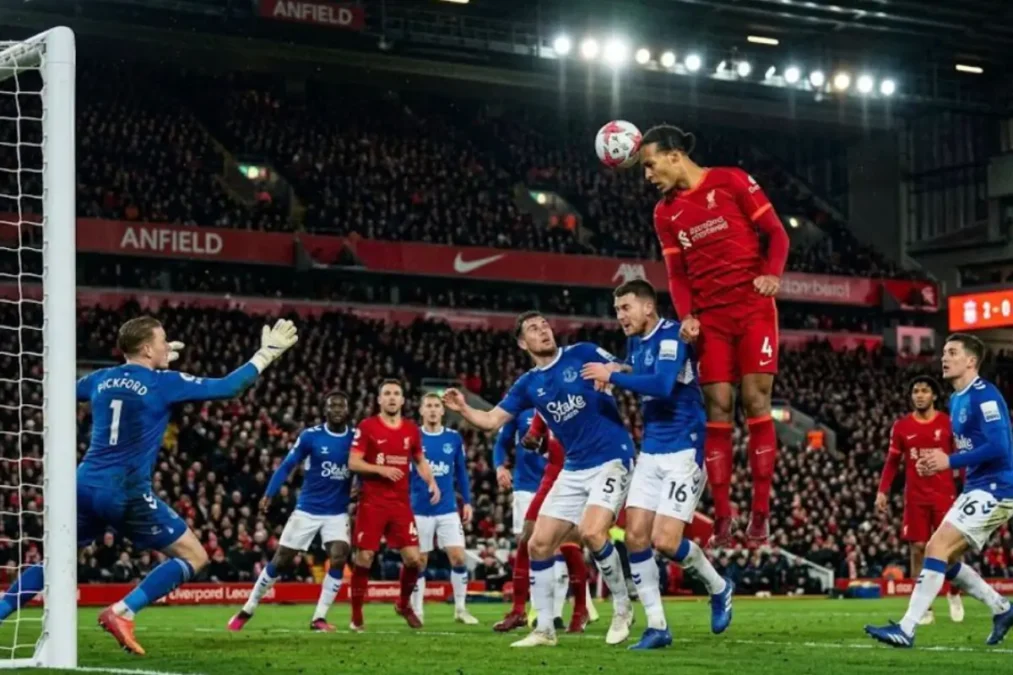
It looked like it was heading for a draw. Nothing in the game really suggested a late winner was coming. But then, one delivery into the box changed everything. Virgil van Dijk rose attacked it properly, and that was it. Late goal, no time left, game over. Simple, but decisive.
What Decided It
This wasn’t about one team completely outplaying the other. It came down to small things:
• Being switched on late in the game
• Attacking the right moment
• Taking the chance when it finally came
Liverpool did that better in the end.
Final Thought
When two teams line up the same way, like both did here with a 4-2-3-1, you don’t always get a tactical mismatch. Sometimes you just get a tight game where details decide everything. This was one of those nights. And in the end, Liverpool found that one moment Everton couldn’t deal with.
Also Read: One Moment Football: Why Champions League Knockouts Are Decided by Micro-Errors