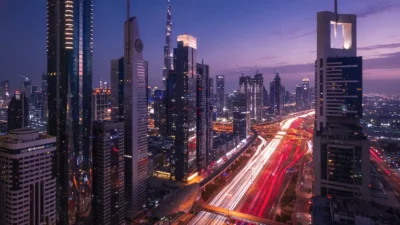
Dubai is expanding its public transport capacity with the delivery of 735 new buses under a major purchase contract by the RTA. This includes 40 electric vehicles, the largest electric bus deployment in UAE history. For the first time, urban electric buses will operate on the emirate’s metropolitan routes. The roll out is a part of the bigger mission to shift dependency from fossil-fuel-dependent transport. It is a step forward towards Dubai’s goal of a zero-emission public mobility system by mid-century.
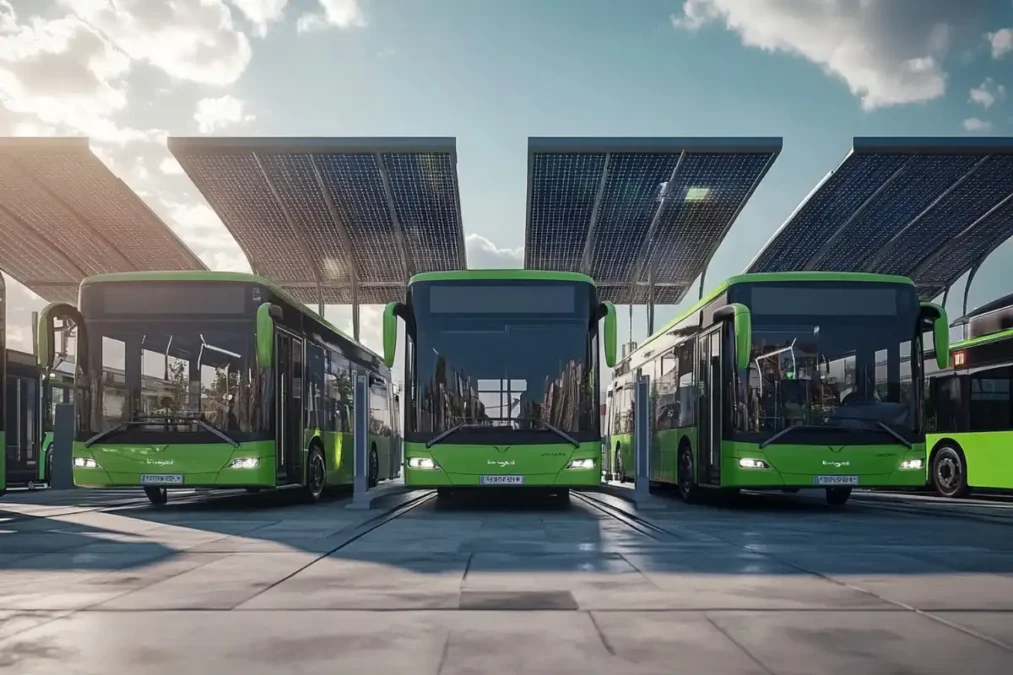
The 735 Bus Fleet
The procurement is the largest single bus contract in RTA’s history. It covers a mix of vehicle types designed to serve different route profiles across the city. The contract consists of 40 Zhongtong electric buses and 549 city-service buses with Euro 6 low-emission engines. Moreover, 76 Volvo double-decker buses for high-density corridors and 70 high-capacity Isuzu Anadolu buses to serve the newly developed districts are also a part of the contract.
Related Stories
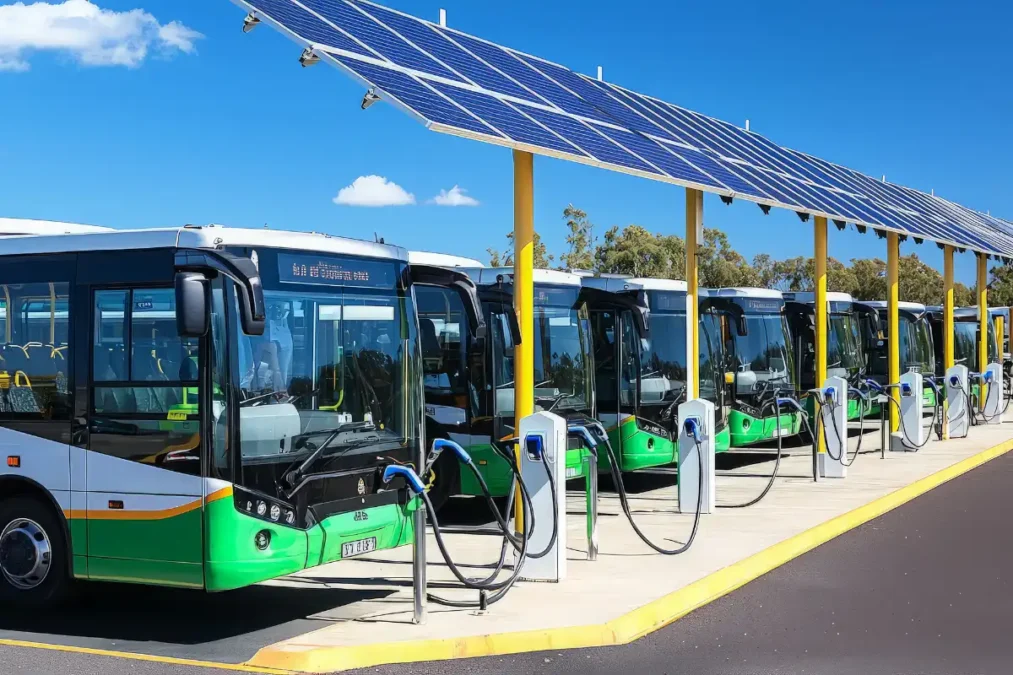
First 250 buses have already been delivered, while remaining units are scheduled for completion through 2026. To support the urban electric buses, charging infrastructures have been installed and made operational across five RTA depots. This ensures immediate deployment of the buses upon arrival. All vehicles have a smart operational layer featuring driver behaviour monitoring systems, automated passenger counting, and driver identity authentication.
Urban Electric Buses
The 40 Zhongtong electric buses are the most significant element of the contract. Each 12-meter vehicle seats 70 passengers. It carries a 434 kWh battery that is supported by a 360 kW ABB fast charger, that delivers a single charge range up to 280 kilometers. This is sufficient to complete a full daily service cycle without recharging at the depot.
These buses were tested in Dubai for more than three months before approval. The trial verified stability of the electric propulsion system, energy consumption efficiency, battery cooling performance, and brake responsiveness across typical city routes. RTA reported that the results were 95 percent satisfactory among drivers and passengers.
All buses also have a low-floor to provide easy access for the specially abled, dedicated seats for children, bicycle spaces, Wi-Fi, and mobile charging points, making them the most passenger-friendly buses currently operating in the region.
Emission-Down Strategy
The fleet expansion reflects measurable environmental progress already underway. 12 percent reduction in greenhouse gas emission was recorded by RTA in 2025, compared to previous year, a 44 percent drop relative to the 2022 baseline. The electric buses operations reportedly helped avoid over 59,000 tonnes of carbon emission in 2025.
The 735-buses project will accelerate this trajectory. RTA’s Zero-Emission Public Transport Strategy 2050 targets to transform all transport to electric or hydrogen power by mid-century. A 30 percent emission reduction target is already set for 2030.
Urban Electric Buses, Up Next…
Director General of RTA, Mattar Al Tayer framed the procurement within the broader policy context. He said that the number of urban electric buses operating across the emirate will increase gradually in the near future. He also stated that it sits in line with the carbon reduction footprint and supports the Dubai Economic Agenda D33 aimed towards strengthening Dubai’s position among the world’s leading urban economies. The city is growing towards a cleaner, smarter, and more resilient public transport system that feeds directly into Dubai’s Urban Plan 2040.
Read More: Dubai’s Night Economy: How the City Makes Billions After Midnight