The Dubai real estate market has spent the last three years breaking records. As per Dubai Land Department report in Gulf News, the total transactions crossed Dh917 billion in 2025. Villa prices increased up to 28 percent, according to ValuStrat data from June 2025. Off-plan launches were sold within hours. The narrative is optimistic, Dubai is a city where property stats only increase and every area eventually experiences the boom. However, the data tells a more complicated story. For every Business Bay that doubled in value, there was a community like International City that watched it from the outside, which grew older, stayed cheaper, and stubbornly undervalued even after years of waiting for their turn.
What’s Left Behind?
International City and Discovery Gardens are two clearest examples. Both were launched in the mid-2000s as affordable alternatives to central Dubai. These attracted tens of thousands of residents, and nearly two decades later they remain at the very bottom of the price ladder.
Property Finder shows the gross rental yields of International City are 8 to 10 percent with studio apartments starting as low as Dh250,000. Discovery Garden mirrors this with prices averaging at Dh900 to Dh950 per square foot with yield touching approximately 7 percent, according to Property Finder listings. Those yields attract cash flow investors, however, capital appreciation metric is the deciding factor of whether a community has arrived or not. It has been absent in both areas.
Comparatively, Jumeirah Village Circle is enlightening. Both were budget communities a decade ago. JVC recorded a apartment rental price increase at 13% in 2025, according to Knight Frank. One-bedroom units now range from Dh750,000 to Dh1.1 million. International City in the same time window has moved barely.
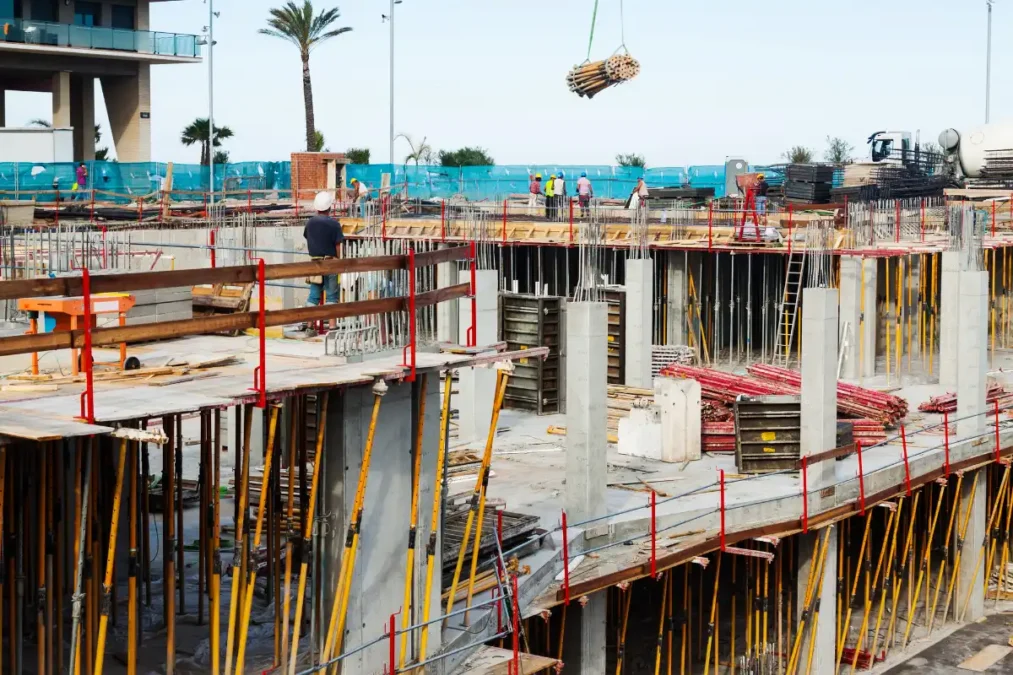
International City, End-Users Decision
Zayn Sarbazzy, Property Consultant at AX Capital, identified the root cause clearly. “The biggest reason is end-user demand,” he says. “Location and developer reputation both matter, but the real floor value comes when people genuinely want to live in the community, not only invest in it.” He further elaborated that the communities that hold value often solve real lifestyle problems, they offer convenience, access, safety, amenities, walkability, schools, retail, or a certain status. “That creates consistent demand from both tenants and end-users.”
He pointed to Al Furjan and JVC as the clearest proof, and said that these communities were not always seen as prime locations. Over time, with the improvement in access and retail expansion, the communities matured and more residents moved in. Investor perception changed, people started looking at them not only as a cheaper alternative but as functional communities with rental demand and resale depth. The inference for International city and Discovery Gardens is direct, high yield does not make a community investable for long-term. “Price alone does not create appreciation,” Sarbazzy added. “A cheap area can stay cheap for years if there is no reason for people to live there.”
Disciplined capacity intensifies the crunch. Reportedly 90,000 to 120,000 new residential units are scheduled for delivery in 2026, three times more than what was completed in 2025. This means that the older stock in less-developed communities is faced to compete with newer, better-specified alternatives. When tenants have options, rusty buildings in infrastructure-light areas lose.
International City, The Metro Effect
The announcement of Metro Blue Line has shifted the conversations around these underperforming communities. Once it opens in 2029, RTA claims that the Blue Line is expected to increase property values near its stations. International City sits on that route. However, Sarbazzy drew a sharp line there. “International City is directly part of the Blue Line story. Earlier, investors looked at it as a low-ticket, high-yield area. Now, the conversations are shifting. Buyers are asking how close it is to the future metro station, and what the net yield is after service charges. They are now evaluating whether the area will become more livable over the next five to ten years.”
“From what I am seeing,” he added, “this is a real behavioral shift.” He is careful, however, not to overstate what the announcement alone guarantees. “I would not say that the Blue Line automatically makes every unit in the International City a strong investment.” He explained that the area still has some valid concerns including older infrastructure, building upkeep, parking issues, tenant turnover, and community management. “The interest is selective. Investors are looking for the right building, right cluster, and walking-distance to access future infrastructure.”
Discovery Garden, he says, plays differently. “Its appeal comes from already existing Red Line and Route 2020 access, larger unit sizes, affordability compared to surrounding areas, and steady rental demand. People looking at the Discovery Gardens are usually more cash-flow focused. They want a ready unit, a tenant in place, and a practical location.”
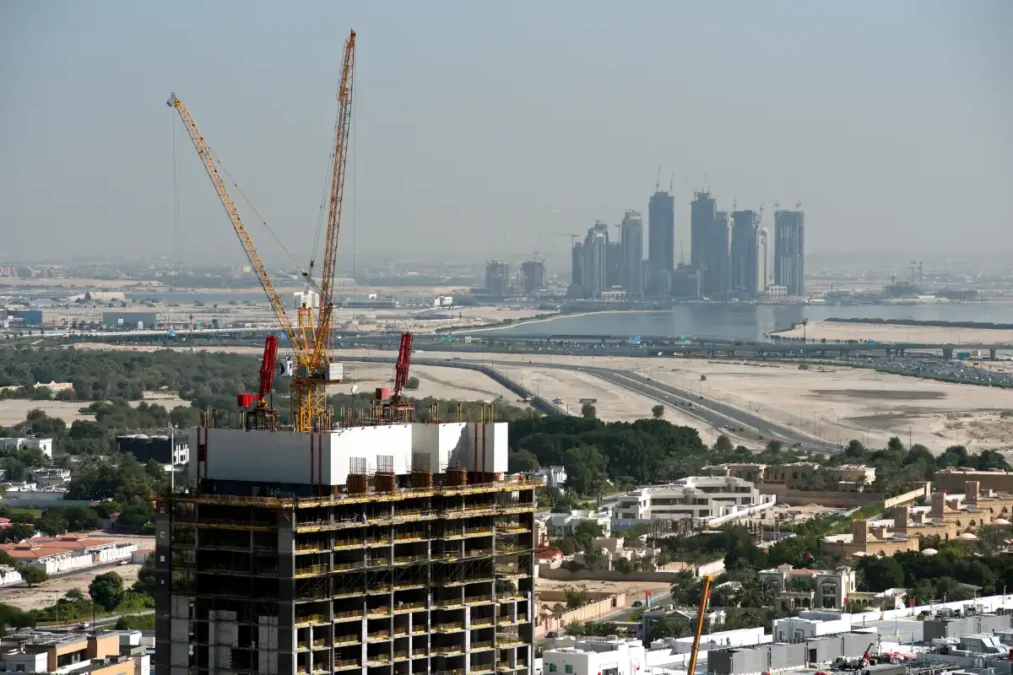
Smarter Investors Win
The new metro line opens in 2029. Whether International City uses the interim years to attract amenity investment and developer attention will determine if this is a turning point or not. Sarbazzy framed the test simply, he said, “I ask three questions; will people want to live here? Will tenants keep choosing this area? And will another buyer understand the story when I want to exit?” For the communities that got left behind, answering yes to all three differentiates a real turnaround from another false dawn.
Read More: Three Indians injured in fresh Iranian attacks, UAE responds with a stern warning