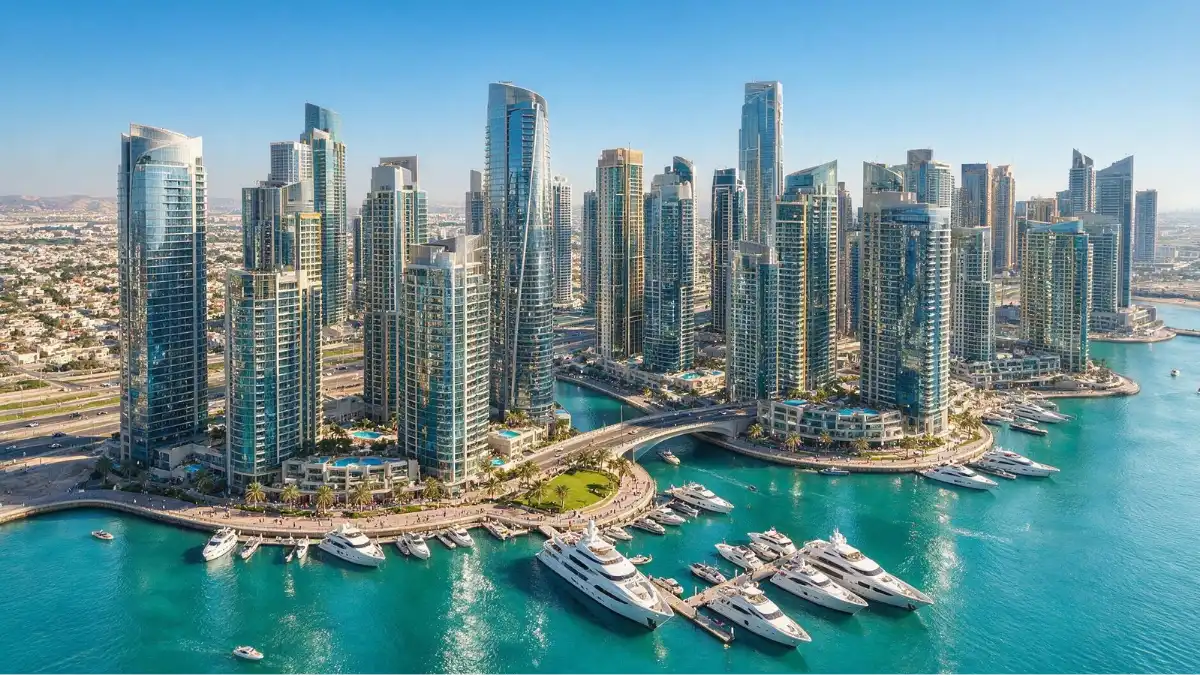
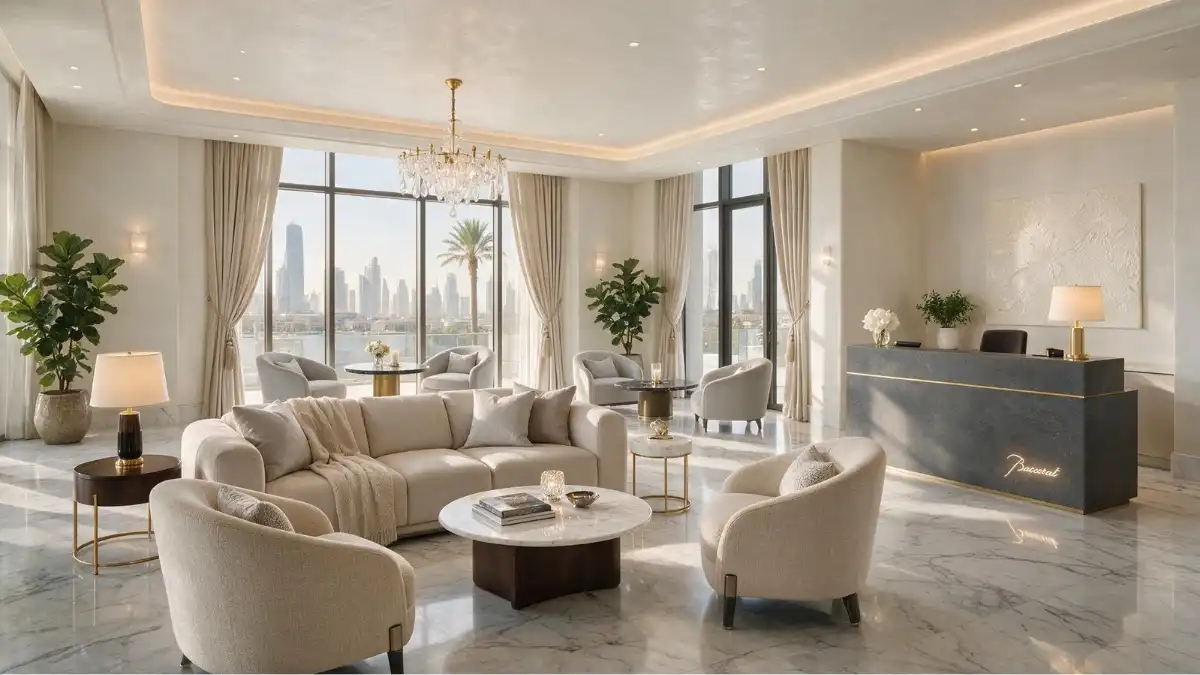
When a buyer enters a high end off plan sales suite in Dubai, he or she is not usually given any easy to understand floor plans or standard structural conditions. Rather, sleek marble lobbies, separate white-glove concierge desks, private wellness spas and round-the-corner waterfront views. Sales pitch is dominated by identity. The purchase of an apartment is described not just as an investment in square footage, but a commitment to a long-term marriage with a top international hotel, fashion brand, car company or lifestyle company.
Market reporting by Morgan’s International Realty indicated that the Dubai real estate market has seen a substantial growth in the market of branded residences in the initial half of 2026. The sector saw eight new projects add 5,184 units, increasing the total count of units in inventory by 8.7% to 64,744 units in 183 projects. Data shows that AED 3,662 per square foot has been the average achieved price for these homes against AED 2,350 per square foot for the non-branded counterparts, which is a significant 56% premium for branded homes.

But market indicators suggest a new dynamic. The same Morgan’s International Realty report notes that H1 2026 transactions fell 21% year-on-year to 4,648 deals, while total sales value dropped 47% to AED 22.21 billion. This shift signals a far more selective investor landscape within Dubai luxury property.
Dubai’s branded homes have become a highly visible segment of the city’s real estate offering. Yet as supply grows and buyers exercise greater caution, the central question is no longer whether a famous name can sell an apartment, but what that name genuinely delivers after handover.
What Exactly Is a Branded Residence?
A branded residence is a private residential property—such as an apartment, villa, townhouse, or penthouse—developed in official partnership with an established global brand. These partnerships generally span four distinct sectors, including hospitality operators, fashion houses, automotive brands, and specialized lifestyle or wellness companies.
Related Stories
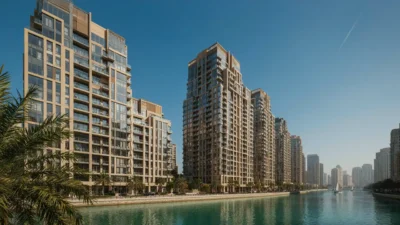
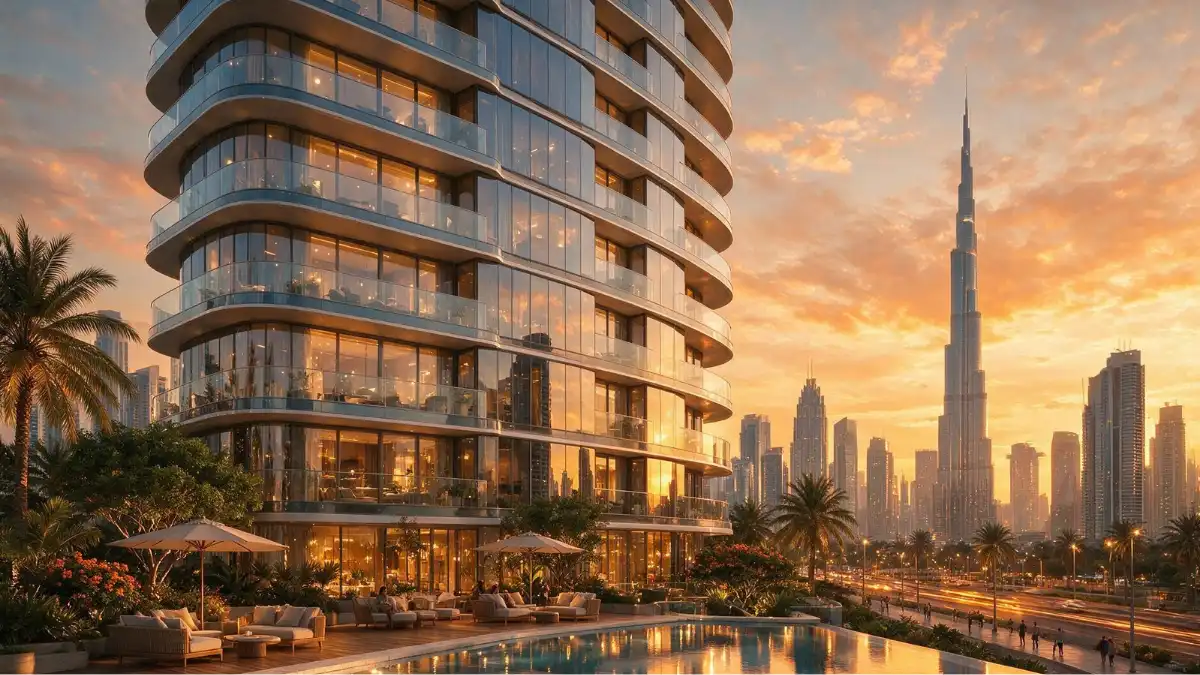
The operational setup varies considerably depending on the chosen business framework. In a hotel-managed model, the residences sit adjacent to or within a hotel, with daily operations handled directly by the hospitality team. In a brand-licensed model, a developer pays to use a designer’s aesthetic, and a third-party firm manages daily operations. Fully integrated lifestyle models enable the brand to influence the entire architecture and interior design, as well as the service provided to the residents throughout the period.
Buyers need to understand the underlying contracts as these contractual models can be very different from each other. For anyone considering buying a branded home in Dubai, it’s important to verify whether the brand is responsible for the day-to-day care of the building or if it has just licensed its trademark. This difference in operations has a significant effect on the consistency of the service, maintenance of the buildings and the down the road value of the branded properties in Dubai, affecting whether or not the high cost of these branded homes is justified over the long haul.
Why Dubai Keeps Building Them
Branded developments are not required simply to meet baseline housing demand. Dubai saw 25,000 homes completed in H1 2026, a 36% year-over-year increase, with 32,000 more expected in H2. Instead, branded properties serve four distinct strategic functions within the broader ecosystem.
First, branded concepts provide essential project differentiation in a market with substantial new handovers, helping developers stand out in crowded sub-markets. Second, a globally recognized name builds international buyer confidence. Overseas investors who may not know local developers instantly recognize established luxury hospitality or design brands, using them as a reliable shortcut for expected quality.
Third, these homes create a strong synergy with luxury tourism by bridging the gap between holiday rentals, second-home ownership, and hotel-style living, which supports the city’s appeal to mobile global wealth. Finally, branded projects yield enhanced developer margins. The achieved 56% average price gap in Dubai sits well above the cited global average premium of 30% to 35%, offering strong commercial incentives for master developers.

Ultimately, these residences function as effective commercial tools. They allow developers to differentiate offerings, help foreign buyers manage cross-border investment risks, and reinforce the city’s luxury standing. However, market utility for developers does not automatically guarantee superior financial returns for individual buyers.
What Buyers Are Actually Paying For
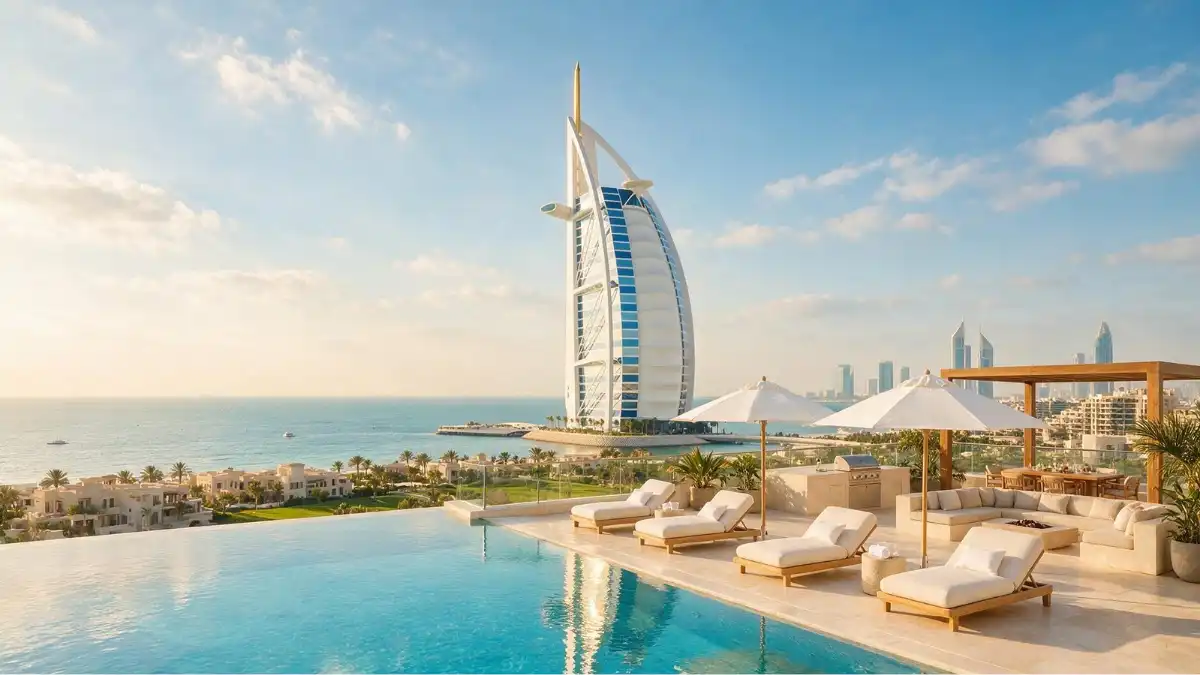
When acquiring a branded home, buyers pay a premium for a bundle of tangible and intangible benefits. These elements typically include signature interior design, valet, concierge, housekeeping, specialized security, private lounge access, and superior common area maintenance. Overseas buyers also gain peace of mind knowing an international brand is associated with the building’s upkeep.
According to the H1 2026 Morgan’s International Realty report, branded properties achieved average prices of AED 3,662 per square foot, compared to AED 2,350 per square foot for non-branded alternatives. To assess this 56% gap, one needs to consider annual service charges, as well as the various amenities offered and those subject to additional charges.
The execution of the operation will determine the real value, not just the brand name. When considering branded Dubai properties buyers should pay particular attention to service charges, check management contracts, and assess the actual rarity of the property and not take marketing hype for granted. Once the initial launch phase is over, the high cost of the branded homes in the secondary Dubai luxury market becomes problematic without strong facility management.
A More Selective Market Emerges
Recent transaction metrics highlight a shift toward greater market discipline. While total inventory expanded in H1 2026 by 8.7% to reach 64,744 units across 183 developments, Morgan’s International Realty data shows branded transaction volumes fell 21% year-on-year to 4,648 sales. Furthermore, total transaction value dropped 47% to AED 22.21 billion. The higher concentration of smaller unit sales and non-prime inventory largely drove the sharper drop in value, compared with the record-setting peaks of H1 2025.
This deceleration in total sales volume does not signal a broader collapse; rather, it reflects a more discerning buyer pool. Betterhomes analyzed Dubai Land Department data for August 2026. The analysis showed monthly market transaction volumes fell 37%. Sales values dropped 44% year-on-year during the quiet summer period.
Crucially, capital concentrated heavily in prime off-plan launches and established branded hubs. According to DLD figures, Business Bay surpassed Palm Jumeirah as the busiest prime destination in August. The demand for high-profile branded projects backed the shift. Buyers remain willing to pay for top-tier branded assets. A persistent 56% price premium confirms this, when location and developer track record are unassailable.
The Buyer’s Checklist Beyond the Logo
Purchasing a branded residence requires thorough due diligence that extends beyond marketing displays and brand recognition. Investors should evaluate key operational criteria before making capital commitments.
First, reviewing the master developer’s history regarding construction timelines, finishing quality, and handover commitments is essential. Investors should clarify the brand’s exact role. This clarifies whether the arrangement is long-term operational or a temporary design licensing deal. Next, calculating mandatory annual HOA and service fees ensures ongoing operational costs do not erode net rental yields.
Additionally, buyers should confirm which entity oversees day-to-day building operations. They should analyze historical resale performance for completed branded properties within the immediate community. Lastly, recognizing location scarcity helps you gauge micro-location value. For example, a first-floor waterfront may indicate premium value, while nearby supply competition could reduce it.
When evaluating branded residences in Dubai, treat each purchase as real estate investment, not only branding. Dubai luxury properties can preserve capital long term if the property and service framework offer solid value. The façade brand remains an added bonus. For long-term capital preservation in Dubai luxury property, ensure solid value in the property and service framework. The branded name on the façade remains an added bonus. Investors should view it as secondary to the asset’s intrinsic value.
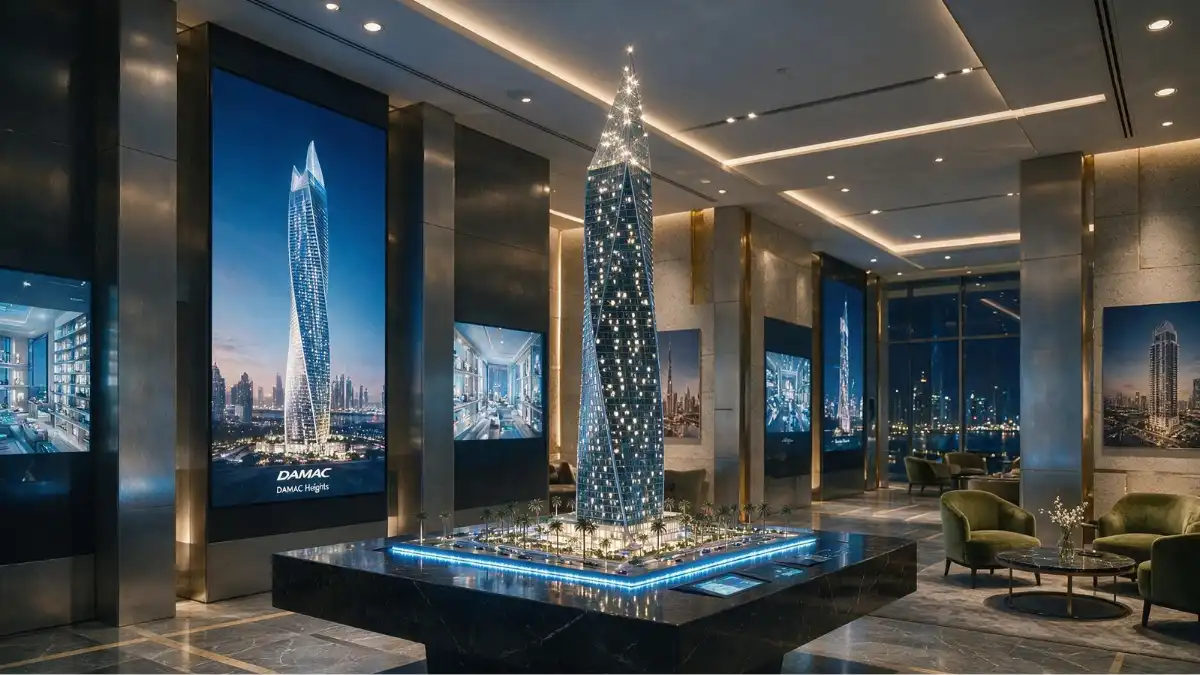
A Name Is Not a Strategy
Branded developments have a definite place in the Dubai real estate market. They offer the benefit of distinguishing projects, bringing in global investment and strengthening the city’s global luxury brand. Developers who manage these homes well build them to high quality. They provide a full range of lifestyle amenities. That combination makes branded residences in Dubai valuable to buyers.
However, brand association alone does not guarantee superior investment performance. More homes are available and buyers are becoming more discerning. Those marketed only by their names may see their market price driven down.
A brand name can spark initial interest in Dubai’s luxury real estate. Its long-term value rests on construction quality, service delivery, and sustained performance.
Read More: Luxury Property Market Dubai: Guide for Modern Investors